When Can You Bathe a Shih Tzu Puppy
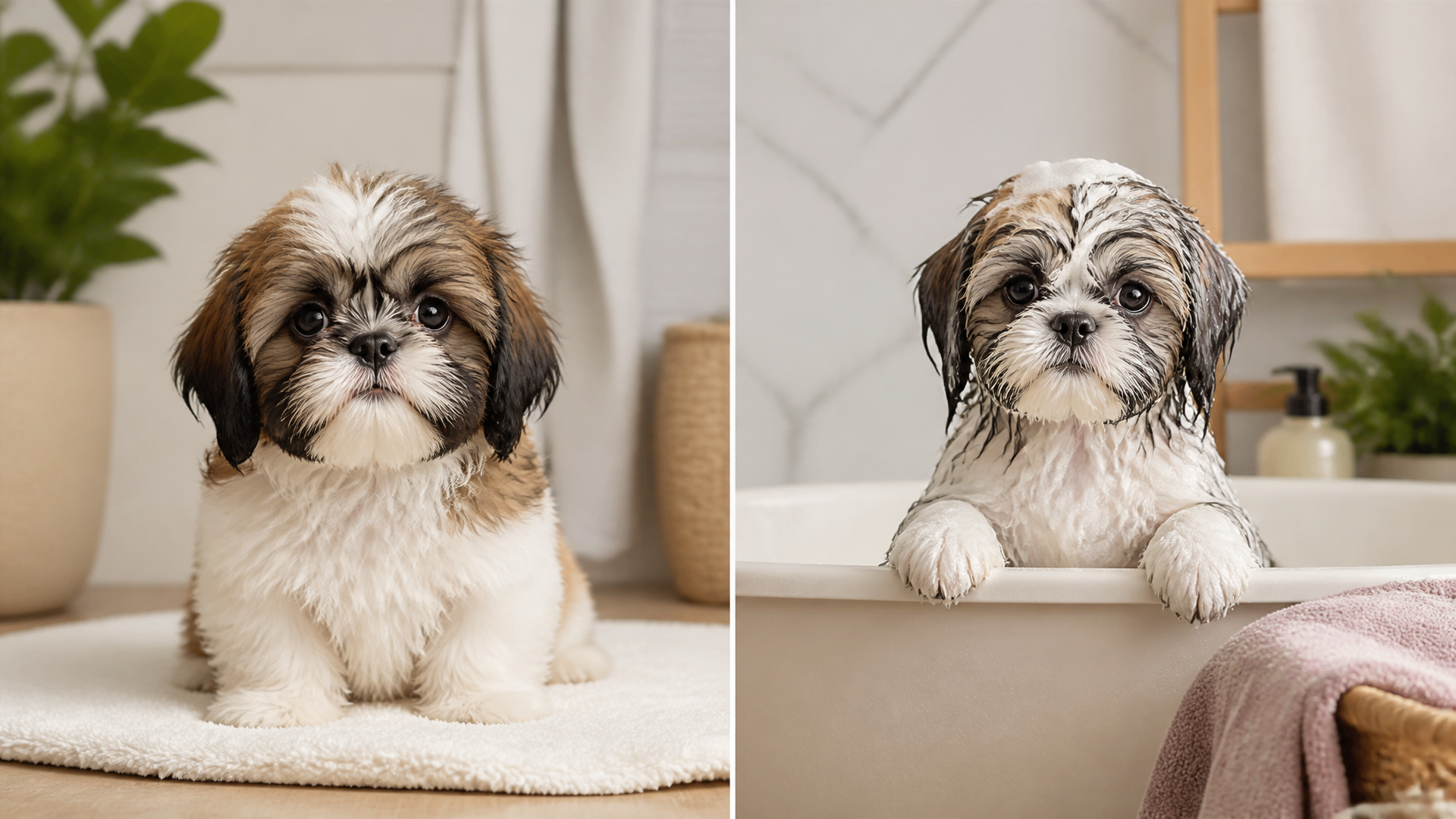
Your Shih Tzu puppy can have their first bath at 8 weeks old — but only after their first round of vaccines and at least one week for their immune system to settle. Bathe earlier and you risk chilling, stress, or infection. Always get your vet’s okay first, especially if your puppy came from a rescue or had delayed shots.

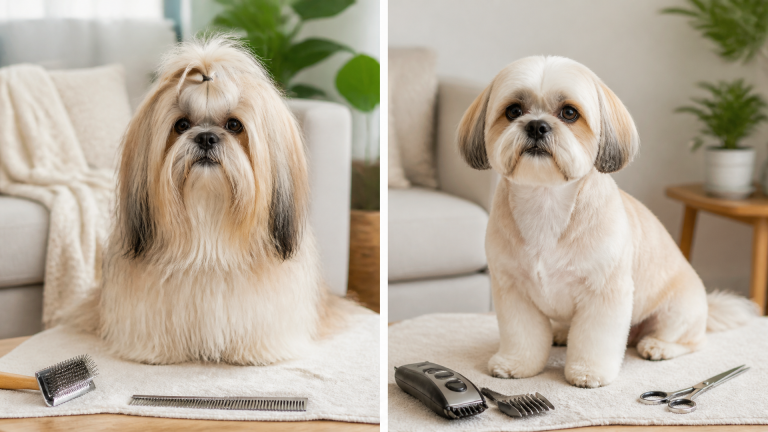
Shih Tzu puppies have a double coat that’s finer and more fragile than many other breeds. That means you can’t treat bath time like you would with a Labrador or a Beagle. The wrong timing, products, or technique can lead to mats, skin irritation, and a puppy who dreads water for life.
What You’ll Need Before the First Bath
Gathering the right tools ahead of time turns a stressful scrub into a calm routine. Shih Tzu coats mat easily, so every item on this list serves a purpose.
Puppy-specific shampoo – Look for a pH-balanced, tearless formula that’s fragrance-free. Avoid anything labeled “for adult dogs” or “natural” without puppy safety testing. Shih Tzu skin is sensitive, and the wrong shampoo strips natural oils fast.
Lightweight detangling conditioner – Shih Tzu hair is fine and prone to breakage. A conditioner that’s too heavy will weigh the coat down and trap moisture near the skin, which can lead to hot spots. Look for conditioners formulated for silky or long coats.
Non-slip bath mat – Without one, a nervous puppy will scramble to find footing, which increases stress and makes the bath harder for both of you. A simple rubber mat in the tub or sink gives them confidence.
Two towels – Microfiber towels work best. One for blotting, one for absorbing leftover moisture. Do not rub the coat — that tangles and frays the hair shafts.
Cotton balls – Place one in each ear to keep water out. Do not push them into the ear canal. Water trapped in a Shih Tzu’s ear can cause infections within hours.
Puppy-safe blow dryer – A human hair dryer on low heat works if you keep it moving at least 6 inches away. A forced-air dog dryer is faster, but start on the lowest speed and test it on your own arm first. Never use high heat on a puppy’s coat.
Never use human shampoo or dish soap. Even one wash with the wrong product can cause dry, flaky skin that leads to scratching and hot spots. Shih Tzu puppies are especially prone to skin sensitivities, so stick to products made specifically for puppies.
Step-by-Step Bathing Routine for a Shih Tzu Puppy
1. Brush First — No Exceptions
Tangled fur turns into rock-hard mats the second water hits it. Spend 3–5 minutes with a slicker brush and a wide-tooth comb, working from the skin outward. Focus behind the ears, under the legs, and around the collar — those are mat hotspots for Shih Tzu puppies.
Branch point: If you find mats that are tight against the skin (you can’t slide a comb under), stop brushing. Do not try to cut them with scissors. That mat will need a groomer or vet to shave safely. Skip the bath until those mats are handled — wetting will only tighten them further and could cause skin irritation or tearing.
2. Set the Water Temperature
Aim for lukewarm water around 100–102°F. Test on the inside of your wrist — if it feels warm, it’s too hot. Shih Tzu puppies lose body heat quickly because of their small size and coat type, so keep the bathroom warm and close doors and windows. A chilly puppy is a stressed puppy.
3. Wet and Lather Gently
Use a detachable spray nozzle or a plastic cup. Avoid spraying the face directly — most Shih Tzu puppies hate water on their head. Pour water over the back and let it run forward. Apply a quarter-sized dollop of shampoo, lather from neck to tail, and work through the coat with your fingers. Don’t scrub or rub vigorously — that tangles the hair and irritates the skin.
4. Rinse Thoroughly — Then Rinse Again
Leftover shampoo residue is a common cause of post-bath itchiness in Shih Tzu puppies. Rinse until water runs completely clear and you feel no slippery film on the coat. Run a wide-tooth comb through as you rinse to check for residue. This extra step takes 30 seconds and prevents hours of scratching later.
5. Condition and Rinse Again
Apply conditioner from mid-coat to tips — avoid the roots. Shih Tzu hair tangles easily at the ends, so this step is critical. Wait 1–2 minutes, then rinse fully. The coat should feel silky, not greasy. If it feels slippery, you haven’t rinsed enough.
6. Dry the Right Way
- Blot with a towel — do not rub. Rubbing tangles the coat, frays the hair shafts, and irritates the skin underneath.
- If using a blow dryer, hold it at least 6 inches away, keep moving, and use the lowest heat setting. Test on your forearm first. A Shih Tzu’s fine coat can burn faster than you’d expect.
- Important: Never let your puppy walk around damp. Moisture trapped near the skin in a Shih Tzu’s dense double coat can cause hot spots within hours. This is one of the most common reasons Shih Tzu puppies develop skin problems after a bath.
Verification step: After the coat feels dry to the touch, run a wide-tooth comb through the entire body. The comb should glide without snagging. Check the underbelly, armpits, and behind the ears — these areas hold moisture longest. If you feel dampness or resistance, dry those spots more. A fully dry, untangled coat means the bath is done safely.
7. Finish With a Treat and Praise
The last step isn’t about the coat — it’s about next time. Give your puppy a small training treat and calm praise immediately after the bath. This builds a positive association so future baths get easier. Shih Tzu puppies are sensitive and will remember if bath time was scary.
What About Between Baths?
Shih Tzu puppies don’t need weekly baths. Every 3 to 4 weeks is plenty for most puppies. Bathing more often strips natural oils and can make the coat brittle and dull.
Between baths, you can:
- Use a grooming wipe to spot-clean dirty paws, the face, and the sanitary area. Choose unscented wipes made for dogs.
- Brush daily — this removes dirt, distributes natural oils, and prevents mats from forming. A 3-minute daily brush is better than a 30-minute session before bath day.
- Try a dry shampoo formulated for dogs if your puppy gets smelly between baths. Spray on, brush through, and you’re done. Avoid powders that can dry out the skin.
Common Mistakes That Damage a Shih Tzu Puppy’s Coat
- Bathing too often – once every 3–4 weeks is enough. Weekly baths strip natural oils and make the coat brittle.
- Skipping the pre-bath brush – mats tighten when wet, and you’ll have to cut them out, leaving bare patches. This is the #1 mistake new Shih Tzu owners make.
- Not protecting the ears – water trapped in the ear canal causes infections. Use cotton balls and keep the head mostly dry. Shih Tzu ears are floppy, which traps moisture even more.
- Cold water or drafts – small puppies lose body heat fast. Keep the bathroom warm and close windows. A shivering puppy is a stressed puppy.
- Using the wrong products – human shampoo, dish soap, or adult dog shampoo will strip the coat and dry out the skin. Stick to puppy-specific, pH-balanced formulas.
When to Stop DIY and Call a Groomer or Vet
You can handle most Shih Tzu baths at home. But stop and get professional help if:
- Your puppy is excessively fearful – shaking, screaming, or frantically trying to escape. Forcing the bath makes future baths harder and risks injury. Some Shih Tzu puppies do better with a mobile groomer or a quiet salon.
- You notice red, irritated skin, flaking, or patchy hair loss – these could signal allergies, parasites, or infection. A vet should see the skin before any water touches it. Shih Tzu are prone to skin allergies, so don’t ignore early signs.
- The coat has severe matting close to the skin – do not attempt to cut mats with scissors. Shaving under sedation may be needed. A groomer who works with small breeds can assess whether the mats can be brushed out or need to be shaved.
- Your puppy is not fully vaccinated – a groomer’s facility may require proof of shots, and a vet should weigh in first. Don’t risk exposure at a salon.
Concrete escalate threshold: If after brushing you find mats so tight that you cannot slide a comb beneath them without causing your puppy to yelp or flinch, stop. Do not wet the coat. Call a groomer that specializes in small breeds and describe the matting. This is not a DIY fix.
Bathing Readiness Checklist (Pass/Fail)
Run through these checks before every bath. If any item fails, postpone the bath and address the issue first.
- Age and shots – Puppy is at least 8 weeks old and had first vaccines at least 1 week ago
- Health check – No signs of illness (vomiting, diarrhea, coughing, lethargy, runny eyes or nose)
- Coat condition – Fully brushed out with no mats tight against the skin
- Ear protection – Cotton balls placed in ears and head will stay mostly dry
- Environment check – Room temperature is warm, no drafts, water is lukewarm (100–102°F)
- Supplies within reach – Towels, shampoo, conditioner, and dryer are set out and ready
- Potty break – Puppy has gone to the bathroom in the last 30 minutes
- Extra hands – You have a helper available if your puppy is wiggly or nervous
Save This Guide
First baths are stressful, but the right timing and prep make all the difference. Start at 8 weeks (post-vaccines), never skip the pre-bath brush, and use only puppy-safe products. If you hit a mat you can’t comb out, stop and call a groomer. This checklist will help you keep your Shih Tzu’s coat soft, healthy, and mat-free for years.
Product links in this article are affiliate links. We may earn a small commission at no extra cost to you.