Are Bichon Frise Hypoallergenic: Warning Signs & What To Do
No dog is 100% hypoallergenic — including the Bichon Frise. This breed produces less airborne dander than heavy shedders, but it still makes the Can f 1 protein in its saliva, dander, and urine. If you’re allergic, you may still react.

The real question: Can you manage the symptoms well enough to live comfortably with a Bichon? This guide covers the warning signs that point to your dog, the steps that actually reduce allergens, and the hard limits you shouldn’t ignore.
What “Hypoallergenic” Actually Means for a Bichon Frise
The term “hypoallergenic” is a marketing label, not a medical guarantee. The protein that triggers most dog allergies — Can f 1 — is found in saliva, dander (dead skin flakes), and urine. Bichons have a continuously growing double coat that sheds very little, so less dander floats into the air compared to a Labrador Retriever. But the allergen is still produced every day.
Two misconceptions that backfire:
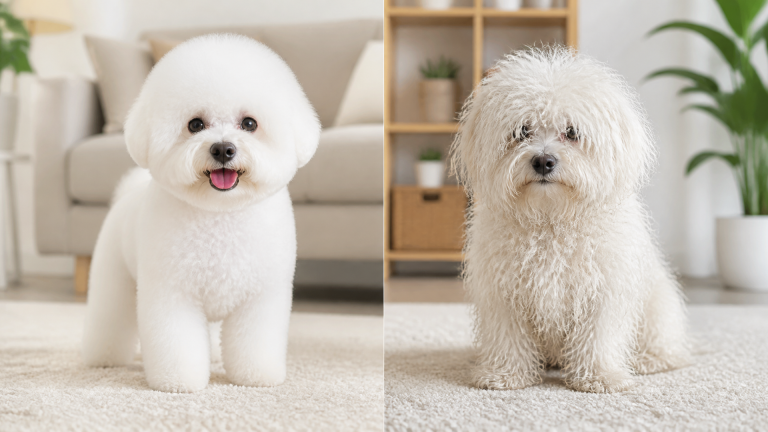
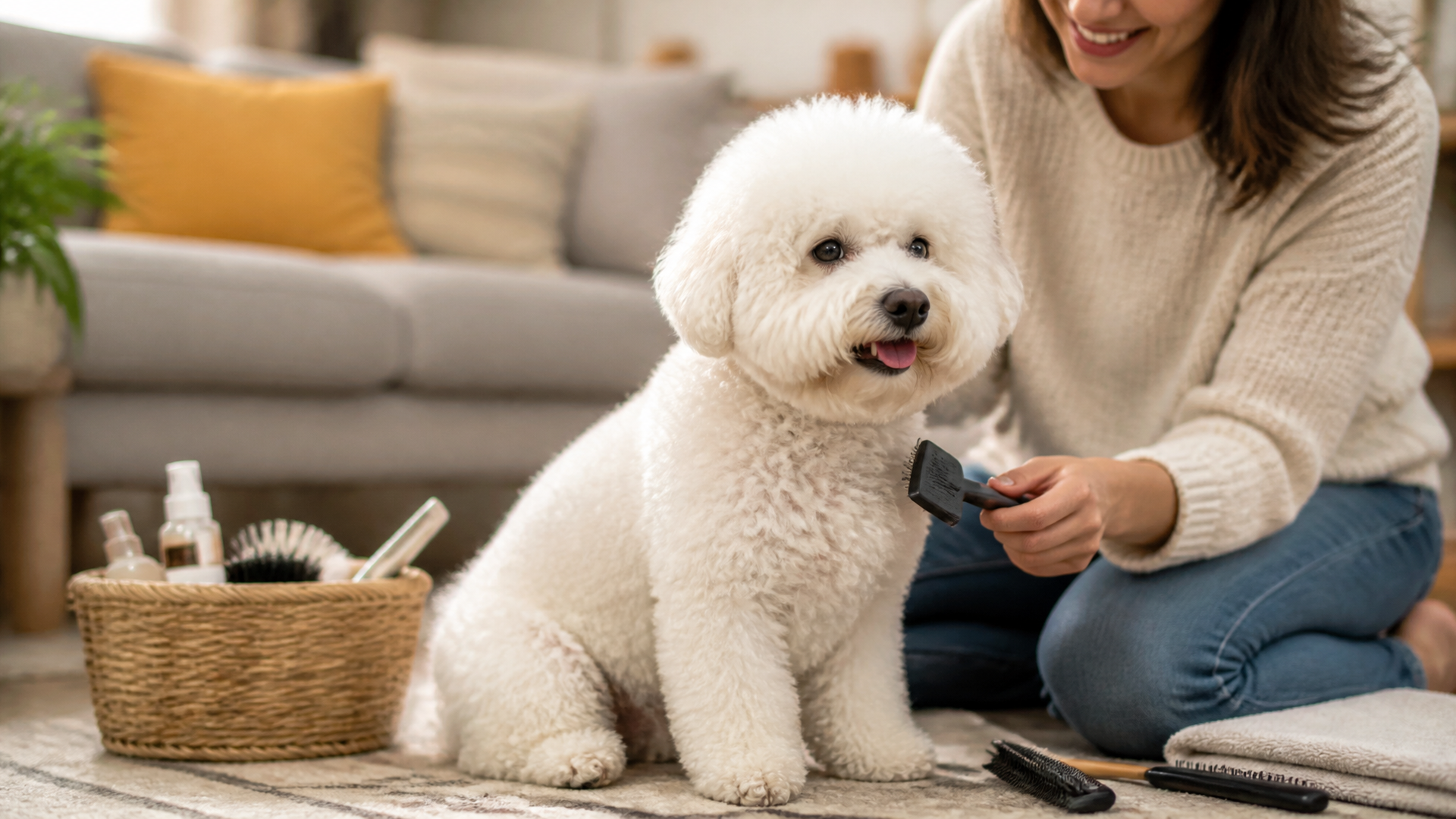
- “It doesn’t shed, so I’m safe.” Dander is produced regardless. Daily brushing and professional grooming (every 4–6 weeks) kick that dander into the air. A neglected coat traps allergens, making them harder to remove.
- “I was fine at the breeder for an hour.” Allergen buildup is cumulative. A one-hour visit doesn’t replicate living with the dog 24/7. Reactions often appear after 1–3 weeks of exposure in your home.
Breed-specific detail to know: Intact male Bichons produce more Can f 1 protein than neutered males or females. If you’re trying a Bichon, ask about the dog’s sex and neuter status. Spaying or neutering around 6–12 months can reduce allergen output. Also, Bichons are prone to skin infections and hot spots — when their skin flares up, dander production spikes noticeably.
Warning Signs Your Allergy Is Actually Your Bichon
It’s easy to blame pollen or dust. Keep a symptom diary for one week — note the time, your symptoms, and how close you were to the Bichon. Here are the patterns that point to your dog:
- Itchy, watery eyes or sneezing within 30 minutes of cuddling, grooming, or being in the same closed room.
- Hives or red bumps on skin that touched the dog — face, forearms, neck. Bichon owners often notice this on their forearms after a grooming session.
- Asthma-like symptoms: coughing, wheezing, chest tightness that gets worse in rooms where the Bichon spends the most time.
- Symptoms that clear up when you’re away from home for more than 24 hours.
BLOCKQUOTE_0
Expert tip: A common mistake is assuming your symptoms are “just seasonal allergies” because the dog doesn’t shed. Try this verification step: Sleep in a room the Bichon never enters for three consecutive nights. If your morning congestion or sneezing improves significantly, the dog is the likely cause.
Expert tip #2: During grooming, wear a mask (an N95 or KN95 works well) and groom outdoors or in a well-ventilated area. A common mistake is grooming inside a small bathroom — that concentrates dander and makes symptoms worse. Many Bichon owners report this single change cuts their reaction by half.
Expert tip #3: If you suspect your Bichon’s skin condition is making your allergies worse, check for red, greasy patches or a yeasty smell between the paw pads or in the ear flaps. These are signs of a yeast or bacterial infection. Treat the skin first with a vet-prescribed medicated shampoo or topical treatment, then reassess your allergy symptoms. A common mistake is bathing more frequently to “fix” the allergy without addressing the underlying skin infection.
How to Reduce Allergens in Your Home: A 5-Item Decision Aid
Run through this checklist. Each item is a concrete action you can try. Mark which ones you’ve done and note if symptoms improve.
1. HEPA air purifier in the bedroom — run it 24/7, sized for the room’s square footage. A Winix 5500-2 or Honeywell HPA300 can cut airborne dander by over 50%. Place it in the room where you sleep, not in the living room where the dog spends most of its time.
2. Wash all dog bedding and blankets weekly in hot water at 140°F or higher. This removes saliva, dander, and dust mites. Bichons love soft, plush beds — wash those covers weekly, not monthly.
3. Vacuum twice a week with a HEPA-filter vacuum. Skip bagless models that blow allergens back out. Replace filters on schedule. A Miele or Shark with sealed HEPA filtration works well for Bichon households.
4. Bathe the Bichon every 2–4 weeks using a gentle, hypoallergenic shampoo. Watch for over-bathing: doing it weekly strips natural oils, leads to dry skin, and increases dander production. Use a conditioner designed for white coats to keep the skin barrier healthy.
5. Designate a dog-free zone — at least the bedroom. This gives your immune system a 7–8 hour break while you sleep. Close the door and use a draft stopper at the bottom to keep dander from drifting in.
Realistic trade-off: Even with all five steps, you may still have mild symptoms. HEPA filters need proper sizing — a unit too small for a large room won’t keep up. Grooming costs ($50–$90 per session every 4–6 weeks) add up. If the Bichon develops skin infections or hot spots, dander increases. In that case, manage the skin condition first before assuming the breed is unmanageable.
When Management Isn’t Enough
Some owners can reduce symptoms to a livable level. Others can’t. Here’s when you should escalate:
- Your asthma symptoms worsen despite consistent HEPA filtration, bathing, and dog-free zones.
- You or a family member develop sinus infections or bronchitis linked to dog exposure.
- The Bichon has chronic skin issues (hot spots, yeast infections) that spike dander production.
- You cannot sustain the cleaning, grooming, and maintenance routine long-term.
Verification step before rehoming: Visit an allergist for a skin prick test or blood test specifically for dog dander. It’s possible the real trigger is dust mites or mold that happens to coincide with the dog’s presence. If it is dog allergy, ask about immunotherapy (allergy shots) — they work for many people and take 6–12 months to build tolerance. Many insurance plans cover allergy shots, making them more affordable than you might expect.
Expert tip: A common mistake is assuming a smaller dog will be “different.” Allergens come from saliva and skin proteins, not size. A Bichon puppy can trigger the same reaction as an adult. If you’re already reacting, the size of the dog doesn’t change the protein concentration.
Another option to discuss with your allergist: Sublingual immunotherapy (under-the-tongue drops or tablets) is an alternative to shots. It’s less invasive, can be done at home, and works for many people. Ask your allergist if this is an option for dog dander specifically.
FAQ: Bichon Frise Allergies – Quick Answers
Q: Can I be allergic to a Bichon Frise but not to other dogs?
A: Yes. The specific protein profile in saliva and dander varies by breed and individual dog. You might react to one Bichon and tolerate another. That’s why spending time with the actual dog you plan to adopt is essential.
Q: Does shaving a Bichon make it more hypoallergenic?
A: No. Shaving removes the coat that traps loose dander, often making symptoms worse. It also damages coat regrowth over time, leading to patchy texture and increased matting.
Q: How long should I test a Bichon before deciding?
A: Spend at least 2–3 days with the dog in your home. Allergen buildup takes 1–3 weeks, so a short visit isn’t reliable. If possible, arrange a foster-to-adopt trial through a rescue organization.
Q: Are male or female Bichons less allergenic?
A: Neutered males and females produce less Can f 1 than intact males. If you’re sensitive, choose a neutered male or a female. Ask the breeder or rescue for the dog’s neuter status before committing.
Q: Can I reduce allergens by feeding my Bichon a special diet?
A: There is no evidence that diet changes reduce Can f 1 production. However, a high-quality diet with omega-3 fatty acids can improve skin health, which may indirectly reduce dander from dry or flaky skin. Consult your vet before changing food.
Key takeaway: Bichon Frises are not hypoallergenic, but with consistent grooming, a HEPA purifier, a dog-free bedroom, and an allergist test for confirmation, most owners can manage mild to moderate allergies. If asthma, infections, or high maintenance costs become overwhelming, immunotherapy or rehoming may be the last-resort answer. Pin this page to return to the checklist and warning signs whenever you need them.