Shitzu Vegetable Diet: Daily Routine & Expert Tips
Yes, Shih Tzus can eat vegetables — and many benefit from a small daily serving. The key is choosing safe, low‑oxalate veggies and preparing them correctly. Start with steamed carrots, green beans, or zucchini, and keep vegetables to no more than 10% of your Shih Tzu’s total daily calories. This guide gives you the exact daily routine, portion sizes, and which veggies are worth adding.

The Right Vegetables for Shih Tzus
Shih Tzus have small mouths, flat faces, and are prone to dental tartar and sensitive stomachs. Not every vegetable from your fridge is a good fit.
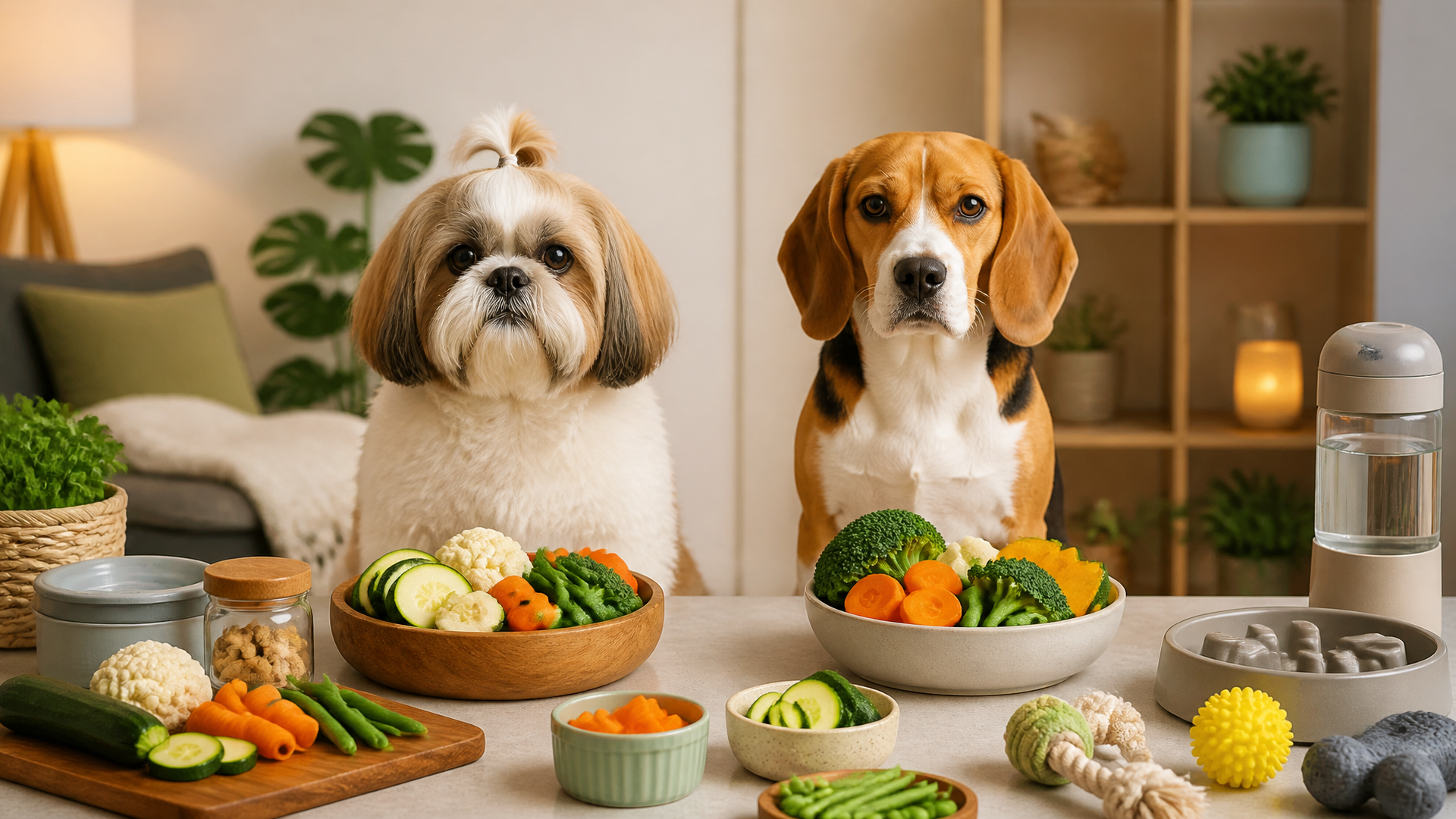
Safe choices (steamed or boiled, no seasoning):
- Carrots (grated or soft‑cooked) – excellent for dental health
- Green beans (chopped) – low‑calorie filler for weight management
- Zucchini (diced) – gentle on digestion
- Pumpkin (plain canned, not pie filling) – helps with loose stool
- Sweet potato (baked, skin removed) – vitamin A boost
- Peas (fresh or frozen, thawed) – small and easy to eat
Avoid these vegetables for Shih Tzus:
- Onions, garlic, leeks – toxic to dogs
- Raw potatoes – contain solanine
- Corn on the cob – choking hazard and indigestible kernels
- Mushrooms – store‑bought are okay in tiny amounts, but wild ones are dangerous
- High‑oxalate greens (spinach, Swiss chard) – can contribute to bladder stones, which Shih Tzus are already prone to
Product tip: [Affiliate Disclosure: This article includes product recommendations that may earn us a commission at no extra cost to you.] A simple vegetable steamer basket (like the OXO Good Grips Steamer) makes prep fast and even. Or try freeze‑dried vegetable toppers such as The Honest Kitchen Daily Boosters – they’re already safe for Shih Tzus and portioned.
Daily Vegetable Feeding Routine
The best way to add vegetables is to weave them into your existing meal schedule. Here’s a sample routine for a 10‑lb adult Shih Tzu.
Morning meal (7:00 AM)
- 1/4 cup high‑quality kibble (approx. 100–120 calories)
- 1 tablespoon steamed carrots, finely grated or mashed
Midday treat (12:00 PM)
- 3–4 pieces of frozen green bean or a single freeze‑dried pea pod
Evening meal (6:00 PM)
- 1/4 cup kibble
- 1 tablespoon canned pumpkin (not pie mix) or steamed zucchini
Before bed (9:00 PM)
- No food – let digestion settle overnight
Operator Flow – Introducing Vegetables for the First Time
1. Pick one vegetable – start with carrot or pumpkin (gentlest on Shih Tzu stomachs).
2. Cook until soft – steaming or boiling until fork‑tender. Shih Tzus cannot chew raw, hard veggies well.
3. Mash or dice – pieces should be no larger than a pea to avoid choking.
4. Mix into regular food – start with 1 teaspoon per meal.
5. Wait 48 hours – check for loose stool, gas, or refusal to eat.
Branch — what to do based on what you see after 48 hours:
- Normal stool, no gas → increase by 1 teaspoon every 3–4 days until you reach the recommended amount for your dog’s weight.
- Loose stool but no vomiting or lethargy → cut the portion in half and continue for another 48 hours. If stool firms up, your Shih Tzu can tolerate that vegetable in smaller amounts. If loose stool continues despite the reduction, remove that vegetable entirely and try a different safe option next week.
- Firm stool but excessive gas or gurgling stomach → switch to a different vegetable. Some Shih Tzus struggle with cruciferous veggies (broccoli, cauliflower) but handle root vegetables fine.
- Vomiting or bloody stool → stop all vegetables immediately and call your vet. Do not reintroduce any vegetable until the vet gives the all-clear.
Success check — how to confirm the vegetable works: After your Shih Tzu has eaten the full serving size for three consecutive days, verify that:
- Stool is formed and firm (not soft or runny)
- Energy levels are normal (no lethargy)
- No excessive gas, stomach gurgling, or discomfort
- Your dog still eats their regular kibble willingly
If all four checks pass, that vegetable is safe for long-term feeding. If any check fails, go back to the branch above and adjust.
Decision checkpoint: If your Shih Tzu is under 6 months old, skip vegetables entirely except for pumpkin (only for diarrhea) – their digestive system is still developing. For seniors (8+ years) with kidney issues, avoid high‑potassium vegetables like sweet potato and spinach.
How Much Vegetable Matter? A Feeding Chart
Use your Shih Tzu’s ideal weight, not their current weight if they’re overweight. Vegetables should never replace balanced dog food – they are supplements.
| Shih Tzu Weight | Daily Vegetable Serving (total) | Example Split | Max Calories from Veggies |
|---|---|---|---|
| 5–8 lb | 1–2 tablespoons | 1 tbsp morning + 1 tbsp evening | 5–10 kcal |
| 9–13 lb | 2–3 tablespoons | 1 tbsp per meal + treat | 10–15 kcal |
| 14–18 lb | 3–4 tablespoons | 1.5 tbsp per meal + treat | 15–20 kcal |
Note: Vegetable calorie counts are approximate. Adjust based on your dog’s activity level and weight trends. If your Shih Tzu starts gaining weight, cut vegetable portions in half.
Quick rule of thumb: Vegetables should be no more than 10% of daily calories. For a 10‑lb Shih Tzu eating 200 calories per day, that’s 20 calories from veggies – roughly 3 tablespoons of steamed carrot.
Common Vegetable Mistakes to Avoid
Shih Tzu owners often make these errors when starting a vegetable diet. Run through this checklist to keep your dog safe and happy.
Shih Tzu Vegetable Diet Decision Aid
Check each item before you feed:
- [ ] Vegetable is on the safe list (no onions, garlic, or raw potato)
- [ ] It’s cooked until soft – raw veggies are a choking hazard for flat‑faced breeds
- [ ] Cut into pieces smaller than a pea – brachycephalic dogs struggle with large chunks
- [ ] No salt, butter, oil, or seasoning – Shih Tzus have sensitive kidneys and stomachs
- [ ] Total vegetable serving falls within the chart limits – overfeeding leads to loose stool or weight gain
If you check “no” on any item, fix it before offering the vegetable.
When to Skip the Veggies and Call the Vet
Vegetables are generally safe, but Shih Tzus have specific health quirks that can turn a good habit into a problem.
Watch for these signs:
- Sudden diarrhea – especially if you added a new vegetable. Remove it and feed plain boiled chicken and white rice for 24 hours. If diarrhea continues beyond 48 hours, call your vet.
- Bloating or gas – some Shih Tzus cannot handle cruciferous veggies like broccoli or cauliflower. Eliminate those and stick to root vegetables.
- Loss of appetite – if your dog stops eating kibble after adding veggies, you may be overloading the meal. Go back to a plain kibble meal for a few days, then reintroduce vegetables in tiny amounts.
- Frequent urination or straining – high‑oxalate greens can contribute to bladder stones in Shih Tzus. If you see blood in urine or straining, stop all vegetables and schedule a vet visit.
Escalation signal: If your Shih Tzu vomits after eating vegetables, skip veggies for one week, then try a single safe option (e.g., pumpkin) in a much smaller serving. If vomiting repeats, avoid vegetables altogether – some Shih Tzus have individual intolerances.
Recommended Products for Easy Veggie Prep
Making vegetables part of your Shih Tzu’s diet doesn’t have to be time‑consuming. These tools and treats simplify the job:
- Steamer basket – OXO Good Grips Collapsible Steamer ($15–20). Quick, even cooking.
- Mini food chopper – Cuisinart Mini Prep Plus ($30–40). Pulverizes cooked veggies into a soft paste perfect for Shih Tzu mouths.
- Freeze‑dried vegetable toppers – The Honest Kitchen Daily Boosters ($12–15). Just sprinkle over food – no prep.
- Canned pumpkin (100% pure) – Libby’s 100% Pure Pumpkin ($3–4). Always keep a can on hand for upset tummies.
- Silicone ice cube trays – portion steamed and pureed vegetables, freeze, and pop out one cube per meal.
Save This Guide
Key takeaway: Shih Tzus thrive on a small, safe vegetable portion (10% of daily calories) introduced slowly and cooked soft. Stick to carrots, green beans, pumpkin, zucchini, and sweet potato – skip spinach and onions. Use the feeding chart by weight, run the five‑item decision aid before every meal, and always call your vet if digestion goes south. This guide covers the complete daily routine, portion sizes, and expert tips for keeping your Shih Tzu healthy with vegetables.