Lhasa Apso Life Expectancy
A healthy Lhasa Apso typically lives 12 to 15 years, with many reaching 16 or even 18 years with proper care. That’s a decade and a half of loyal companionship — longer than most breeds their size. The secret? Their hardy Tibetan mountain heritage gives them a genetic edge over many other small breeds, but what you do as an owner matters just as much.

What Actually Limits Their Years
Most people assume small dogs live long lives and that’s the end of the story. But Lhasa Apsos have a specific health profile that makes some years better than others. Here’s what actually moves the needle.
The Counter-Intuitive Truth About Their “Flat Face”
Lhasa Apsos are brachycephalic (short-muzzled), which puts them at risk for breathing issues, overheating, and eye problems. But here’s what most articles skip: Lhasa Apsos handle heat and altitude better than other flat-faced breeds like French Bulldogs or Pugs. Their slightly longer muzzle and thicker coat provide real protection. The risk isn’t zero — you still need to watch for overheating — but the breed’s Tibetan roots mean they’re tougher than they look.
Health Conditions That Shorten Life
These are the problems that actually reduce years off a Lhasa Apso’s life:
| Condition | What It Does | How Common | What You Can Do |
|---|---|---|---|
| Kidney disease (renal dysplasia) | Gradual kidney failure starting young | Higher than average in the breed | Annual urine tests starting at age 2 |
| Hip dysplasia | Joint pain and mobility loss | Moderate | Maintain lean weight, joint supplements from age 5 |
| Eye issues (cataracts, glaucoma, progressive retinal atrophy) | Vision loss, sometimes painful | Common in older dogs | Yearly ophthalmologist exams |
| Patellar luxation | Kneecap pops out, causes limping | Common | Keep dog lean, avoid jumping off furniture |
When the 12–15 year estimate doesn’t apply: If your Lhasa Apso comes from a breeder who does not screen for renal dysplasia, or if you adopted an adult with unknown health history, the lower end (10–12 years) is more realistic. Dogs from health-tested lines often push 16–18 years. Know your dog’s background to set accurate expectations.
3 Breed-Specific Moves That Add Healthy Years
Most owners focus on food and vet visits. These three moves make a measurable difference for this specific breed.
Tip 1: Protect the Eyes Before You See a Problem
Actionable step: Wipe your Lhasa’s face daily with a soft, damp cloth, focusing on the eye corners. Use a pet-safe eye wipe or plain warm water.
Common mistake: Waiting until eyes look red or runny. By then, pigment changes or early glaucoma may already be underway. Lhasa Apsos have prominent eyes with shallow sockets — debris builds up fast and triggers chronic irritation that shortens quality years.
Product to consider: A gentle pet eye wipe like Vetericyn Plus Antimicrobial Pet Eye Wash or a soft microfiber grooming cloth.
Tip 2: Feed for Kidney Health Starting Early
Actionable step: Choose a dog food with moderate protein (24–28% on a dry matter basis) and controlled phosphorus. Avoid high-protein “performance” diets unless your vet specifically recommends them.
Common mistake: Feeding a “grain-free” or raw diet without checking kidney impact. Lhasa Apsos are prone to renal dysplasia, and high-phosphorus diets accelerate kidney damage. A grain-inclusive diet from a brand like Royal Canin Small Breed or Hill’s Science Diet Small & Toy Breed is often safer.
Verification step: At your next vet visit, request a urine protein:creatinine ratio (UPC) test. This catches kidney disease one to two years earlier than standard blood panels. Ask for it specifically — it’s not part of a routine wellness panel.
Tip 3: Keep the Coat Short in Summer (Yes, Really)
Actionable step: Give your Lhasa a short “puppy cut” (about 1 inch of coat length) during hot months. This isn’t just about grooming — it prevents heatstroke.
Common mistake: Thinking a long coat “insulates” from heat. For Lhasa Apsos with their flat face and thick double coat, a full long coat in summer can cause dangerous overheating. A short cut lets them actually enjoy walks and play, keeping them active and healthy year-round.
How to Perform a Weekly Health Check on Your Lhasa Apso
This five-minute check catches problems early. Do it every Sunday before their walk.
Step 1: Eye inspection – Look for squinting, cloudiness, or discharge. Gently lift the chin and check the lower eyelid for redness. If your dog blinks excessively or paws at their face, schedule a vet visit that day.
Step 2: Mouth and teeth – Lift the lips. Check for brown tartar, red gums, or loose teeth. Bad breath that smells like rotting meat signals dental infection. Lhasa Apsos develop dental disease faster than many breeds.
Step 3: Coat and skin – Run your hands over the entire body, pressing gently. Feel for mats (especially behind ears, armpits, and tail), lumps, scabs, or hot spots. Mats can restrict blood flow and cause painful skin infections.
Step 4: Legs and paws – Pick up each paw. Check for cracked pads, swelling between toes, or nail overgrowth. Gently extend each hind leg — if your dog yelps or pulls away, patellar luxation could be the cause.
Step 5: Weight check – Stand on a scale holding your dog, then subtract your own weight. Write it down. A gain of half a pound on a 15-pound dog is noticeable and matters.
Success signal: No squinting, no limping, no lumps, and weight stays within 0.5 lb of last reading.
Escalation threshold: Any limping lasting more than 24 hours, squinting that doesn’t resolve after eye wiping, or a lump that feels hard or grows over a week — call your vet.
Daily and Weekly Checklist for a Long, Healthy Life
Save this. Stick it on your fridge.
Every Day
- Wipe eyes and face with damp cloth
- Check for discharge, redness, or squinting
- Provide fresh water — Lhasa Apsos don’t always drink enough
- Short walk or play session (20–30 minutes)
- Quick body scan for lumps, limping, or tender spots
Every Week
- Brush coat thoroughly (3–4 times per week minimum)
- Check ears for redness or smell
- Trim nails or file down
- Weigh your dog — small weight gain is easy to miss on a fluffy breed
- Brush teeth (3+ times per week ideally)
Every Year
- Vet wellness exam with blood work
- Urine test to check kidney function (request UPC test)
- Eye exam (board-certified veterinary ophthalmologist if possible)
- Dental cleaning under anesthesia (most Lhasas need this by age 3–4)
When to Call the Vet — Warning Signs
Don’t “wait and see” with these symptoms. Lhasa Apsos are stoic and hide pain well. By the time you notice, the problem is often advanced.
- Squinting or pawing at eyes — Could be a corneal ulcer or glaucoma; needs treatment within hours
- Drinking more water than usual — Early sign of kidney disease
- Limping that lasts more than 24 hours — Patellar luxation or hip dysplasia
- Coughing, gagging, or noisy breathing — Could indicate collapsing trachea or heart disease
- Sudden weight gain or loss — Both are serious in a small breed
How Lhasa Apsos Compare to Other Small Breeds
| Breed | Average Lifespan | Common Health Risks | Exercise Needs |
|---|---|---|---|
| Lhasa Apso | 12–15 years | Kidney disease, eye issues, hip dysplasia | Moderate (20–30 min/day) |
| Shih Tzu | 10–16 years | Brachycephalic syndrome, dental disease | Low to moderate |
| Poodle (Toy) | 14–18 years | Luxating patella, dental issues | Moderate |
| Pomeranian | 12–16 years | Collapsing trachea, luxating patella | Low to moderate |
| Chihuahua | 12–20 years | Heart disease, dental issues, patellar luxation | Low |
What this means for you: Lhasa Apsos have fewer dental emergencies than Shih Tzus and fewer breathing emergencies than French Bulldogs, but kidney disease is a bigger concern than in most other small breeds. Your vet should focus on annual urine screening, not just blood work.
Feeding Guidelines for a Longer Life
Lhasa Apsos gain weight easily, and extra pounds directly reduce lifespan. A 15-pound Lhasa should eat about ½ to ¾ cup of high-quality dry food per day, split into two meals.
- Puppy (up to 12 months): Small breed puppy formula, 3 meals per day until 6 months, then 2 meals
- Adult (1–7 years): High-quality small breed adult formula, 2 meals per day
- Senior (8+ years): Senior small breed formula with joint support and adjusted phosphorus for kidney health
Treat rule: No more than 10% of daily calories. Lhasa Apsos are treat-motivated and will convince you they’re starving. They aren’t.
Concrete verification step for food: Check the guaranteed analysis on the bag. Phosphorus should be below 1.0% on a dry matter basis for adult maintenance, and below 0.6% for seniors or dogs with early kidney concerns. If the bag doesn’t list dry matter percentages, call the manufacturer or use an online calculator.
Grooming as Health Maintenance
Grooming isn’t just about looks. For a Lhasa Apso, it’s medical maintenance.
- Mats restrict blood flow and can cause painful skin infections — that’s a vet visit you didn’t need
- Tear stains that aren’t cleaned can lead to bacterial infections under the eyes
- Ear hair plucking prevents chronic ear infections that can cause hearing loss later in life
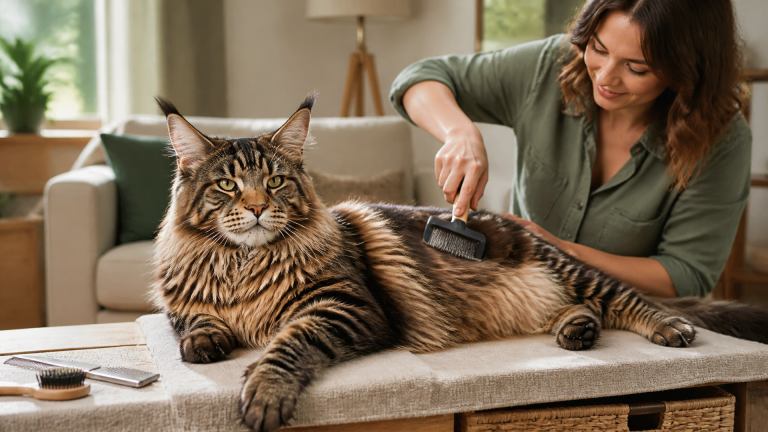
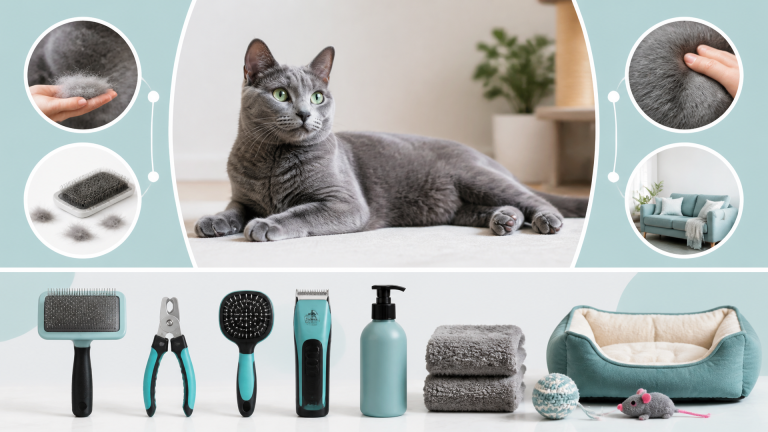
Minimum grooming schedule: Brush 3 times per week, professional groomer every 4–6 weeks, or learn to do a short clip yourself.
Products that help: A slicker brush (like the Hertzko Self-Cleaning Slicker Brush) reaches the dense undercoat, and a metal comb catches mats the brush misses. For tear stains, try Angel Eyes Soft Chews or a stainless steel water bowl (plastic bowls harbor bacteria that worsen stains).
Save This Guide
Lhasa Apsos live 12 to 15 years on average, but many hit 16 or beyond with the right care. The two biggest levers you control are kidney health (choose the right food, test urine yearly with a UPC test) and eye care (daily cleaning, annual specialist exams). Skip the high-protein diets, keep them lean, and don’t ignore squinting or increased thirst.
One-sentence takeaway: A Lhasa Apso’s lifespan isn’t just about luck — it’s about catching kidney issues early, protecting those beautiful eyes, and keeping them at a healthy weight every single year.
This guide contains affiliate links. We may earn a small commission if you purchase through them, at no extra cost to you. All product recommendations are based on breed-specific needs.