is 14 Year Old Bichon Frise Old
Disclosure: Some links in this guide are affiliate links. We may earn a commission if you purchase through them, at no extra cost to you.

Yes, 14 is old for a Bichon Frise. Most Bichons live 12 to 15 years, so a 14-year-old is squarely in senior territory. But “old” doesn’t mean your dog is shutting down. With the right adjustments to diet, exercise, and home setup, many 14-year-old Bichons stay bright-eyed, mobile, and snuggly for another year or two.
Your job now is to shift from general maintenance to proactive senior care. Every decision you make about food, vet visits, and home safety directly affects how comfortable these final years are.
One thing that changes the answer: If your Bichon has been healthy its whole life and you’ve caught age-related issues early, 14 may feel closer to “middle aged for this breed.” But if your dog has chronic conditions like kidney disease, heart murmur, or advanced arthritis, 14 is functionally very old, and you need to prioritize comfort and quality of life. The same age can mean different things depending on your dog’s health history.
What a 14-Year-Old Bichon Typically Shows
Not all senior Bichons show every sign, but here’s what’s common at 14:
- Coat thins and dries out – The fluffy white coat loses density; skin gets more sensitive.
- Mobility slows – Arthritis or general stiffness makes jumping up or using stairs harder.
- Hearing and vision drop – Cataracts and deafness are common. Your dog may startle easily.
- Dental problems worsen – Tartar, loose teeth, and bad breath become harder to ignore.
- Tear stains darken – Reduced tear drainage leads to rusty-brown marks under the eyes.
- Sleep patterns change – More daytime sleep, restless pacing at night (sometimes called sundowning).
- Cognitive decline – Confusion, forgetting house training, getting stuck in corners, or staring at walls.
What to do now: Don’t just “be more careful.” Make specific changes. Switch to a senior-formula diet. Add joint supplements. Buy an orthopedic bed. Wipe tear stains daily. And if you notice pacing or confusion at night, talk to your vet about supplements for cognitive health.
Senior Care Adjustments That Actually Help
These five areas make the biggest difference for a 14-year-old Bichon.
Diet & Nutrition
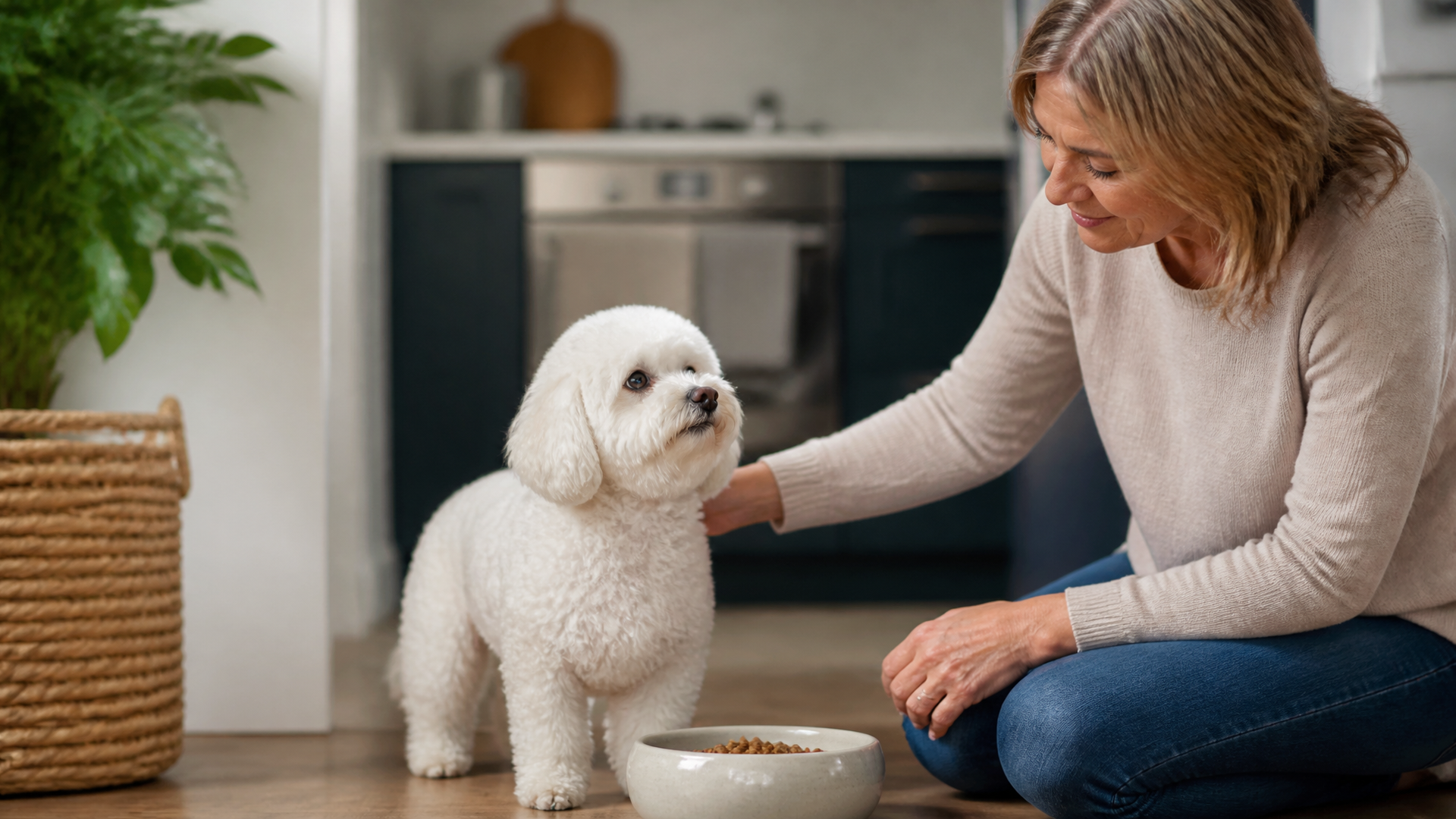
Switch to a high-quality senior dog food such as Hill’s Science Diet Senior 11+, Royal Canin Aging 12+, or Purina Pro Plan Bright Mind. Look for formulas with glucosamine, chondroitin, lower phosphorus, and added omega-3s.
- Transition slowly – Mix old and new food over 7–10 days. A sudden switch can upset a senior’s stomach.
- Watch weight – Weigh your Bichon monthly. A 10–15 lb dog that gains 1 lb has added 10% body fat. That extra weight stresses joints and organs.
- Low-calorie treats – Swap high-calorie biscuits for green beans, frozen blueberries, or freeze-dried liver pieces.
Exercise & Mobility
Keep walks short (10–15 minutes) but frequent – 2–3 times a day is better than one long walk. Avoid steep stairs and slippery floors.
- Use ramps or steps – For furniture and car access. Ramps reduce joint strain.
- Add joint supplements – Start a vet-recommended glucosamine/chondroitin/omega-3 supplement before stiffness limits activity. Waiting until your dog can’t jump is far less effective.
- Mistake to avoid – Don’t stop exercising entirely. Immobility speeds muscle loss and worsens arthritis. Switch to gentle sniffing games or slow leash walks instead.
Grooming
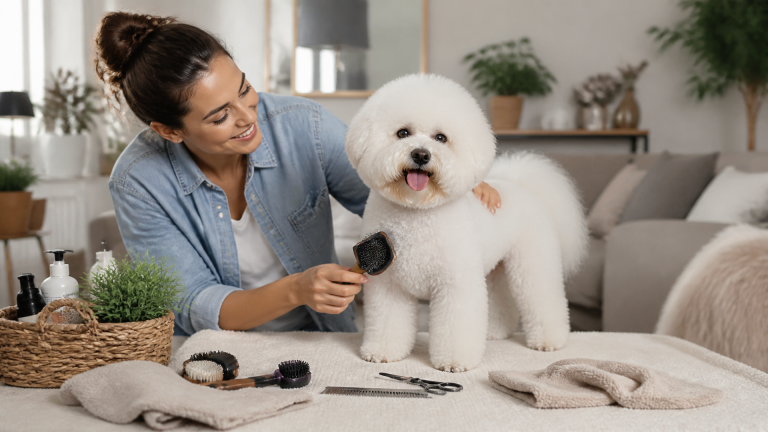
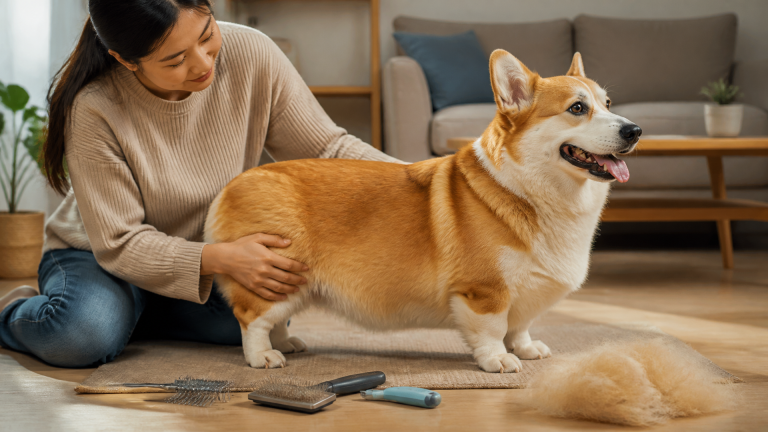
Senior Bichons have more sensitive skin and thinner coats. Use a soft slicker brush every other day and a detangling spray for mats near ears and tail. Avoid tugging.
- Daily skin fold checks – Look under eyes, around the mouth, and under legs for redness or infection. Wipe tear stains with a soft, damp cloth or vet-approved eye wipe.
- Professional grooming every 4–6 weeks – Tell the groomer your dog is senior so they adjust handling. If your Bichon shows pain during at-home brushing, stop and let a pro handle it.
- Bathing – Use a moisturizing oatmeal shampoo for seniors every 3–4 weeks. More frequent baths dry out the skin.
Vet Visits
Schedule a full senior wellness exam every 6 months, not yearly. Blood work, urine analysis, and a dental check should be part of each visit. Many Bichons develop heart murmurs or kidney issues that are easier to manage when caught early.
Verification step: To confirm your 14-year-old Bichon is aging well, ask your vet to run a senior blood panel including thyroid (T4), kidney values (BUN, creatinine), and liver enzymes. Also request a blood pressure check and a dental evaluation. If results are within normal ranges, your dog’s biological age may be lower than the calendar age.
Home Environment
- Raised food bowls – Reduces neck and back strain while eating.
- Orthopedic bed – Memory foam with a washable cover. Place it in a warm, draft-free spot.
- Nightlights – Use a dim nightlight in hallways and near the bed if your Bichon wanders at night. Poor vision makes darkness disorienting.
- Non-slip surfaces – Add rugs or yoga mats on tile or hardwood floors to prevent slips.
3 Expert Tips for Your 14-Year-Old Bichon
Tip 1: Start joint supplements early, not after problems show up
Actionable step: Add a glucosamine/chondroitin/omega-3 chew to your Bichon’s morning meal. Brands like Cosequin, Dasuquin, or Zesty Paws Senior Bites are common options. Always check with your vet first.
Common mistake: Waiting until stiffness is obvious. Joint supplements support healthy cartilage – they don’t rebuild it once it’s gone. Start today even if your dog still jumps on the couch.
Tip 2: Monitor weight down to the half-pound
Actionable step: Use a baby scale to weigh your Bichon once a month. Keep a log. A 1 lb gain on a 12 lb dog is 8% of body weight – that’s like a 150 lb person gaining 12 lbs.
Common mistake: Overfeeding treats because “he deserves it at his age.” A senior dog with a slower metabolism needs fewer calories, not more. Reduce meal portions slightly and use low-calorie treats.
Tip 3: Protect eyes and teeth daily
Actionable step: Wipe tear stains every morning with a gentle, grain-free eye wipe. Brush teeth using a finger toothbrush with enzymatic dog toothpaste (Virbac or Petsmile).
Common mistake: Ignoring bad breath as “old dog smell.” In Bichons, bad breath often signals dental disease, which can lead to heart or kidney infections. Get a dental check every 6 months.
Senior Bichon Care Checklist
Run through this list every few weeks. If you answer “no” to any item, schedule a vet visit or adjust your routine.
- [ ] Diet: Does your Bichon eat a senior-formula food? Does the bowl empty within 30 minutes?
- [ ] Weight: Is your Bichon at a stable weight? No gain or loss of more than 0.5 lb in a month?
- [ ] Mobility: Does your dog get up easily from lying down and walk without limping or stiffness after the first few steps?
- [ ] Coat & skin: Is the fur free of mats, hot spots, or flaky patches? Are tear stains minimal?
- [ ] Vet visit: Has your Bichon seen the vet in the last 6 months? Did that visit include blood work and a dental exam?
Frequently Asked Questions
Can a 14-year-old Bichon still learn new tricks?
Yes, with patience. Keep training sessions to 2–3 minutes and use high-value treats. Low-impact tricks like “touch” (nose to your hand) or “go to bed” work well.
Should I worry if my 14-year-old Bichon sleeps 18 hours a day?
Not if he still eats, drinks, and interacts when awake. If sleeping suddenly increases or is accompanied by confusion, loss of appetite, or lethargy, call your vet.
Is it safe to groom a 14-year-old Bichon at home?
Yes, with the right tools. Use a soft pin brush, avoid tugging mats, and keep clippings gentle near ears and feet. If your dog shows pain during grooming, stop and let a professional handle the rest.
How often should I bathe a senior Bichon?
Every 3–4 weeks is ideal. Use a moisturizing oatmeal shampoo designed for seniors. More frequent baths can dry out the skin.
Save This Guide: A 14-year-old Bichon Frise is old, but with the right diet, gentle exercise, regular vet checks, and a few home modifications, many senior Bichons continue to enjoy comfort and connection. Keeping this checklist visible helps you spot changes early and maintain your dog’s quality of life through their golden years.