Norwegian Forest Cat Health: Warning Signs & What To Do
Norwegian Forest Cats are slow-maturing, sturdy cats that typically live 14–16 years, but they carry genetic risks for hypertrophic cardiomyopathy (HCM), hip dysplasia, and glycogen storage disease type IV (GSD IV). Spotting warning signs early is the difference between managing a condition and losing precious time. Here’s what to watch for, when to act, and how to prevent the most common issues before they start.

Why This Breed Demands a Different Health Approach
Norwegian Forest Cats aren’t like other domestic cats. They take up to five years to reach full size, which means joint and heart problems can develop gradually and go unnoticed. Their thick, water-resistant double coat hides weight changes, lumps, and injuries — you cannot rely on what you see alone.
Here’s what makes them different:
- Large body size: Healthy adults can weigh 13–22 pounds. Extra weight puts serious stress on joints and the heart.
- Slow maturation: Growth plates close later than in most breeds. High jumps before maturity can contribute to hip and knee problems later.
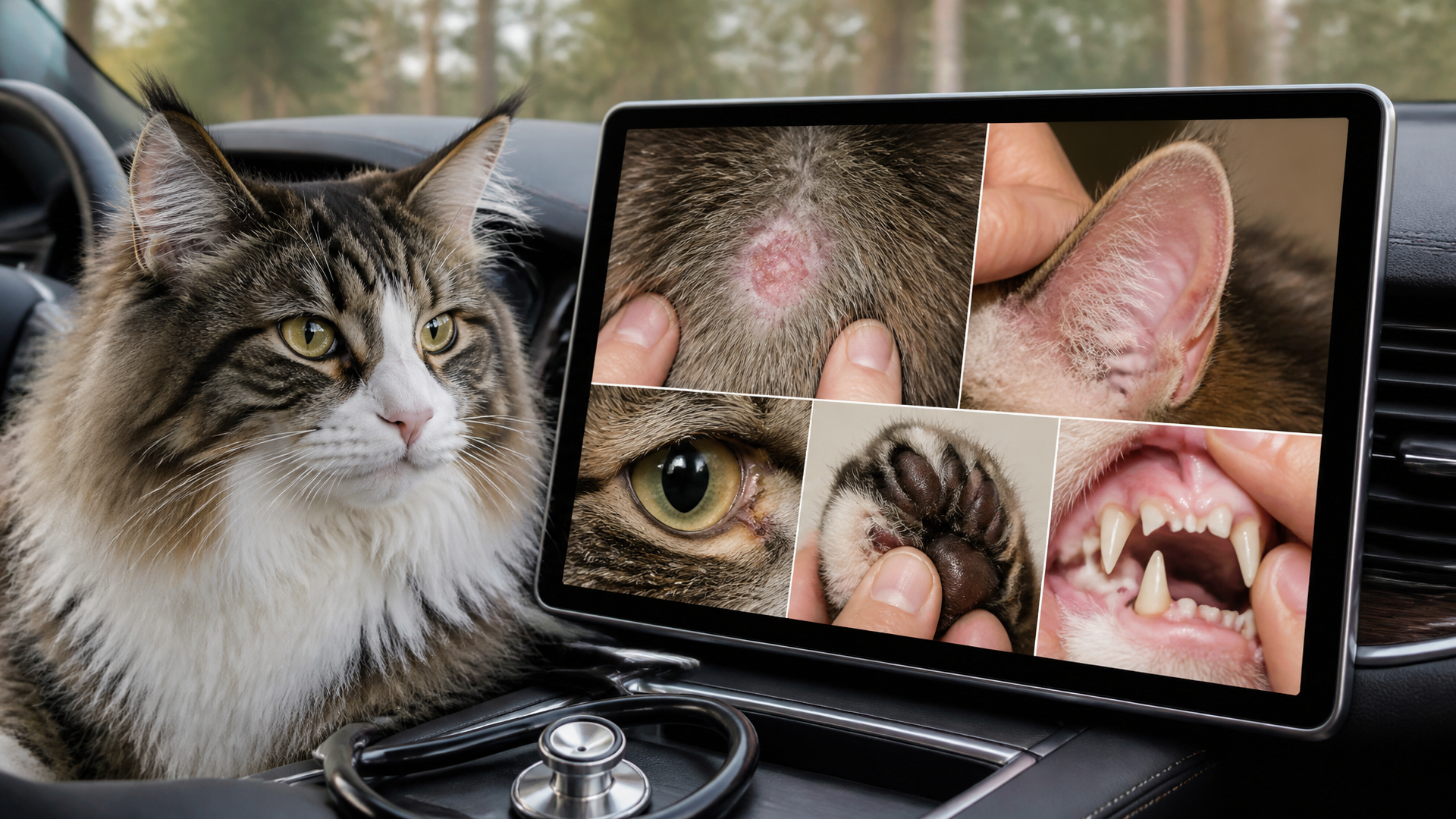
- Dense coat: Mats can hide skin infections, parasites, or tumors. Weekly hands-on checks are non-negotiable.
- Genetic risks: Responsible breeders test for HCM and GSD IV. If you don’t know your cat’s breeding history, assume both are possible and screen accordingly.
Applicability boundary: If your cat comes from HCM-tested lines with clear echocardiogram results for multiple generations, your screening schedule is less urgent — annual cardiac checks starting at age 3 may be sufficient. If the breeding history is unknown or includes any history of heart disease, start cardiac screenings at age 1 and repeat every 6–12 months. This one factor changes everything about your prevention timeline.
Practical implication: If you cannot verify HCM testing in your cat’s pedigree, you should budget for annual echocardiograms (typically $300–$600) starting at age 1. That cost is far lower than emergency heart failure treatment, and it gives you a baseline that makes future diagnosis far more accurate.
7 Warning Signs That Need Your Attention
Not every behavior change is an emergency, but these seven signs all require action — some immediately.
1. Labored or Open-Mouth Breathing
Cats should never breathe through their mouth at rest. If you see open-mouth breathing, panting, or rapid belly movements when your cat is calm, this is a major red flag for HCM.
What to do: Call your vet immediately. HCM can progress rapidly, and early medication improves both quality of life and survival time.
Verification step: Count breaths per minute while your cat sleeps. Normal is 20–30. Anything above 40 at rest is urgent. Record a 15-second video of the breathing pattern to show your vet — this is more useful than a verbal description.
2. Hind-Leg Weakness or Stiffness
Hip dysplasia and patellar luxation are known in the breed. Watch for a bunny-hopping gait, reluctance to jump onto furniture, or back legs that seem to collapse when your cat sits.
What to do: Schedule a vet exam and request hip and knee X-rays. Joint supplements (glucosamine, chondroitin, omega-3s) and weight management can slow progression — but they cannot reverse structural issues.
Trade-off to know: Joint supplements help with inflammation and comfort, but they won’t fix a malformed hip joint or a luxating patella. If your cat is already limping frequently, surgery may be the only option. Supplements alone can delay necessary treatment by masking symptoms.
3. Sudden Changes in Appetite or Thirst
Increased drinking and urination can signal kidney disease, diabetes, or hyperthyroidism. Decreased appetite may point to dental pain, gastrointestinal issues, or organ problems.
What to do: Measure water intake over 24 hours. More than 4 ounces per 5 pounds of body weight per day is above normal. If you see a clear increase or decrease, request a full blood panel including thyroid and kidney values.
4. Coughing or Gagging Without a Hairball
Coughing in cats is often mistaken for hairballs. If your cat coughs or gags but produces nothing, or if it happens more than once a week, it could be asthma, heart disease, or a respiratory infection.
What to do: Film the episode and show your vet. This helps distinguish between heart-related coughs and respiratory issues — they sound different to an experienced ear.
5. Unexplained Weight Loss or Gain
Their coat hides body shape, so weigh your cat monthly. A 10% change (1–2 pounds in an adult) is significant. Weight loss can mean diabetes, hyperthyroidism, or GSD IV. Weight gain stresses the heart and joints.
What to do: Use a baby scale or weigh yourself holding the cat on a bathroom scale, then subtract your weight. Track results in a notes app — trends matter more than single readings.
6. Hiding or Personality Changes
Norwegian Forest Cats are typically social and curious. If your cat starts hiding, avoids interaction, or seems irritable when touched, pain or illness is likely.
What to do: Check for visible injuries first. If you find nothing, schedule a vet visit to check for dental pain, arthritis, or internal issues. Cats hide pain as a survival instinct — by the time they show it, the problem is often advanced.
7. Excessive Grooming or Bald Patches
Over-grooming can indicate pain (they lick where it hurts), allergies, or stress. Norwegian Forest Cats are prone to flea allergies and food sensitivities.
What to do: Check for fleas with a fine-toothed comb, especially around the tail base and belly. If no pests are found, an 8–12 week food trial with a novel or hydrolyzed protein diet may be needed.
When to Call the Vet vs. What Can Wait
Some symptoms need immediate action. Others can wait 24 hours if your cat is otherwise acting normal.
| Symptom | Call Vet Now | Monitor 24 Hours |
|---|---|---|
| Open-mouth breathing at rest | ✅ | ❌ |
| Unable to urinate or straining | ✅ | ❌ |
| Collapse or sudden paralysis | ✅ | ❌ |
| Vomiting more than twice in 8 hours | ✅ | ❌ |
| Mild limping without swelling | ❌ | ✅ |
| Single coughing episode, then normal | ❌ | ✅ |
| One skipped meal but acting fine | ❌ | ✅ |
When in doubt, call your vet’s office. A technician can tell you over the phone whether to come in.
Prevention That Actually Works for This Breed
Prevention saves money and extends your cat’s good years. These steps are tailored to Norwegian Forest Cats.
Heart Health
- Annual cardiac screenings starting at age 1 — include an echocardiogram if HCM is in the bloodline.
- Weight control — obesity increases heart workload significantly. Keep body condition score at 4–5 out of 9.
- Taurine supplementation if feeding raw or homemade diets. Commercial foods meeting AAFCO standards already include adequate taurine.
Joint Health
- Low-impact exercise — use wand toys and cat trees with ramps or low platforms. Avoid encouraging tall jumps in kittens under 2 years.
- Joint supplements with glucosamine, chondroitin, and omega-3s starting at age 5, or earlier if your cat shows stiffness. Products like Cosequin or Dasuquin for cats are a reliable choice.
- Orthopedic beds placed in warm, draft-free areas — cold worsens joint stiffness.
Coat and Skin Health
- Brushing 3x per week with a slicker brush followed by a stainless-steel comb. This prevents mats and lets you feel for lumps.
- Bathing only every 4–6 months with a cat-safe shampoo to preserve natural coat oils.
- Weekly ear checks — tufted ears trap debris and can develop infections quickly.
Dental Health
- Daily tooth brushing with enzymatic pet toothpaste such