Choosing the Right Bowl Size for Your Labrador

Selecting the appropriate bowl size for your Labrador is a crucial aspect of responsible pet ownership that significantly impacts their health and well-being. Understanding what size bowl for Labrador is necessary involves considering various factors, including the dog’s age, weight, and feeding habits. The right bowl not only accommodates the dog’s physical needs but also enhances their feeding experience. Additionally, the material and shape of the bowl can influence both hygiene and comfort during mealtime. This article will explore essential guidelines and tips to help you make an informed decision regarding your Labrador’s feeding bowl.

Dog always misbehaving?

Learn how service dogs are trained to never bark out of excitement. Free workshop!


k9ti.org

Key Takeaways

Consider your Labrador’s age, weight, and feeding habits when selecting bowl size for optimal nutrition and comfort.
Choose the right bowl material, with stainless steel and ceramic options being preferable for hygiene and longevity.
Different bowl shapes, like elevated or shallow, can enhance eating comfort and digestion, especially for older dogs.
Regularly inspect and clean bowls to prevent bacteria buildup and ensure safety, replacing them every 6 to 12 months as needed.

Factors to Consider When Choosing a Bowl Size

When selecting the appropriate bowl size for your Labrador, it is essential to take into account various factors that can influence both comfort and practicality. Understanding the dog’s size and feeding habits will provide a foundation for making an informed decision. By considering these elements, you can ensure an optimal dining experience for your pet.

Dog Size Considerations

Dog size considerations play a crucial role in determining the most suitable bowl size, as larger breeds require more spacious options to accommodate their feeding needs effectively. For Labradors, which are known for their robust size and strong jaws, a bowl that is both wide and deep is essential to prevent spills and ensure comfort during mealtime. Additionally, the height of the bowl should be appropriate for the dog’s stature to facilitate an ergonomic feeding posture. Choosing the right bowl size not only enhances the eating experience but also promotes better digestion and reduces the risk of choking. As we delve deeper into this topic, it is also important to examine how feeding habits impact the overall bowl selection process.

Feeding Habits Impact

Feeding habits significantly impact the choice of bowl size, as they determine the frequency and volume of food required for optimal nourishment. Labradors, known for their robust appetite, may necessitate larger bowls to accommodate their feeding needs. Additionally, the speed at which a dog consumes food can influence bowl design and size, with some dogs benefiting from wider or shallower bowls to prevent gulping. It is also important to consider the frequency of meals, as more frequent feedings might require smaller bowls to ensure freshness and reduce waste. Ultimately, aligning the bowl size with the specific dietary habits of the Labrador is crucial for promoting healthy eating behaviors.

The Importance of Bowl Depth

The depth of a bowl plays a crucial role in the overall dining experience for your Labrador. An appropriately designed bowl can enhance the efficiency of feeding while also contributing to the cleanliness of mealtime. Understanding the significance of bowl depth can lead to better choices that support your dog’s health and well-being.

Optimal Depth for Eating

Optimal depth for eating ensures that food is accessible without causing strain on the dog’s neck, thereby promoting a more comfortable and enjoyable mealtime experience. A bowl that is too shallow may result in food being pushed out, while one that is excessively deep can make it difficult for the dog to reach their meal. Selecting a bowl with an optimal depth not only facilitates easier access to food but also reduces the likelihood of spills. This thoughtful consideration contributes significantly to your dog’s overall dining satisfaction and can help maintain their health. As we delve deeper into the subject, it is essential to also focus on strategies for preventing messy meals.

Preventing Messy Meals

Preventing messy meals requires careful consideration of bowl design and placement, ensuring that both the dining area and the dog remain clean during and after mealtime. Choosing bowls with higher sides can help contain food and water, minimizing spills and splashes. Additionally, non-slip bases can prevent the bowl from moving, reducing the likelihood of food scattering around the area. Positioning the bowl in a designated feeding station can further aid in maintaining cleanliness, allowing for easier cleanup. Ultimately, selecting the right bowl features can significantly enhance the overall feeding experience for your Labrador.

Supporting Healthy Digestion

Supporting healthy digestion in Labradors involves selecting the right bowl design and food consistency to facilitate proper intake and minimize gastrointestinal issues. A shallow bowl may encourage more natural eating postures, reducing the risk of gulping air and subsequent bloating. Additionally, using a non-slip or weighted bowl can prevent sliding, allowing for a more controlled consumption of food. The choice of food consistency, whether dry kibble or wet food, should also align with the bowl’s design to enhance digestion. Ultimately, these considerations contribute to the overall health and well-being of your Labrador.

Material Options for Dog Bowls

When selecting the ideal dog bowl for your Labrador, the material used can significantly influence both functionality and durability. Various options, including stainless steel, ceramic, and plastic, each offer distinct advantages and considerations. Understanding these material choices is essential for making an informed decision that best suits your dog’s needs.

Stainless Steel Benefits

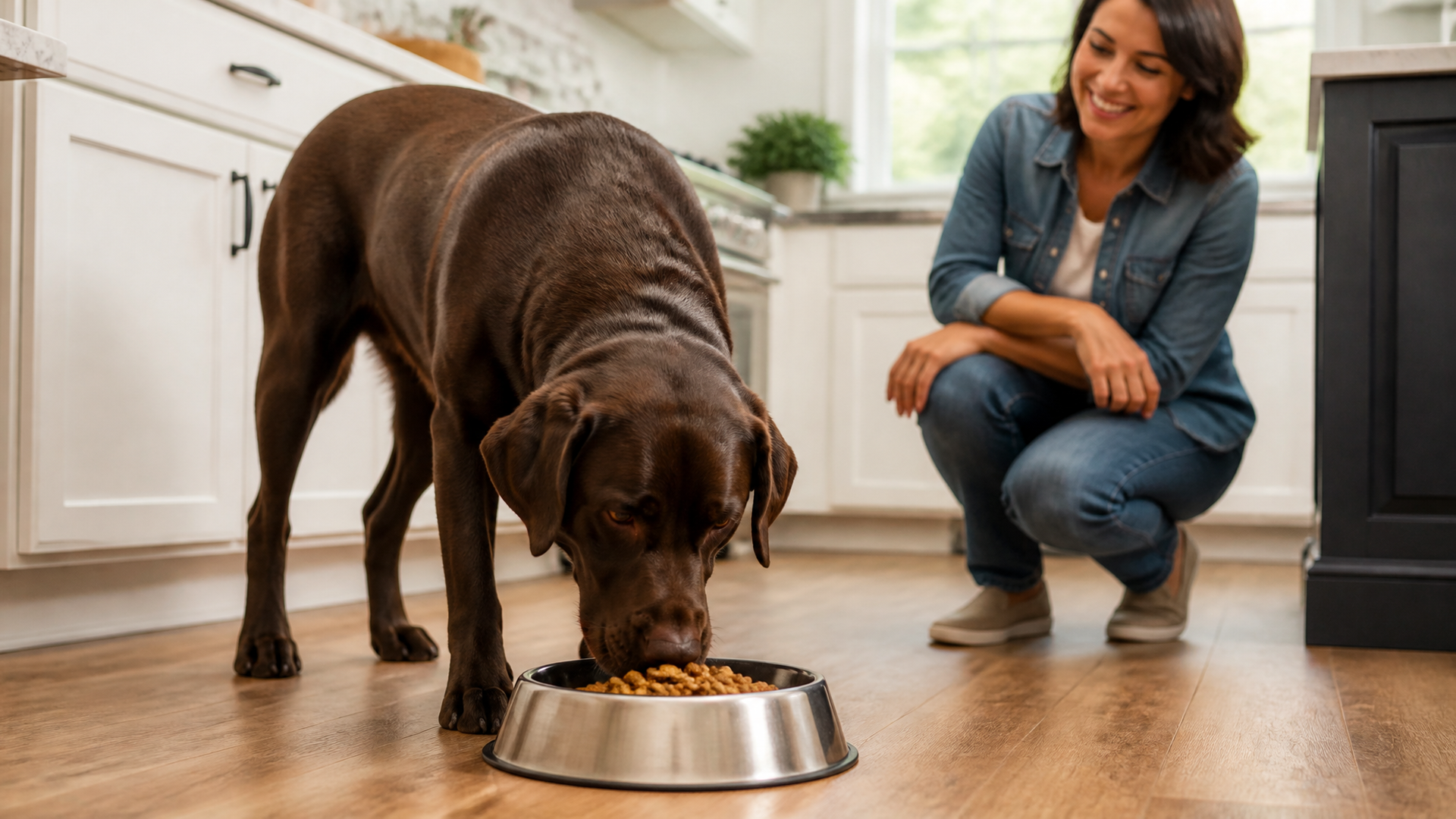
Stainless steel dog bowls are renowned for their durability, resistance to rust and corrosion, and ease of cleaning, making them a preferred choice among pet owners. Their non-porous surface prevents the harboring of bacteria, ensuring a safer feeding experience for dogs. Additionally, stainless steel bowls are often heavier, which reduces the likelihood of tipping during mealtime. They are also dishwasher-safe, allowing for effortless maintenance and sanitation. These benefits make stainless steel an optimal selection for pet owners prioritizing hygiene and longevity in their dog bowls.

Ceramic Bowl Pros

Ceramic bowls provide an aesthetically pleasing option that is often heavier than plastic, reducing the likelihood of spills during mealtime. They are typically available in a variety of colors and designs, allowing for customization to fit your home decor. The non-porous surface of ceramic bowls makes them easy to clean and resistant to bacteria, promoting better hygiene for your pet. Additionally, ceramic bowls are less likely to be chewed or scratched compared to plastic options, enhancing their longevity. However, it is important to consider the potential for chipping or cracking if dropped, necessitating careful handling.

Plastic Bowl Considerations

Plastic bowls offer a lightweight and cost-effective option for dog owners, but considerations regarding durability and potential chemical leaching should be carefully evaluated. While they are often less expensive than other materials, plastic bowls can scratch easily, which may harbor bacteria. Additionally, some plastic bowls may contain harmful chemicals, such as BPA, that can leach into food or water. It’s also important to note that plastic bowls may not withstand the wear and tear associated with larger, more active dogs like Labradors. Owners should regularly inspect these bowls for signs of damage and consider replacement when necessary.

Different Bowl Shapes and Their Benefits

The shape of a dog bowl can significantly influence a pet’s eating experience and overall health. Various designs cater to specific needs, enhancing comfort and convenience for both the dog and the owner. Understanding the advantages of different bowl shapes can aid in selecting the most suitable option for your Labrador.

Elevated Bowl Advantages

Elevated bowls can promote better posture during mealtime, reducing strain on a dog’s neck and joints while encouraging a more comfortable eating position. These bowls are particularly beneficial for larger breeds, such as Labradors, as they allow for a more natural alignment of the spine. Additionally, elevated bowls can help prevent digestive issues by facilitating easier swallowing and digestion. The design often reduces the amount of bending required, making it easier for older dogs or those with mobility issues to access their food. Ultimately, the choice of an elevated bowl can significantly enhance the overall dining experience for your Labrador.

Shallow vs. Deep Bowls

Shallow bowls are often recommended for dogs that tend to have sensitive whiskers, while deep bowls may be more suitable for those with larger snouts, impacting their overall eating comfort. The design of the bowl can affect how easily a Labrador can access its food, thus influencing its eating habits. Shallow bowls reduce the risk of whisker fatigue, which can lead to a more enjoyable meal experience for sensitive dogs. Conversely, deep bowls can accommodate larger portions and allow more room for movement for dogs with longer snouts. Ultimately, the choice between shallow and deep bowls should consider the individual dog’s size, eating style, and any specific sensitivities.

Non-Slip Bowl Features

Non-slip bowl features provide stability during mealtime, preventing spills and ensuring a more enjoyable feeding experience for dogs. These bowls often incorporate rubberized bases or textured surfaces, which help keep them securely in place. This stability encourages dogs to eat comfortably without the distraction of a moving bowl. Additionally, non-slip designs can reduce the risk of messes, making cleanup easier for pet owners. As we explore further, adjustable bowl options offer another layer of customization for enhancing your Labrador’s dining experience.

Adjustable Bowl Options

Adjustable bowl options offer versatility in feeding heights, accommodating dogs of various sizes and ensuring a more ergonomic eating posture. These bowls can be modified to suit the changing needs of a Labrador as they grow from a puppy to an adult, promoting better digestion and comfort. Additionally, they reduce the strain on a dog’s neck and joints, particularly for larger breeds that may struggle with traditional bowl heights. Increased stability and durability are often found in adjustable designs, making them a practical choice for active dogs. Ultimately, selecting an adjustable bowl can enhance the overall feeding experience and contribute to a dog’s well-being.

How to Measure Your Labrador’s Food Intake

Measuring your Labrador’s food intake is essential for maintaining optimal health and preventing obesity. To achieve this, it’s crucial to understand their daily caloric needs, implement portion control techniques, and monitor any changes in weight over time. By focusing on these key aspects, you can ensure your dog receives the appropriate nutrition for their lifestyle.

Understanding Daily Caloric Needs

Understanding daily caloric needs is fundamental to ensuring that your Labrador maintains a healthy weight and receives adequate nutrition tailored to its activity level. Factors such as age, weight, breed, and exercise frequency significantly influence the caloric requirements of your dog. It is essential to consult veterinary guidelines or a pet nutritionist to determine the appropriate caloric intake for your Labrador. Regularly assessing your dog’s weight and adjusting food portions accordingly will help manage their overall health. By consistently monitoring these aspects, you can foster a balanced diet that supports your Labrador’s well-being.

Portion Control Techniques

Effective portion control techniques play a pivotal role in ensuring that Labradors receive the right amount of food to maintain a healthy weight and overall well-being. Measuring food portions using standard measuring cups can help prevent overfeeding and ensure consistency in daily intake. Additionally, using a food scale to weigh portions provides a more precise measurement, allowing for better adherence to dietary guidelines. Implementing scheduled feeding times rather than free feeding can help regulate appetite and promote discipline in eating habits. To further support your Labrador’s health, it is essential to monitor weight changes regularly to adjust feeding practices as necessary.

Monitoring Weight Changes

Monitoring weight changes in your Labrador is vital for identifying potential health issues early and ensuring that dietary adjustments are made as needed. Regularly weighing your dog allows for informed decisions regarding their diet and exercise routine. It is important to track both weight gain and loss, as fluctuations can signal underlying health concerns. Keeping a log of these changes will help you communicate effectively with your veterinarian. In addition to monitoring weight, maintaining clean bowls is essential for your dog’s overall health and well-being.

Tips for Maintaining Clean Bowls

Maintaining clean bowls is essential for your Labrador’s health and well-being. Implementing a regular cleaning schedule, utilizing safe cleaning products, and employing proper drying techniques can significantly enhance bowl hygiene. These practices not only promote cleanliness but also contribute to your pet’s overall health.

Regular Cleaning Schedule

A regular cleaning schedule for your Labrador’s bowls ensures that any residual food particles and bacteria are promptly addressed, thereby fostering a healthier feeding environment. Frequency of cleaning should be dictated by your dog’s feeding habits and the types of food served. It is advisable to wash the bowls daily, especially after meals, to minimize the risk of contamination. Utilizing hot soapy water or a pet-safe dishwasher cycle can effectively eliminate harmful pathogens. Additionally, routinely inspecting the bowls for wear and tear can help maintain their integrity and function.

Safe Cleaning Products

Safe cleaning products play a crucial role in ensuring that your Labrador’s bowls are free from harmful chemicals while still achieving optimal cleanliness. These products help to remove food residues, bacteria, and odors without posing risks to your pet’s health. When selecting cleaning agents, it is important to choose those that are specifically formulated to be pet-safe. Additionally, avoiding harsh chemicals reduces the likelihood of allergic reactions or gastrointestinal issues in your dog. After cleaning, it’s essential to follow up with proper drying techniques to maintain the bowls’ hygiene.

Proper Drying Techniques

Proper drying techniques are crucial in preventing bacterial growth on cleaned bowls, ensuring a hygienic environment for your Labrador. After washing, it’s important to use a clean, dry cloth to thoroughly wipe down each bowl, eliminating any residual moisture. Air drying is another effective method; placing bowls upside down on a drying rack allows for proper airflow. Avoid stacking wet bowls, as this can create a breeding ground for bacteria. Regularly inspect bowls for any signs of wear or damage, as these can harbor harmful microorganisms despite cleaning efforts.

Transitioning to a New Bowl Size

Transitioning to a new bowl size is a crucial consideration for pet owners seeking to enhance their Labrador’s dining experience. It involves a careful assessment of the current bowl size and its suitability for the dog’s needs. By thoughtfully implementing the transition, owners can ensure their pets remain comfortable during mealtime while maintaining healthy eating habits.

Assessing Current Bowl Size

Assessing the current bowl size is essential for determining whether it meets the specific needs of a Labrador, taking into account factors such as the dog’s age, size, and eating habits. A bowl that is too small can lead to discomfort and difficulty in accessing food, while one that is excessively large may cause overeating or splattering. It is important to observe the dog’s feeding behavior and ensure that the bowl allows for easy movement without excessive strain. Additionally, selecting a bowl material that is durable and easy to clean can contribute to a healthier dining environment. Once the assessment is complete, pet owners can proceed with the gradual size increase steps to effectively transition to a more suitable bowl.

Gradual Size Increase Steps

Gradual size increase steps are essential to ensure that the Labrador adapts comfortably to the new bowl, minimizing any potential disruptions to their feeding routine. Owners should begin by selecting a bowl that is slightly larger than the current size, allowing for a seamless transition. It is advisable to monitor the dog’s behavior during mealtime to assess their comfort level with the new size. Following this, the bowl can be incrementally increased in size, ensuring that the dog is adjusting well at each stage. This methodical approach promotes positive eating habits and fosters overall well-being for the Labrador.

Monitoring Food Intake Changes

Monitoring food intake changes is essential for understanding how adjustments in bowl size may impact a Labrador’s eating habits and overall health. Regular observation can reveal patterns in consumption, including any significant increases or decreases in food intake. Pet owners should document these changes to identify any correlations with the new bowl size. Additionally, it is important to monitor the dog’s weight and overall condition during this transition period. This data will provide valuable insights for making further adjustments if necessary.

Ensuring Comfort in Eating

Ensuring comfort in eating is essential for promoting positive mealtime experiences and overall health in Labradors. A properly sized bowl can significantly reduce strain on the dog’s neck and posture during meals. Selecting the right material, such as stainless steel or ceramic, also contributes to a more enjoyable eating environment. Additionally, the bowl’s design should prevent spills, allowing for a cleaner and stress-free feeding area. Ultimately, prioritizing comfort can lead to improved eating habits and overall well-being for Labradors.

Frequently Asked Questions

What are the signs that my labrador is not comfortable with their current bowl size?

Several signs may indicate that a dog is uncomfortable with their current bowl size. Firstly, if the dog struggles to access food or water, it may suggest that the bowl is too deep or shallow for their needs. Additionally, frequent spilling or knocking over of the bowl can be a clear sign that the size is inappropriate. Observing the dog’s eating habits can also provide insight; if they seem hesitant or anxious while eating, this could indicate discomfort. Furthermore, if the dog consistently pushes the bowl around or shows disinterest in their food, it may be a sign that the bowl is not conducive to a positive feeding experience. Finally, any signs of stress or frustration, such as whining or pacing near the feeding area, should be taken seriously as indicators that the current bowl size may not be suitable.

Can the size of the bowl affect my labrador’s eating habits or behavior?

The size of a bowl can significantly influence a dog’s eating habits and overall behavior. A bowl that is too small may lead to frustration, causing the dog to eat more quickly, which can result in gastrointestinal issues such as bloating or indigestion. Conversely, an excessively large bowl may encourage a lack of interest in food, leading to decreased appetite or overconsumption. Additionally, the bowl’s size can impact the dog’s posture during mealtime, affecting comfort levels and potentially leading to long-term musculoskeletal issues. A well-sized bowl allows for a more natural eating position, fostering a calmer and more enjoyable dining experience. Therefore, it is essential to consider the bowl size as a pivotal factor in promoting healthy eating behaviors and overall well-being in dogs.

How often should i replace my labrador’s food and water bowls?

The frequency with which you should replace your Labrador’s food and water bowls depends on several factors, including the material of the bowls and their condition over time. Generally, stainless steel and ceramic bowls are more durable and less prone to wear compared to plastic options. It is advisable to inspect the bowls regularly for signs of damage, such as cracks or scratches, which can harbor bacteria and compromise your pet’s health. If you notice any deterioration, it is prudent to replace the bowl immediately to ensure hygiene and safety. Additionally, if you frequently wash the bowls, consider replacing them every 6 to 12 months to maintain optimal cleanliness. Ultimately, the goal is to provide a safe and healthy feeding environment for your Labrador, which may require regular assessment and timely replacement of their bowls.

Conclusion

In conclusion, selecting the appropriate bowl size for a Labrador involves careful consideration of various factors, including age, weight, and feeding habits. Optimal bowl dimensions not only promote comfort but also help mitigate potential health risks, enhancing the overall dining experience. The choice of material and shape further contributes to the effectiveness of the feeding process, influencing posture and reducing discomfort. Regular maintenance and hygiene practices are crucial for safeguarding canine health, ensuring that bowls remain safe and functional. Ultimately, a well-considered approach to bowl selection can lead to improved eating behaviors and overall well-being for Labradors.

If you’re a dog lover looking to expand your knowledge on pet care, I highly recommend checking out the page on Top Tips for Caring for Beagles. This resource provides valuable insights that can help you better understand the needs of Beagles, ensuring they live happy and healthy lives. Don’t miss out on these essential tips!