Why is Niki The Chihuahua so Angry
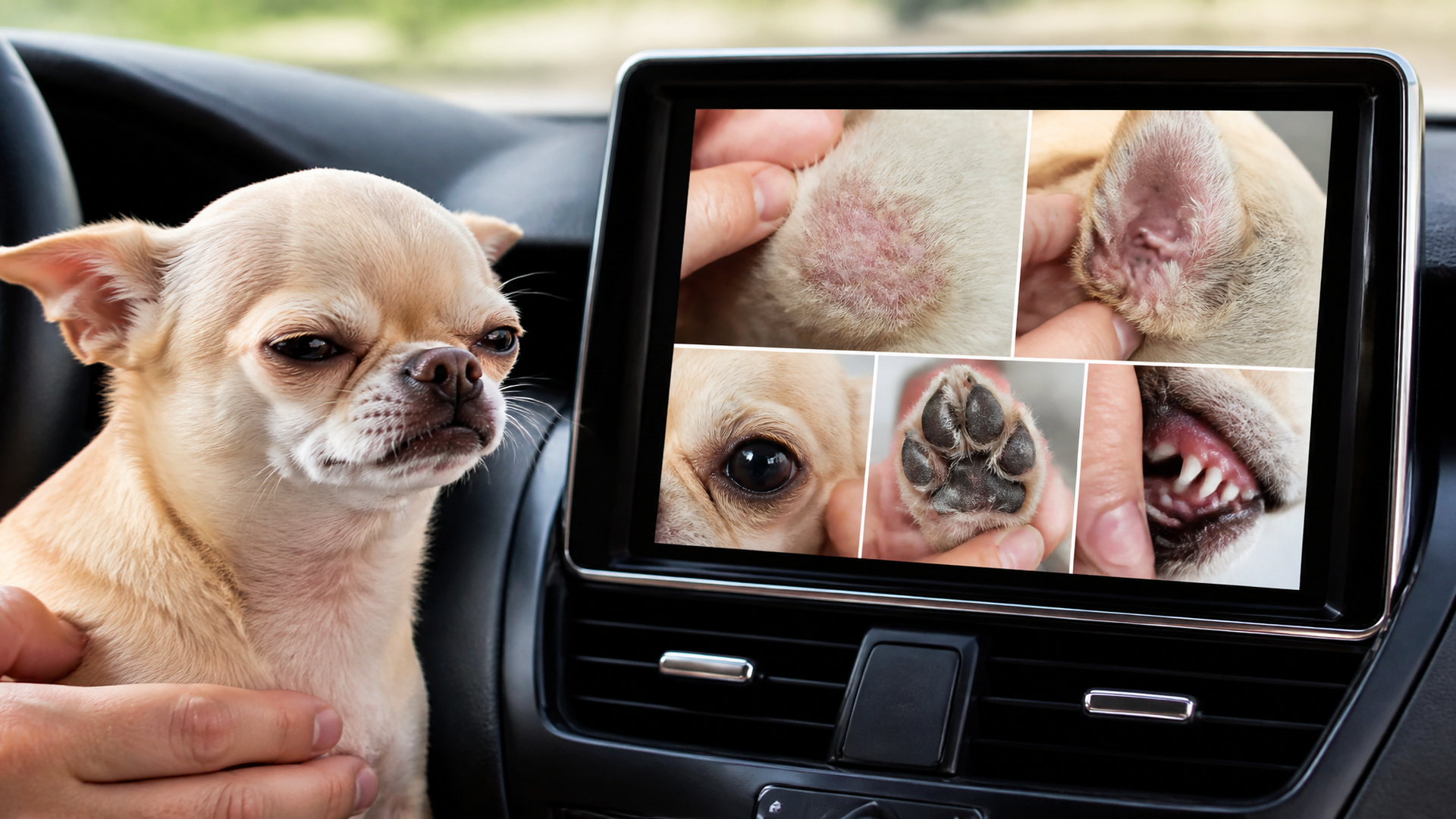
If you’ve seen Niki the Chihuahua’s viral photos, you know the look: ears pinned back, lower jaw jutting forward, eyes that seem to say “back off.” The short answer? Niki isn’t actually angry. Her signature grumpy face comes from a pronounced underbite (Class 3 malocclusion), naturally forward-set eyes, and relaxed ear carriage. She’s not mad — that’s just her face, and her owner has confirmed she’s a perfectly healthy, happy dog.

But Niki’s viral expression raises a real question for Chihuahua owners: when does a serious face signal a problem, and when is it just the breed being the breed? Here’s exactly how to tell the difference — and what to do about it.
What’s Really Going On With Niki’s Face
Niki has a Class 3 malocclusion — an underbite where her lower teeth sit ahead of her upper teeth. This pushes her bottom lip forward and creates that permanent scowl. It’s common in small brachycephalic (short-muzzled) breeds, and Chihuahuas are right at the top of the list.
Three features create Niki’s look:
| Feature | What It Does | Normal or Problem? |
|---|---|---|
| Underbite | Lower jaw extends past upper jaw, pushing lip forward | Normal for many Chihuahuas |
| Forward-set eyes | Creates a fixed, staring expression | Normal breed trait |
| Relaxed ear carriage | Ears naturally sit back, not alert and perked | Normal when calm |
Applicability boundary: This applies to Chihuahuas with a consistent grumpy expression they’ve had since puppyhood. If your adult dog suddenly develops a new tense face or if teeth are hitting the roof of the mouth or gums, that’s a vet issue — not Niki energy.
When Your Chihuahua’s Grumpy Face Is a Problem (and When It’s Not)
Here’s the decision tool every owner needs. Compare your dog’s expression against these two categories:
Happy grumpy (no action needed)
- Underbite with no drooling or eating trouble
- Ears back but soft body, relaxed tail, normal appetite
- Grumpy resting face that disappears when you grab a treat or leash
- Consistent expression your vet has already seen and cleared
Angry stress or pain signals (vet visit needed)
- Sudden new aggression — growling, snapping, biting, especially if your dog was friendly before
- Ears pinned flat + tucked tail, shaking, or hiding
- Tooth grinding, pawing at the mouth, dropping food, or avoiding hard kibble
- Eye changes — squinting, redness, discharge, or the third eyelid showing
- Behavior change — your dog avoids you, won’t come when called, or seems “off”
Practical implication: If your Chihuahua’s grumpy look is consistent and they eat, sleep, and wag normally, you can safely assume it’s just breed anatomy. If the expression is new or comes with any of the signs above, skip the training advice and go straight to a vet — dental disease affects over 80% of dogs by age three, and Chihuahuas’ tiny mouths pack teeth tightly, making pain the #1 hidden cause of “angry” behavior.
Verification step you can do right now: Take a “five-second face check.” Offer a high-value treat (a tiny piece of cheese or chicken). A happy grumpy Chihuahua will perk up, take it gently, and wag. A dog in pain may hesitate, turn away, or take it cautiously. Repeat this check weekly and compare against a baseline photo.
Why Chihuahuas Get Mislabeled as Angry
Chihuahuas are the smallest dog breed, and small dogs often get judged harder for behaviors that are normal in larger breeds. A Chihuahua who growls is called “aggressive.” A Labrador who does the same thing is called “protective.”
Three real reasons your Chihuahua might actually seem angry:
1. They’re terrified. The world is genuinely threatening when you weigh 5 pounds. A dog who feels trapped will show teeth.
2. They’re guarding. Many Chihuahuas resource-guard food, toys, or their person — it’s instinct, not meanness.
3. They’re in pain. Dental disease, luxating patellas, and neck injuries all manifest as irritability.
Trade-off to watch for: Assuming your Chihuahua’s grumpy look is “just personality” when it’s actually hiding a painful tooth abscess is the most common — and costly — mistake. A dog who suddenly becomes “grumpy” after years of being friendly needs a dental exam before any behavior modification.
5 Ways to Keep Your Chihuahua Calm (and Keep the Grumpy Face Cute)
These tips apply whether your dog looks like Niki or has a completely normal bite.
1. Respect the handling boundaries. Chihuahuas hate being grabbed from above. Always approach from the side and scoop — never grab.
- Common mistake: Picking up by the chest under the armpits, which pulls on their delicate neck and trachea.
2. Stick to a daily dental routine. Brush teeth at least 3–5 times per week with dog-safe toothpaste. Dental chews alone won’t prevent tooth pain that mimics anger.
- Common mistake: Using human toothpaste (toxic to dogs) or skipping dental care because the teeth “look fine.”
3. Give them a safe zone. A crate or bed in a quiet corner where kids and other pets can’t reach. Chihuahuas need one place where they’re never bothered.
- Common mistake: Letting children or visitors chase or corner the dog for “cuddles.”
4. Train “look at me” as a calm-out cue. Hold a treat at your eye level. When your Chihuahua looks up, mark and reward. This breaks the glare-and-growl cycle.
- Common mistake: Punishing growling — it removes the warning, and the dog will skip straight to biting.
5. Use size-appropriate gear. A harness (never a collar) for walks, small-breed toys that won’t break teeth, and a bed with raised sides for security.
- Common mistake: Buying puppy-sized gear for a Chihuahua adult — they need extra-small adult gear with proper neck and chest proportions.
Recommended products: Small-breed dental water additive, finger toothbrush for tiny mouths, and a step-in harness with a martingale loop to prevent neck strain.
Quick Operator Flow: Is Your Chihuahua Angry or Just Grumpy?
Use this sequence whenever your Chihuahua has a tense expression:
1. Scan body language. Ears back + soft body + wagging tail = relaxed. Ears back + stiff body + tail tucked = stressed.
2. Do the treat test. Offer a high-value treat. If they take it gently and wag, they’re fine. If they freeze, growl, or turn away, something’s wrong.
3. Check for pain signals. Drooling, pawing at mouth, avoiding hard food, flinching when touched near the jaw, or bad breath.
4. Escalate if: The tense expression is new, your dog is avoiding you, or you notice weight loss or lethargy.
Success check: A Chihuahua who looks grumpy but eats well, sleeps soundly, and wags for treats is not angry. That’s just Niki energy.
Stop or escalate: If the treat test freezes your dog or you spot any pain signal, stop all behavior training and schedule a vet visit for a complete oral exam and dental X-rays.
FAQ
Why does Niki the Chihuahua always look mad?
Niki has a naturally pronounced underbite and forward-set eyes that create a permanent grumpy expression. Her owner has confirmed she is a healthy, happy dog — that’s simply her face.
Is an underbite painful for Chihuahuas?
Not usually. Minor underbites are common in the breed and cause no discomfort. A severe underbite where teeth hit the roof of the mouth or gums should be evaluated by a vet.
Can Chihuahuas be trained out of aggressive behavior?
Yes, but only after a vet clears them for pain. Once pain is ruled out, positive reinforcement training focusing on building confidence is the most effective approach.
How can I tell if my Chihuahua’s grumpy look is normal?
Compare their expression when relaxed versus when stressed. A normal grumpy face stays consistent; a stress-related expression comes and goes with triggers like strangers, loud noises, or handling.
Save This Guide
Niki the Chihuahua’s viral angry face is mostly harmless breed anatomy — but your own Chihuahua’s grumpy expression deserves a closer look. Take a weekly face photo, do the five-second treat test, and always rule out pain before assuming bad attitude. The grumpy face is part of the breed’s charm; the real anger is something you can fix.
This article contains affiliate links. As an Amazon Associate, we earn from qualifying purchases at no extra cost to you.