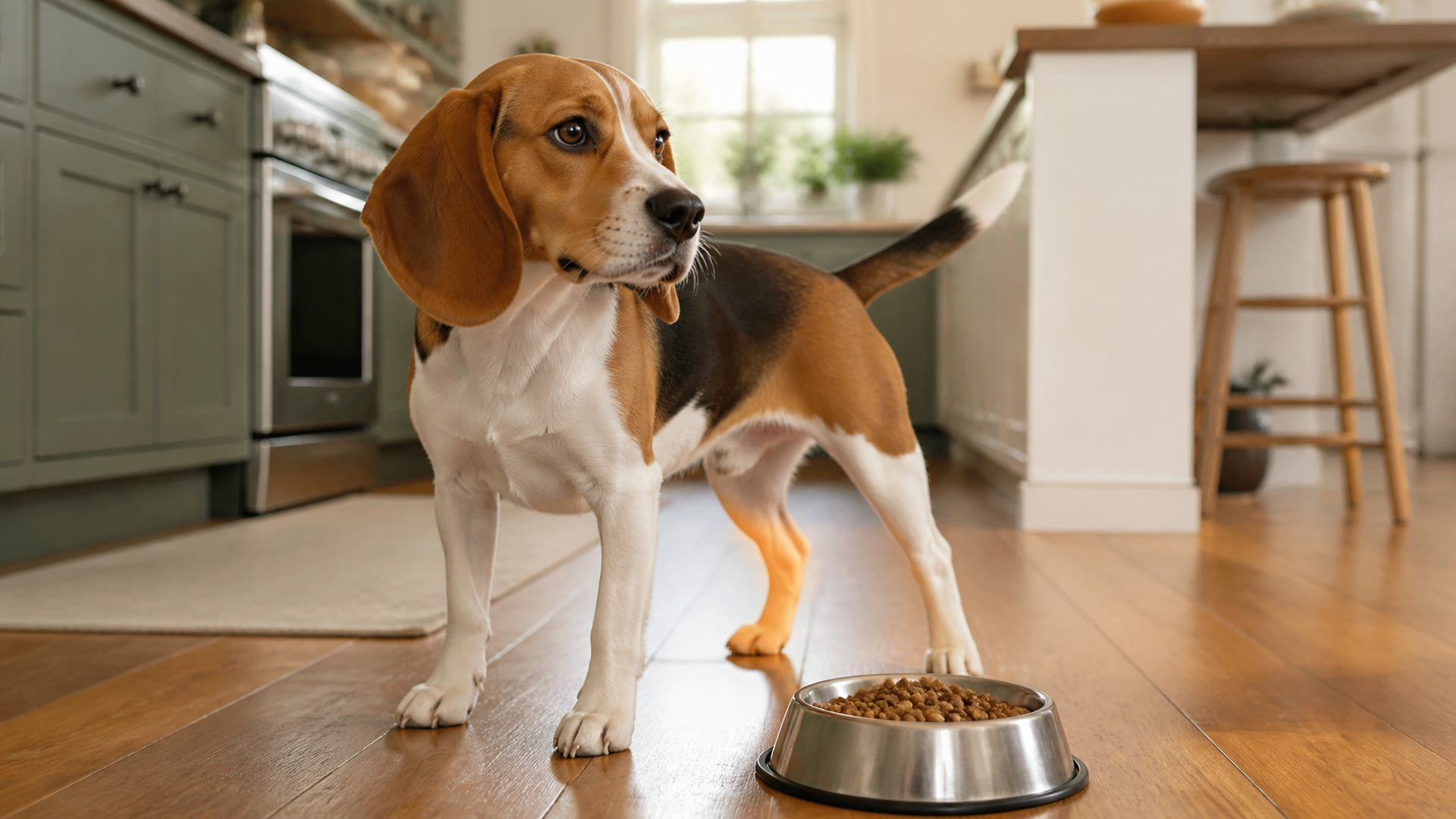
One Medium Size Beagle
If you’re looking into one medium size Beagle, here’s the short answer: the 13–15 inch variety, weighing 20–30 pounds, is the ideal family size. They’re compact enough for apartment living but sturdy enough for weekend hikes. But there’s a catch most owners don’t see coming — that medium frame hides the stamina of a sled dog and a stubborn streak that can test your patience. This guide covers feeding, exercise, training, grooming, and health so you know exactly what you’re signing up for.

What “Medium” Really Means for a Beagle
Beagles come in two AKC-recognized sizes: under 13 inches and 13–15 inches at the shoulder. The 13–15 inch group is what owners call “medium.” These dogs typically weigh 20–30 pounds, with males on the heavier end. But here’s the critical boundary: if your Beagle is over 15 inches at the shoulder, it’s likely a mix or out of standard — and those dogs can have very different exercise needs and health risks.
What this means for you: If you’re choosing between the two sizes, the medium Beagle (13–15 inches) is the better all-around choice for most homes. They’re sturdy enough for rough play with kids but still portable enough for car trips and vet visits. The under-13 inch version is more delicate and prone to injury from jumping or roughhousing.
How to verify your Beagle’s size: Measure from the ground to the highest point of the shoulder blades using a flexible measuring tape. The dog should be standing square on all four paws. If you’re looking at a puppy, ask the breeder for the parents’ heights — puppies from 13–15 inch parents will typically land in that range.
Quick Size Reference
| Height at shoulder | Weight range | Typical build | Best for |
|---|---|---|---|
| Under 13 inches | 15–20 lbs | Small, lighter frame | Seniors, apartments |
| 13–15 inches | 20–30 lbs | Medium, sturdy | Families, active singles |
Trade-off to know: The medium Beagle is more prone to obesity than the smaller variety because their food drive is intense and their calorie needs are easier to overestimate. A 20-pound Beagle needs about 500–700 calories per day. A 30-pound Beagle needs 700–900. It’s easy to overshoot by 200 calories with just a few extra treats, and that adds a pound every 18 days.
Feeding Your Medium Beagle — Portions Matter More Than You Think
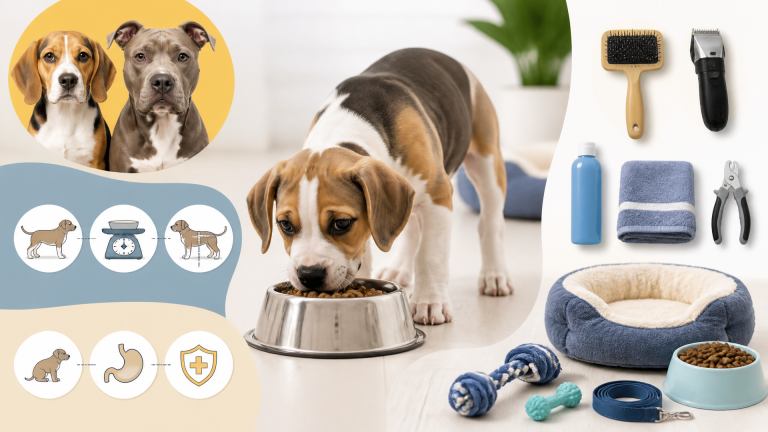
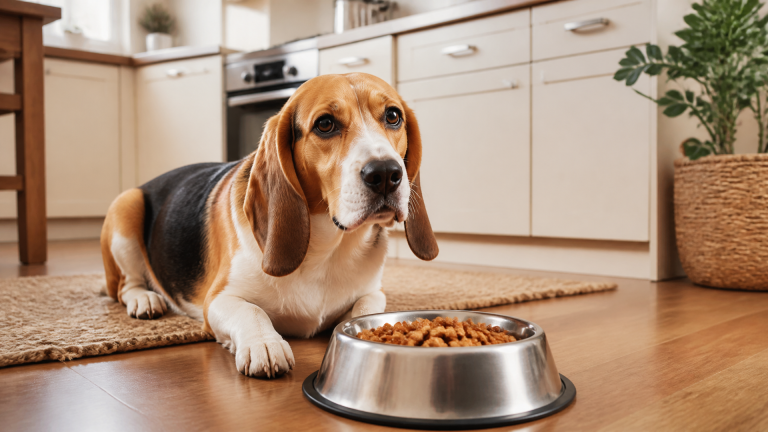
Beagles are born eaters. Their powerful sense of smell and constant food motivation make obesity the number one preventable health risk. For a 20–30 lb adult Beagle, feed 1 to 1.5 cups of high-quality dry food per day, split into two meals. Adjust based on activity — a weekend hiking buddy needs more than a couch companion.
Expert tip: Use a measuring cup every single time. Eyeballing portions adds 100–200 extra calories per day, which packs on 5 pounds in a year — that’s 20–25% of your Beagle’s body weight. Common mistake: Trusting the feeding guide on the bag without adjusting for your dog’s condition. Those guides are for intact, highly active dogs. Most pet Beagles need 20–30% less.
Product pick: Purina ONE Chicken and Rice Formula Dry Dog Food – 40 lb. Bag is a reliable choice for adult Beagles. Real chicken is the first ingredient, and prebiotic fiber supports their sensitive digestion. The 40 lb bag lasts about 40–50 days for one medium Beagle.
Another expert tip: Account for training treats in the daily calorie budget. Those pleading eyes are a trained behavior — resist the urge to give table scraps. Stick to low-calorie options like freeze-dried liver pieces or green beans. Common mistake: Giving “just one bite” of your dinner. A bite of cheese or meatloaf can be 50–100 calories, and Beagles learn fast where the extras come from.
Applicability boundary: If your Beagle is highly active (running 5+ miles daily or participating in scent work trials), increase to 1.5–2 cups per day. If your Beagle is spayed/neutered, their calorie needs drop by 20–30% — adjust portions accordingly. Always consult your vet for individual needs.
Exercise Needs — The Counter-Intuitive Truth
Here’s what most guides skip: a medium size Beagle needs more daily exercise than most dogs twice their size. Their scent-hound heritage means 45–60 minutes of daily activity is the minimum, not the goal. Without it, expect digging, barking, and escape attempts that can rival a Houdini act.
Realistic Exercise Plan
- Morning sniffari (20 min): Loose-leash walking with nose-down time in a safe area. Let them follow scents — it’s mental exercise that tires them more than a jog.
- Afternoon play (15 min): Fetch or tug in a fenced yard. Never off-leash in an unfenced area — they’ll follow a scent for miles without looking back.
- Evening walk (20–30 min): Brisk pace to burn off remaining energy. Rotate routes every few days — new smells reset their boredom meter.
Expert tip: Use a front-clip harness, not a collar. Beagles have necks as strong as their noses and can slip a flat collar if they lunge after a squirrel. A harness gives you control without choking. Common mistake: Using a retractable leash. Beagles can hit 20 mph chasing a scent, and retractable leashes snap or cause severe burns. Stick to a 4–6 foot fixed leash.
What this means for your daily life: If you work a 9-to-5 and can’t come home at lunch, a medium Beagle is not a good fit unless you have a dog walker or daycare. A bored Beagle will redecorate your home — chewed baseboards, dug-up yard, and howling complaints from neighbors are common.
Grooming a Medium Beagle — Quick but Non-Negotiable
Beagles have short, dense double coats that shed year-round, with heavier shedding in spring and fall. They’re not hypoallergenic, but grooming is manageable with the right routine.
- Brush twice a week with a rubber curry brush or slicker brush to remove loose hair and distribute skin oils. During peak shedding, a deshedding tool once a week catches the undercoat.
- Bathe every 4–6 weeks or when they find something smelly (which is often — dead fish, mud, mysterious puddles). Use a gentle oatmeal shampoo to avoid stripping natural oils.
- Check ears weekly. Beagles have floppy ears that trap moisture and debris. Wipe with a vet-approved ear cleaner. Warning sign: If you notice odor, dark discharge, or head shaking, an infection is already developing — don’t wait for it to get worse.
- Trim nails monthly — you should hear them clicking on hard floors only when overdue. Use a grinder or clippers, being careful of the quick.
Trade-off to know: Beagles’ short coat means they get cold in winter and can sunburn on their belly and ear tips in summer. In cold weather, a fleece coat helps. In hot weather, limit outdoor time during peak sun hours and provide shade.
Training Your Medium Beagle — Work With the Nose
Beagles are intelligent but maddeningly independent. They were bred to follow a rabbit for hours without human direction, so recall when a fascinating scent appears is a tough sell. Here’s what actually works:
- Use high-value treats. Dry kibble won’t cut it. Use small pieces of cooked chicken, cheese, or freeze-dried liver. The stinkier, the better — Beagles are motivated by smell first.
- Keep training sessions short (5–10 minutes). Beagles lose focus fast. Multiple short sessions beat one long session.
- Practice recall daily in a controlled setting — on a long line in a fenced area. Call, reward heavily when they come, and never punish when they eventually return. Punishing recall teaches them not to come back.
- Crate train from day one. Beagles are den animals, and a crate prevents destruction when you can’t supervise. It also helps with housebreaking — they naturally avoid soiling their sleeping area.
Verification step for training progress: Test recall in a low-distraction environment (your living room) first. Once your Beagle comes reliably 9 out of 10 times, move to a fenced yard. Only after consistent success there should you attempt off-leash in a safe area. Most Beagles never reach reliable off-leash recall — accept this and use a long line instead.
Common mistake: Assuming your Beagle will grow out of stubbornness. They won’t. This is a breed trait, not a training failure. Work around it with management (fenced areas, leashes) rather than fighting it.
Health Checklist for Your Medium Beagle
Use this as a quick reference to track your Beagle’s health. Check each item monthly.
| Check item | What to look for | Pass/Fail |
|---|---|---|
| Weight check | Visible waist from above, ribs felt without pressing hard | ❏ Pass ❏ Fail |
| Ear check | Clean, no odor, no dark discharge | ❏ Pass ❏ Fail |
| Nail length | No clicking on hard floors | ❏ Pass ❏ Fail |
| Coat condition | Shiny, no bald patches, no excessive scratching | ❏ Pass ❏ Fail |
| Energy level | Normal appetite, playful, not lethargic | ❏ Pass ❏ Fail |
| Stool check | Firm, brown, no blood or mucus | ❏ Pass ❏ Fail |
If any item fails more than once, schedule a vet visit. Beagles are stoic and hide illness well — changes in routine behavior (eating less, sleeping more) are often the first sign something’s wrong.
When to Call the Vet
Some issues need immediate attention:
- Bloat (GDV): Unproductive retching, distended belly, restlessness. Beagles are deep-chested for their size and can bloat. This is an emergency — get to a vet within minutes.
- Ear infection: Head shaking, odor, scratching at ears. Don’t wait for it to resolve on its own — infections worsen quickly.
- Eye issues: Beagles are prone to cherry eye (prolapsed gland of the third eyelid) and glaucoma. Any redness, squinting, or discharge needs a vet.
- Unexplained weight gain or loss: Beagles gain weight easily from overfeeding, but sudden loss can indicate diabetes or thyroid issues. A 2-pound change in a month warrants a checkup.
Is a medium Beagle good with children?
Yes, medium Beagles are typically excellent with kids. They’re sturdy enough for gentle roughhousing and patient enough for young children. The trade-off: they can knock over toddlers accidentally when excited. Always supervise interactions and teach children to respect the dog’s space.
How much does a medium Beagle cost?
From a reputable breeder, expect $500–$1,200. Rescue Beagles are $100–$300. The bigger cost is ongoing — food, vet care, and supplies run about $1,000–$1,500 per year for the first year, then $500–$1,000 annually.
Do medium Beagles bark a lot?
Yes. They were bred to bay when they found game. Expect barking, baying, and howling — especially when bored or when they catch an interesting scent. Training and exercise help, but this is a vocal breed. Apartment living can be challenging.
How long do medium Beagles live?
12–15 years with proper care. Common health issues include obesity, ear infections, hypothyroidism, and eye problems. Regular vet checkups and weight management add years to their life.
This guide includes affiliate links. We may earn a small commission if you purchase through them, at no extra cost to you.
Save this guide for later. A medium Beagle is a rewarding, challenging, endlessly entertaining companion — but preparation makes all the difference. Bookmark this page, print the health checklist, and share it with your family so everyone knows the routine before you bring your Beagle home.