Bulldog xl: Guide: What Every Owner Should Know
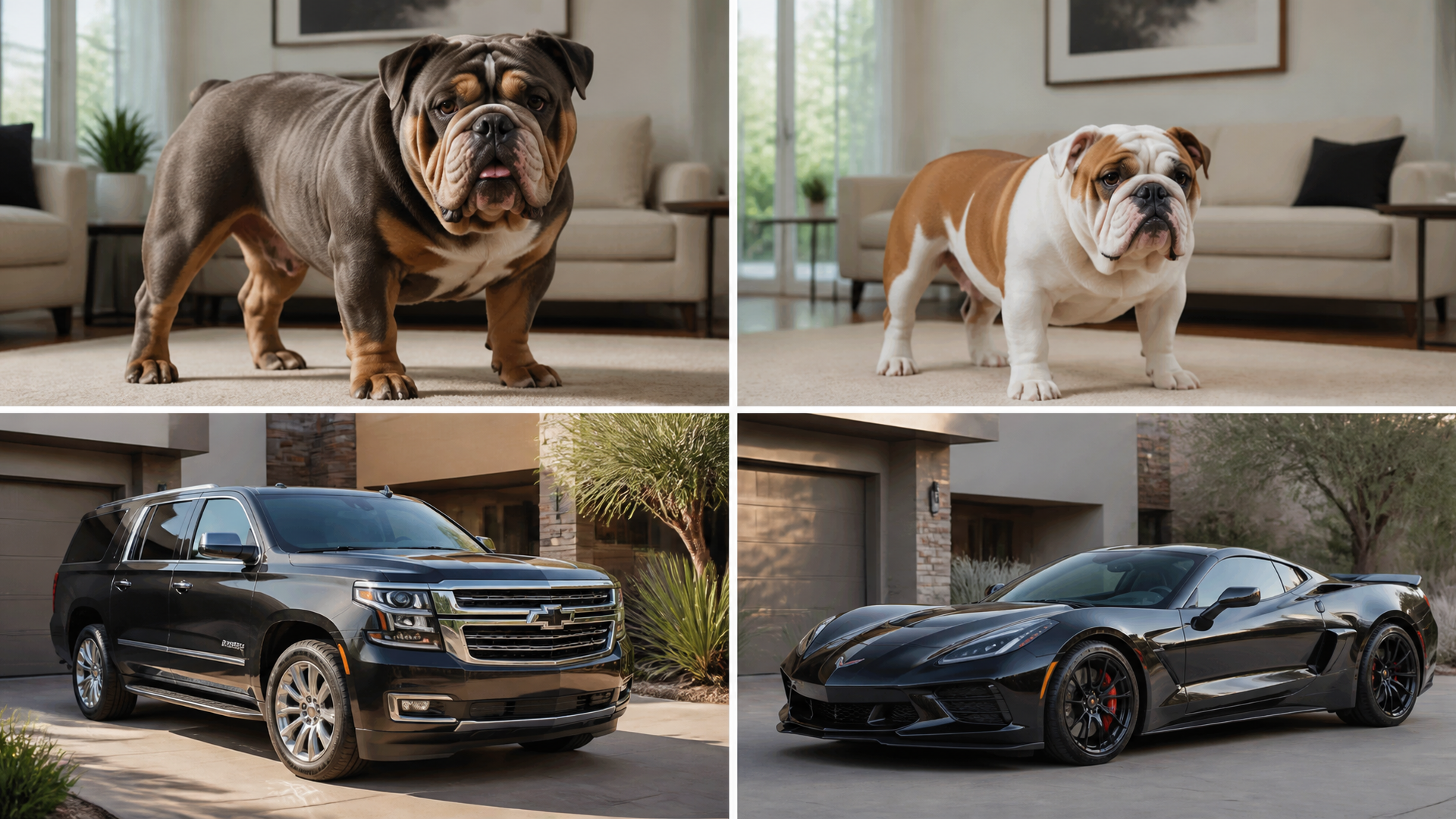
refers to oversized English Bulldogs bred for a heavier, more muscular frame — typically 70–120+ pounds. These dogs share the classic bulldog temperament but come with specific health, cost, and care challenges that standard bulldog owners don’t face. If you’re considering one, the short answer is: plan for double the vet budget, tighter climate control, and a serious commitment to daily fold cleaning.

Bulldog XL vs Standard Bulldog vs Great Dane
Choosing between these breeds comes down to size, health risk, and daily care commitment. The table below shows the key differences at a glance.
| Breed Comparison | Standard English Bulldog | Bulldog XL | Great Dane |
|---|---|---|---|
| Average weight | 40–55 lbs | 70–120+ lbs | 110–175 lbs |
| Lifespan | 8–10 years | 6–9 years | 7–10 years |
| Monthly food cost | $40–$60 | $70–$110 | $80–$130 |
| Exercise needs | 20–30 min/day | 20–40 min/day | 60+ min/day |
| Common serious health issues | Breathing, skin folds, joints | All of the above + mobility + heart strain | Bloat, hip dysplasia, heart |
| Grooming effort | Moderate | Moderate–High | Low–Moderate |
Is a Bulldog XL Right for You?
Before searching for a breeder, evaluate these three non-negotiables.
Space and flooring. Bulldog XLs need room to turn around without bumping furniture. Hardwood or tile floors are dangerous for their joints; rubber mats, area rugs, or carpet are better. A 1-bedroom apartment with stairs is a hard pass.
Long-term budget. Emergency vet visits for a Bulldog XL can hit $3,000–$8,000 quickly. Hip surgery runs $4,000–$7,000 per side. Pet insurance with a high annual limit (at least $10,000) is non-negotiable. Budget $150–$300/month beyond food for routine vet, supplements, and grooming.
Heat management. Bulldog XLs overheat faster than any other bulldog size. If you don’t have central air conditioning, a cool basement, or a plan to keep the house under 75°F year-round, this breed will suffer.
Decision tipping point: If you live in a climate where summer highs regularly exceed 85°F and you don’t have 24/7 AC, choose a different breed. The XL’s larger body mass makes heatstroke a real risk even during short potty breaks.
The Bulldog XL Health Checklist
These conditions affect Bulldog XLs more than standard bulldogs. Print this for your vet.
Breathing and Airway Issues
Bulldog XLs have even more compressed airways than their smaller counterparts. Watch for these signs:
- Loud snoring that changes pitch or includes gasping
- Blue-tinged gums after mild exercise
- Collapsing after 5 minutes of play in warm weather
What to do: Ask your breeder for BOAS (brachycephalic obstructive airway syndrome) grading scores. Grade 1–2 can be managed; Grade 3–4 may require surgery. A soft palate resection and nostril widening costs $1,500–$3,500.
Joint and Mobility Problems
Extra body weight strains hips, elbows, and knees.
- Hip dysplasia is almost guaranteed in poorly bred XLs
- Elbow dysplasia causes front-leg lameness by age 2–3
- Cranial cruciate ligament tears happen when these dogs jump off furniture
Prevention: No jumping on or off beds or couches — use ramps. Keep them lean. You should feel ribs easily without pressing. Joint supplements (glucosamine, chondroitin, MSM, omega-3s) should start at 12 months.
Skin Fold Infections
The deeper, heavier folds on a Bulldog XL trap moisture.
- Clean all folds daily with a vet-approved wipe (avoid alcohol-based)
- Dry completely — use a soft cloth, never air-dry
- Watch for red, smelly, or weepy spots between wrinkles
Common mistake: Using baby wipes regularly. Many contain fragrances and moisturizers that worsen infections. Use chlorhexidine wipes instead (Douxo or similar brand).
Feeding a Bulldog XL: No Free-Feeding Allowed
Bulldog XLs gain weight faster and have slower metabolisms than standard bulldogs. Free-feeding (leaving food out all day) guarantees an overweight dog with joint pain.
| Age | Meals per day | Total daily amount | Calorie target |
|---|---|---|---|
| 8–12 weeks | 4 | 2.5–3.5 cups | 800–1,100 kcal |
| 4–8 months | 3 | 3.5–4.5 cups | 1,100–1,500 kcal |
| 9–18 months | 2 | 4–5 cups | 1,300–1,700 kcal |
| Adult (18+ months) | 2 | 3.5–5 cups (adjust to maintain condition) | 1,200–1,600 kcal (less if neutered) |
Food type: Large-breed puppy formula (controlled calcium) until 18 months. After that, a high-protein, moderate-fat adult formula. Avoid grain-free unless your vet specifically recommends it — there’s a link to DCM (dilated cardiomyopathy) in large-breed dogs on grain-free diets.
Expert Tip #1: Use a Slow-Feeder for Every Meal
Bulldog XLs inhale food and are high-risk for bloat (GDV). Feed from an elevated bowl (6–8 inches off the ground) to reduce air swallowing. Common mistake: Using a standard bowl on the floor — this increases aerophagia and gas, not just mess.
Expert Tip #2: Manage Water Intake After Exercise
Don’t let them gulp a whole bowl after activity. Wait 20 minutes after exercise, then offer small amounts every 10 minutes for 30 minutes. Common mistake: Letting them drink freely after a walk or play session, which raises bloat risk significantly.
Expert Tip #3: Use Body Condition Score, Not Just Weight
Keep a body condition score chart on your fridge. Feel their ribs weekly — if you can’t feel them easily through a thin fat layer, cut food by 10% for 2 weeks and reassess. Common mistake: Relying on weight alone. A 90-pound Bulldog XL can still be overweight if he has a 5/9 body condition score.
Grooming a Bulldog XL: The Heavy-Duty Routine
Daily (5–10 minutes)
- Wipe face folds with chlorhexidine wipe
- Check tail pocket (if present) — clean and dry
- Wipe paw pads and between toes
- Apply nose balm if nose is dry or cracked
Weekly (20–30 minutes)
- Brush with a rubber curry brush or grooming mitt (slicker brush can irritate their skin)
- Check ears — if dirty, use a vet-approved ear cleaner (do not use Q-tips)
- Trim nails every 7–10 days. You should hear them click on hard floors when too long
- Full body check for hot spots, cysts, or new lumps
Monthly
- Bath with a medicated oatmeal shampoo (avoid weekly baths unless dirty — strips natural oils)
- Anal gland expression — if they’re scooting, take them to a groomer or vet
- Brush teeth 2–3 times weekly minimum
Operator Flow for Skin Fold Check (Do This Every Evening)
1. Get a bright light (phone flashlight works) and a chlorhexidine wipe.
2. Gently lift each main face fold. Look for redness, moisture, or black debris.
3. Wipe from center outward — do not wipe back and forth.
4. Pat dry with a soft cloth. The fold needs to be completely dry. Damp folds grow yeast in 12 hours.
5. If you see thick black debris, a strong smell, or raw skin, call your vet for an antifungal or antibacterial treatment. Don’t try over-the-counter creams.
Escalation signal: If the area doesn’t improve within 3 days of daily cleaning, or if your dog is scratching at it, schedule a vet visit. Infections in bulldog folds can spread deeper into the skin.
Bulldog XL Temperament and Training Realities
The good news: Bulldog XLs are typically calm, friendly, and loyal. They’re not guard dogs and rarely show aggression without cause.
The bad news: They’re stubborn. A Bulldog XL that doesn’t want to walk will plant its 100-pound frame and refuse to move.
Training must-haves:
- Positive reinforcement only — they shut down with harsh correction
- Leash training starting day one (use a harness, never a collar — collar pressure can collapse their trachea)
- Crate training for safety (prevents them from eating things they shouldn’t when unsupervised)
- Early socialization with other dogs and people (they can develop same-sex aggression if not properly socialized)
Common training mistake: Using a choke chain or prong collar. These can cause serious trachea damage and breathing distress. Always use a front-clip harness.
Cost of Ownership: What Nobody Tells You
| Item | Typical Annual Cost |
|---|---|
| High-quality large-breed food | $1,200–$1,800 |
| Joint supplements | $300–$600 |
| Routine vet visits + vaccines | $300–$600 |
| Pet insurance (healthy dog) | $800–$1,500 |
| Grooming supplies + occasional pro grooming | $200–$500 |
| Emergency fund reserve | $2,000–$5,000 minimum |
One-time costs: Puppy purchase price $3,000–$7,000+ from a reputable breeder. Crate, bed (get an orthopedic memory foam bed), harness, leash, bowls, gates — $500–$1,000.
Decision criterion that changes the recommendation: If you cannot handle the possibility of two major surgeries in the first 5 years (say, BOAS surgery plus one joint surgery) without financial hardship, a Bulldog XL is not for you. The breed’s health problems are predictable enough that this isn’t pessimistic — it’s realistic planning.
Save This Guide
Bulldog XLs are wonderful companions for owners who have the space, budget, and climate control to keep them safe and comfortable. The key takeaways: buy from a health-focused breeder who tests for BOAS and hips, keep them lean, clean folds daily, and never skip pet insurance.
We are a participant in the Amazon Services LLC Associates Program and other affiliate programs. Some links in this guide may earn us a commission at no extra cost to you.