2.#tab#name Two Countries or Regions Darwin Visited During His Journey on The Beagle.
During his five-year voyage on HMS Beagle (1831–1836), Charles Darwin visited two key regions that shaped his theory of evolution: the Galápagos Islands and South America (particularly Argentina and Chile). These stops provided the critical evidence he needed for natural selection.

Why this matters for Beagle owners: Your Beagle shares the same curious, exploring nature that made Darwin’s observations possible. But that same independent drive can lead to anxiety and barking at home. This guide covers the two most common training challenges for Beagles aged 3 months and older: separation anxiety and excessive barking.
Before you start: If your Beagle shows aggression (growling, snapping, or biting), skip self-training and consult a veterinary behaviorist first. Aggression requires professional assessment.
Essential Beagle Training: Anxiety and Barking
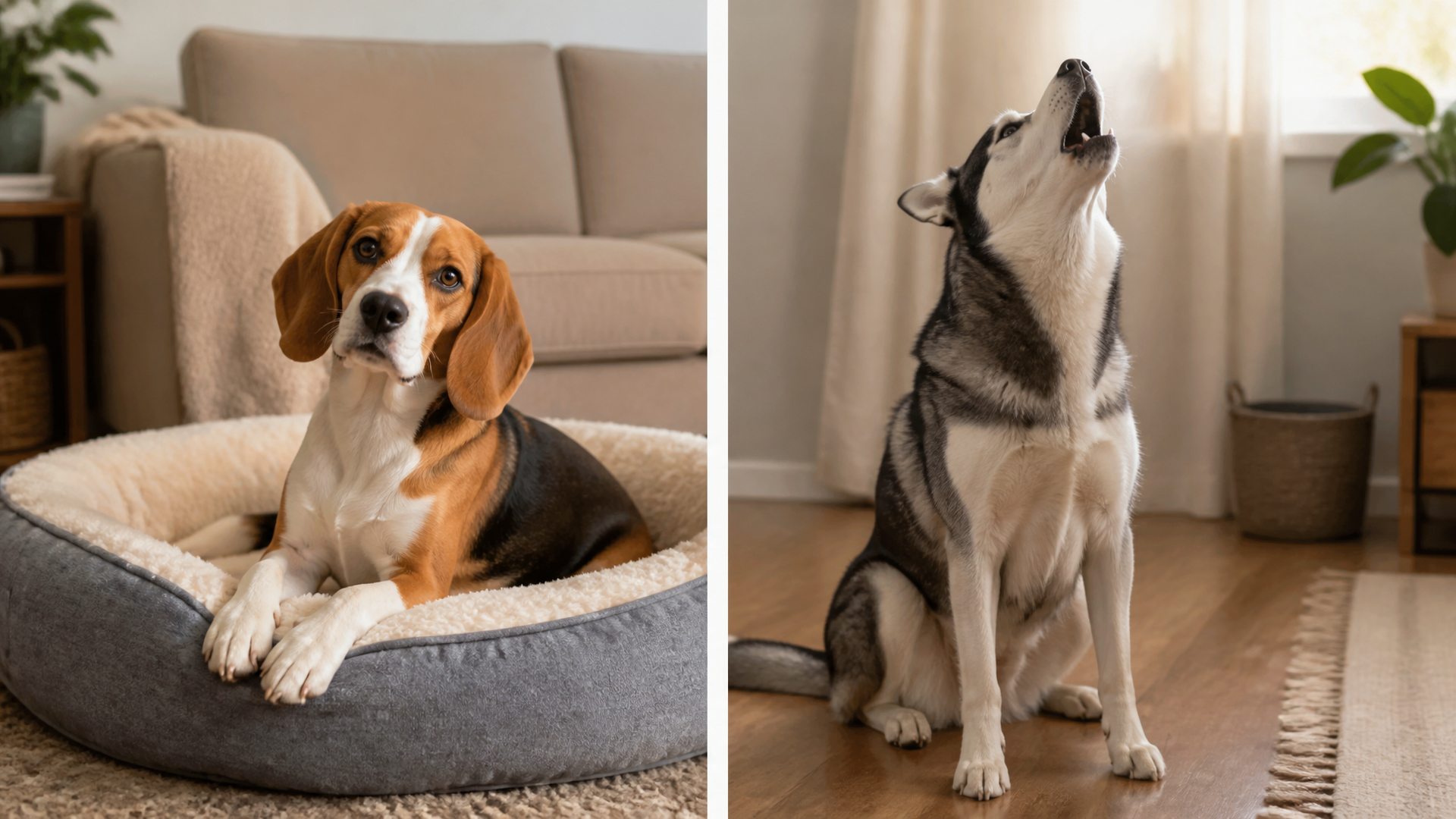
Beagles were bred to bay while tracking rabbits, and they’re intensely social pack dogs. These instincts mean they don’t do well alone, and they express themselves vocally. Training must work with their drives, not against them. Here’s how to address the two biggest challenges Beagle owners face.
1. Separation Anxiety: Helping Your Beagle Cope
A Beagle left alone for hours can panic. They may howl, chew door frames, scratch at windows, or have accidents even after being housebroken. This isn’t spite—it’s genuine distress.
Actionable steps to reduce separation anxiety:
- Start with micro-departures. Leave for 1–2 minutes, then return before your Beagle gets upset. Gradually increase to 5, 10, and 30 minutes over two weeks. This desensitizes them to your leaving.
- Use scent-based enrichment. A frozen Kong stuffed with wet dog food, pumpkin, and a few kibble pieces keeps your Beagle’s nose busy for 20–30 minutes. The licking action also calms them.
- Exercise before every departure. A 20-minute walk plus 10 minutes of nosework (hiding treats in a towel roll) drains energy so they’re more likely to settle.
- Create a safe space. A crate with a soft blanket and chew toy, placed in a quiet room, gives them a den-like retreat.
Common mistake to avoid: Making a big fuss when you leave or return. This signals to your Beagle that departures are a big deal. Stay calm, give a treat, and leave without fanfare.
Product recommendation: KONG Classic Dog Toy – stuff with peanut butter (xylitol-free), wet food, or yogurt, then freeze. The cold extends the challenge and the licking soothes anxiety (affiliate link).
How to track progress: Keep a simple log. After one week of micro-departures, you should see a decrease in whining within the first 5 minutes. If no improvement after two weeks, add a ThunderShirt or consult your vet about anti-anxiety medication for severe cases.
Trade-off to consider: Puzzle toys work well for mild to moderate anxiety but may not stop severe panic (panting, drooling, escape attempts). In those cases, combine with a calming aid and professional guidance.
2. Curbing Excessive Barking
Beagles bark to communicate—alerts, excitement, boredom, or following a scent. You can’t stop barking entirely, but you can reduce it to acceptable levels with consistent training.
Training techniques that work:
- Teach “quiet” with positive reinforcement. When your Beagle barks, say “quiet” in a calm voice. The moment they pause (even for a second), mark with “yes” and give a high-value treat. Repeat until they understand the cue.
- Manage outdoor triggers. If they bark at squirrels or passing dogs, block window views using frosted window film or temporary privacy screens. Close curtains during peak trigger times.
- Use white noise or calming music. Play a “through the night” playlist or a white noise machine to mask outdoor sounds that trigger barking loops.
- Increase mental stimulation daily. A bored Beagle will bark for entertainment. A 15-minute nosework game (hide treats around the living room) is more tiring than a 30-minute walk.
Common mistake to avoid: Yelling at your Beagle to stop barking. They interpret raised voices as you joining the barking, which reinforces the behavior and can increase anxiety.
Product recommendation: PetSafe Ultrasonic Outdoor Bark Control – a humane device that emits a high-pitched tone when it detects barking, which interrupts the cycle without causing pain (affiliate link).
How to know if this device fits your situation: Test it for one week. It works best for Beagles that bark at outdoor triggers (delivery trucks, squirrels, other dogs). It’s less effective for indoor anxiety barking because the Beagle may associate the sound with the room, not the trigger. If barking persists indoors, stick to behavior modification.
Expert Tips for Beagle Owners
Tip 1 – Use Your Beagle’s Nose Every Day
Beagles live by scent. A 10-minute “find it” game (hide kibble in a muffin tin covered with tennis balls) is more tiring than a 30-minute walk. It fulfills their genetic drive to sniff and hunt.
Common mistake to avoid: Don’t hide treats in the same spot every time—your Beagle will memorize locations and stop sniffing. Rotate hiding spots daily to keep their brain engaged.
Tip 2 – Avoid Free-Feeding
Beagles are prone to obesity and food obsession. Use measured meals (check the bag for weight-based portions) and consider a slow feeder bowl to prevent gulping. Food-motivated dogs learn faster—make every meal a training opportunity.
Common mistake to avoid: Using the same high-value treats for every training session. Reserve extra-special rewards (freeze-dried liver, small pieces of cheese) for the hardest behaviors like staying calm during your departure. Save regular kibble for easier commands.
Tip 3 – Rotate Toys Weekly
A Beagle loses interest in the same toys quickly. Rotate 3–4 toys each week to keep novelty high. This prevents destructive chewing born from boredom.
Common mistake to avoid: Buying toys that are too flimsy. Beagles have strong jaws—stick to rubber or heavy-duty nylon toys. A torn toy means a swallowed stuffing hazard. Check toys weekly for wear and replace when damaged.
Beagle Training Decision Aid
Use this quick checklist to determine if your training approach is on track:
| Item | Yes / No |
|---|---|
| Has your Beagle had at least 20 minutes of focused exercise today? | |
| Are you using positive reinforcement (treats, praise) for calm behavior? | |
| Do you provide a puzzle toy or scent game during alone time? | |
| Is the “quiet” command trained with consistent rewards? | |
| Have you removed or blocked one major trigger (window view, mail sounds)? |
If you answered “No” to any item, start there this week. Once you check off all five, you can expect barking to drop by about 50–70% within two weeks—but only if you apply them consistently. If barking persists, re-check triggers; Beagles may have multiple noise sources that need addressing one at a time.
When to Call a Professional
If your Beagle shows any of these signs after two weeks of consistent training, seek help from a certified dog trainer (CPDT-KA) or a veterinary behaviorist:
- Destructive chewing that damages doors or furniture
- Attempts to escape the crate or house
- Growling, snapping, or biting when you approach
- Panting, drooling, or pacing that lasts more than 15 minutes after you leave
- No reduction in barking despite trigger management
Professional trainers can assess your Beagle’s specific triggers and create a customized plan. For severe anxiety, your vet may recommend anti-anxiety medication to make training possible.
Save This Guide – Training a Beagle is a marathon, not a sprint. Focus on their natural drives (scent, pack loyalty, food motivation) and you’ll have a happier, calmer dog. Bookmark this page for when you need a refresher on separation anxiety and barking management. For severe aggression or panic, don’t hesitate to call a certified dog trainer (CPDT-KA) or your veterinarian.