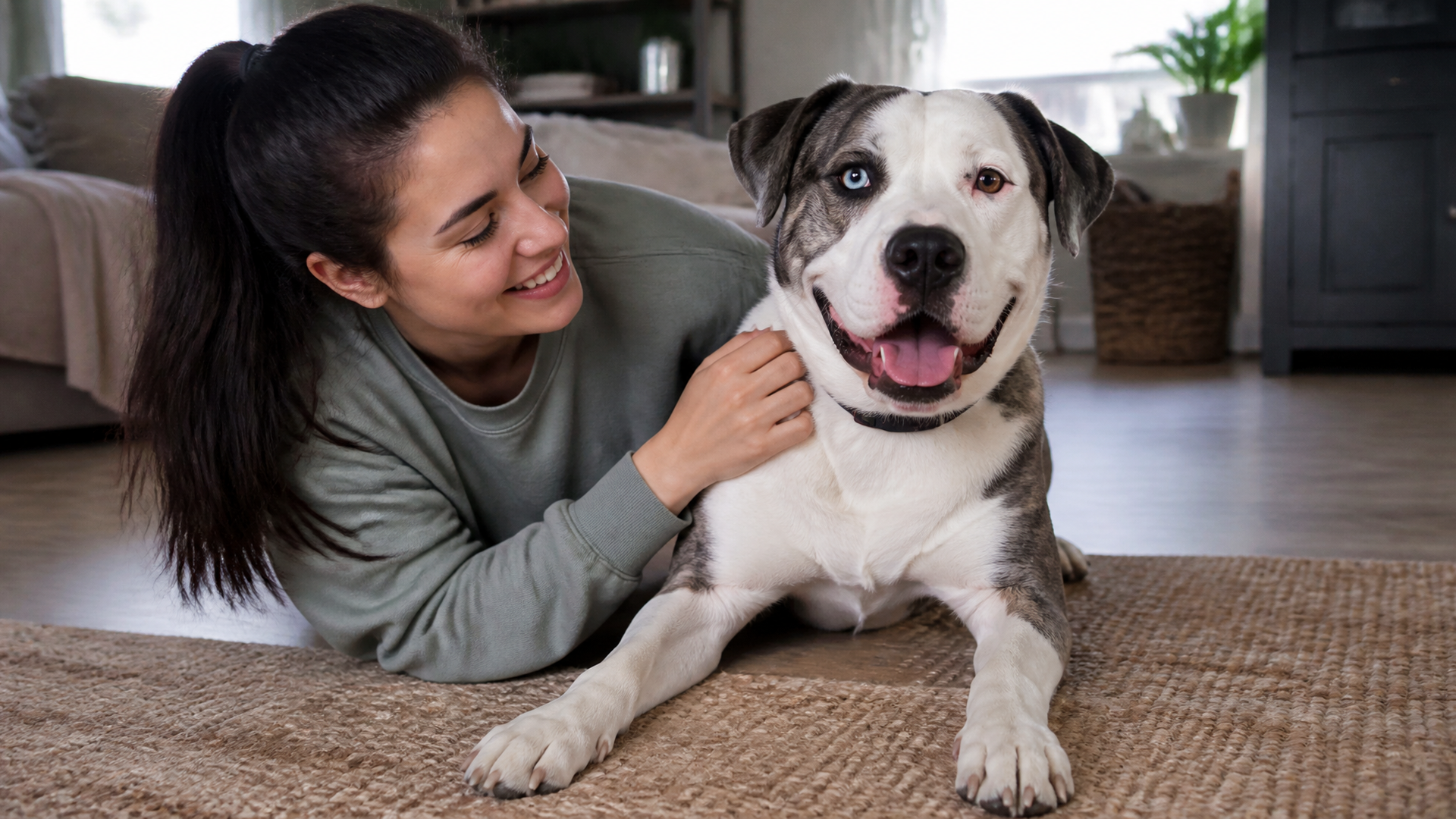
American Bulldog And Husky Mix
This hybrid combines the muscle of an American Bulldog with the stamina of a Siberian Husky — and the result is not the couch potato most people expect. If you’re picturing a low-energy bulldog-type that naps all day, stop right there. The Husky side dominates the drive, the energy, and the stubbornness. This dog needs 60–90 minutes of daily exercise, consistent training from puppyhood, and an owner who can outthink a smart, willful animal.

First things first: This mix is not for beginners. If you’re an experienced owner with a fenced yard and a high tolerance for shedding, keep reading. If you live in an apartment or have a sedentary lifestyle, this isn’t the right match.
What to Expect in the Looks Department
This hybrid’s appearance is a genetic lottery. You might get the blocky head and deep chest of the Bulldog, or the leaner, longer frame of the Husky. Here’s the typical range:
| Feature | Possible Range |
|---|---|
| Height | 20–25 inches at shoulder |
| Weight | 50–85 lbs (females on lower end) |
| Coat | Short to medium double coat |
| Colors | White, black, brindle, tan, gray, or combinations |
| Eyes | Brown, blue, or one of each |
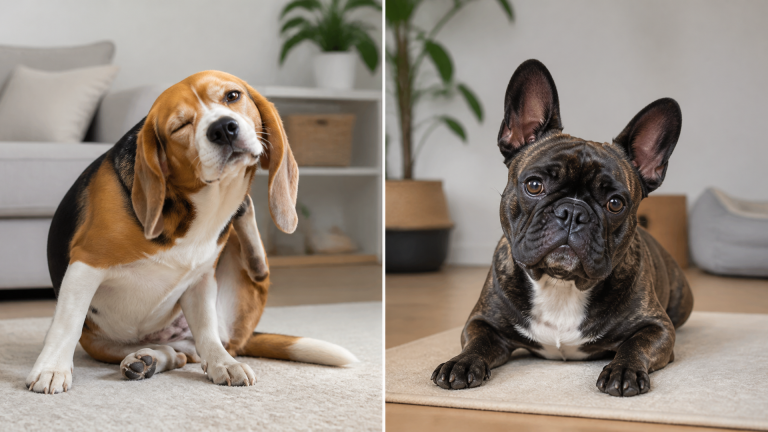
| Ears | Floppy (Bulldog-like) or pointed (Husky-like) |
The most common look is a muscular, medium-to-large dog with a broad chest, strong legs, and a face that blends the Bulldog’s pushed-in muzzle with the Husky’s alert expression.
Temperament: Loyal, Stubborn, and Full of Energy
This dog bonds intensely with its family — expect a devoted watchdog who wants to be involved in everything. But that devotion comes with a serious independent streak from both parents.
Key Personality Traits
- High intelligence – Learns fast but gets bored faster. Repetition without variety backfires.
- Stubbornness – Both parent breeds are famously independent. This mix will test boundaries regularly.
- Prey drive – The Husky side brings a strong chase instinct that can be a problem around small animals.
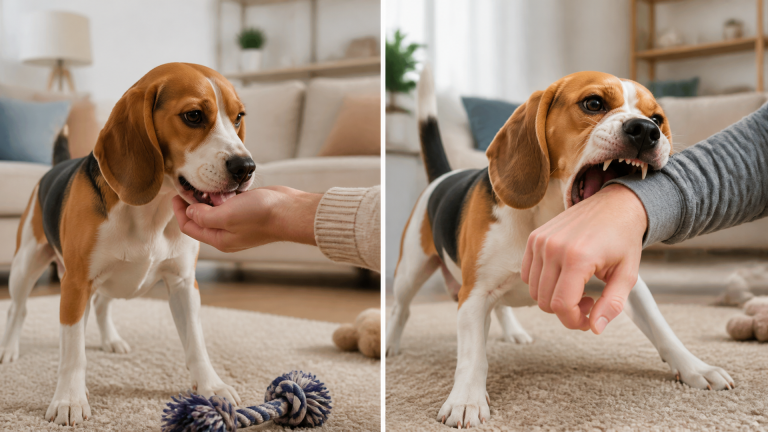
- Protectiveness – The American Bulldog influence makes this mix naturally wary of strangers. Early socialization is non-negotiable.
- Vocal tendencies – Huskies are talkative; Bulldogs can be grumbly. Expect whines, barks, and dramatic conversational moments.
Practical implication for owners: If you live in a neighborhood with many small pets (cats, rabbits, even small dogs), this mix’s prey drive can create dangerous situations. You must have total control — either a securely fenced yard and reliable recall, or a leash at all times. Many owners find they can never fully trust this mix around cats, even with early socialization.
Training: Start Early, Stay Consistent
This mix requires an owner who can be firmer than the dog — without being harsh. Positive reinforcement works, but you need to out-stubborn them.
The First 4 Steps That Actually Work
1. Start socialization at 8–10 weeks – Introduce your puppy to different people, dogs, surfaces, and sounds every single week. A poorly socialized adult mix can become reactive.
2. Use high-value rewards – Kibble won’t cut it. Keep training treats small, smelly, and reserved for training only. Freeze-dried liver or small cheese cubes work well.
3. Keep sessions short (5–10 minutes) – Smart and stubborn dogs shut down when bored. End on a success, then play.
4. Teach a reliable recall early – This mix has a high prey drive and may ignore you if a squirrel runs by. Practice recall in low-distraction areas first, then build up.
Expert Tip #1: Never repeat commands when the dog ignores you. Say it once, wait 3 seconds, then physically guide or lure the behavior instead. Common mistake: Repeating “sit-sit-sit-sit” teaches the dog that the real cue is multiple repetitions. You weaken your authority.
Expert Tip #2: Use a front-clip harness for loose-leash walking, not a flat collar. This mix can pull hard enough to drag an adult. A front-clip harness gives you mechanical leverage without choking. Common mistake: Using a retractable leash. This dog can hit 30 mph in seconds, and the handle can cause serious injury if grabbed or if it wraps around a leg.
Expert Tip #3: Add a flirt pole to your exercise toolkit. It mimics prey movement, satisfies the chase instinct, and exhausts this mix faster than a walk ever will. A 10-minute session with a flirt pole equals about 30 minutes of walking in mental and physical output. Common mistake: Using a toy that’s too small and gets swallowed. Choose a flirt pole with a sturdy, washable lure.
Training Friction Points to Watch For
- Leash pulling – Start loose-leash walking training immediately with a front-clip harness. If you skip this, the dog will drag you for life.
- Selective hearing – When focused on something interesting, this dog may act like you don’t exist. Don’t take it personally — increase your reward value instead.
- Boredom shutdown – If training feels repetitive, switch to a different skill or take a play break.
Concrete verification step: After a week of consistent training, test your progress by calling the dog with a known command (like “come”) at a moderate distance (10–15 feet) in a low-distraction area. If the dog responds within 3 seconds, you’re on track. If not, go back to a higher-value treat and shorter distance.
Exercise Needs: This Is a High-Mileage Dog
Plan for 60–90 minutes of exercise daily, split into at least two sessions. Without it, expect chewing, digging, barking, and escape attempts — Huskies are famous jumpers and diggers, and this mix inherits those instincts.
Daily Exercise Checklist
| Activity | Minutes | Notes |
|---|---|---|
| Brisk walk or jog | 30–40 | Use a front-clip harness |
| Off-leash play in fenced area | 20–30 | Only if recall is reliable |
| Mental stimulation | 15–20 | Puzzle toys, nose work, training games |
| Tug or fetch | 10–15 | Great outlet for the Bulldog drive |
Realistic mismatch: This mix does not do well in apartments. Even if you commit to long walks, the lack of a yard for free movement often leads to frustration. Many apartment owners find that despite their best efforts, the dog is still destructive or noisy. A house with a securely fenced yard (6-foot fence minimum — they jump) is strongly recommended.
Success checkpoint: Your dog should be calmly resting (not pacing, whining, or destroying things) after exercise sessions. If they’re still wired, bump up the intensity or duration, or add more mental stimulation.
Grooming: Prepare for Shedding (Serious Shedding)
The double coat sheds constantly, and twice a year (spring and fall) you’ll get a “coat blow” where clumps come out by the handful.
Grooming Schedule That Works
- Brush 3–4 times per week – Use an undercoat rake during shedding seasons and a slicker brush for regular upkeep. During blowout season, brush daily.
- Bathe every 6–8 weeks – More often strips natural oils from the double coat.
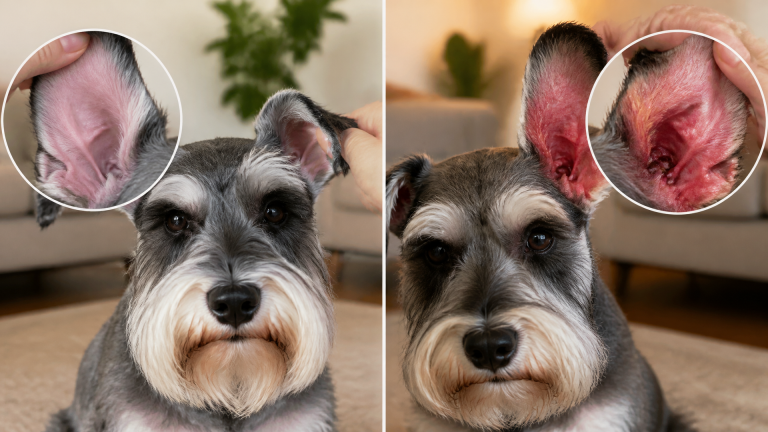
- Check ears weekly – Floppy ears (if the Bulldog side dominates) trap moisture and debris. Wipe with a vet-approved ear cleaner.
- Trim nails every 3–4 weeks – You’ll hear clicking on hard floors when they’re too long.
- Brush teeth 2–3 times per week – Both parent breeds are prone to dental issues.
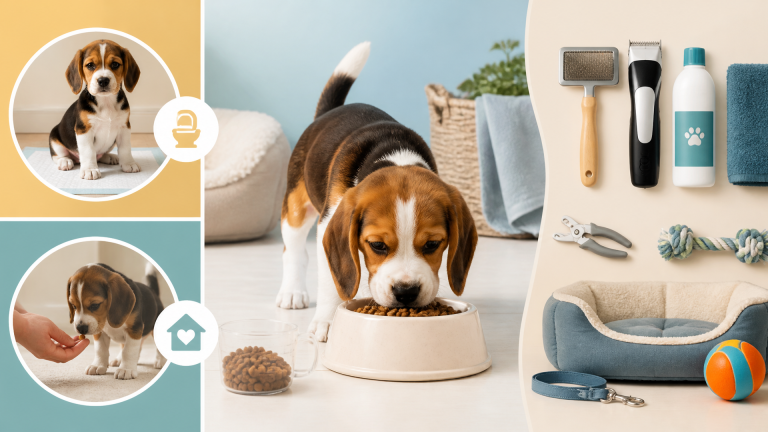
Recommended grooming tools for this mix:
- Undercoat rake (FURminator or a budget alternative)
- Slicker brush
- Shedding blade
- High-velocity dryer (optional but excellent for blowouts)
Critical grooming mistake to avoid: Never shave the double coat unless a vet recommends it for medical reasons. The undercoat insulates against heat and cold. Shaving ruins the coat’s temperature regulation and can cause permanent damage to the hair follicles.
Health: What to Watch For
Both parent breeds bring their own health concerns. A responsible breeder screens for these issues, but rescue mixes may have unknown histories.
Common Health Issues in This Mix
| Condition | Parent Link | Signs to Watch |
|---|---|---|
| Hip dysplasia | Both | Limping, difficulty rising, decreased activity |
| Elbow dysplasia | Bulldog | Stiff front legs, favoring one leg |
| Eye problems (cataracts, PRA) | Husky | Bumping into objects, cloudy eyes |
| Skin allergies | Bulldog | Itching, redness, hot spots, ear infections |
| Hypothyroidism | Both | Weight gain, lethargy, coat thinning |
| Bloat (GDV) | Bulldog | Distended belly, unproductive retching, restlessness — emergency |
When to Call the Vet
- Your dog retches without producing anything (suspected bloat — go immediately)
- Limping that lasts more than 24 hours
- Sudden eye cloudiness or squinting
- Unexplained weight gain with low energy
Escalation signal for bloat: If your dog’s belly looks swollen and they’re trying to vomit without success, do not wait — this is life-threatening. Every minute counts.
Lifespan outlook: 10–14 years is realistic with good care, proper weight management, and routine vet checkups.
Feeding: Fuel for an Active Dog
Feed a high-quality dog food with at least 25–30% protein. Active adult mixes need roughly 2.5–4 cups of dry food daily, split into two meals.
Feeding Guidelines
| Life Stage | Meals Per Day | Daily Amount |
|---|---|---|
| Puppy (2–6 months) | 3–4 | 1–2.5 cups |
| Puppy (6–12 months) | 3 | 2.5–3.5 cups |
| Adult (1–7 years) | 2 | 2.5–4 cups |
| Senior (8+ years) | 2 | Adjust based on activity and weight |
Important: Feed two smaller meals instead of one large meal. This reduces the risk of bloat, which is higher in deep-chested dogs like the Bulldog parent. Use a slow feeder bowl if your dog inhales food.
Practical verification step: After feeding, monitor your dog for 30 minutes. If they seem restless, pace, or try to vomit, that’s a red flag. Also check that your dog maintains a healthy weight — you should be able to feel ribs without pressing hard, and see a visible waist from above.
Finding Your American Bulldog Husky Mix
Adoption (Recommended)
Check breed-specific rescues and local shelters. American Bulldog Rescue and Husky Rescue organizations often see mixes. Adoption fees typically range from $150–$400 and include spay/neuter, vaccinations, and microchipping.
Responsible Breeder
If you choose a breeder:
- Ask for health clearances (hip and elbow scores, eye exams, thyroid tests)
- Meet at least one parent (ideally both)
- Visit the facility in person
- Expect to pay $800–$2,000
- Walk away if the breeder can’t answer health questions or has multiple litters available year-round
Save This Guide
The American Bulldog Husky mix is a loyal, high-energy companion for experienced owners who can match their exercise needs and stubborn streak. This hybrid needs daily physical activity, consistent training, and heavy-duty grooming tools. If you can provide structure and patience, you’ll get a devoted family protector.
Key takeaway: This mix is not a beginner’s dog, but for the right owner, the reward is a smart, athletic, and intensely loyal companion.
We include product recommendations that may earn us a small affiliate commission at no extra cost to you. We only recommend products we genuinely believe help you care for your pet.
FAQ: American Bulldog and Husky Mix
Are American Bulldog Husky mixes good with kids?
Yes, with early socialization and supervision. They are generally patient and protective with children, but their high energy can accidentally knock over toddlers. Always teach kids how to interact respectfully with dogs.
Do they do well in apartments?
Not ideal. Apartment living is possible only if you commit to daily exercise, mental stimulation, and training. This mix needs space to move — a house with a fenced yard is far better.
How much do they shed?
A lot. Year-round shedding with two heavy blowout seasons. Daily brushing during blowouts is necessary to keep the fur manageable.
Are they good with other dogs?
It varies. The Bulldog side can be dog-selective, especially with same-sex dogs. Early and ongoing socialization helps, but this mix may prefer being the only dog in the household.
How long do they live?
Typically 10–14 years with proper care, weight management, and regular veterinary checkups.