Beagle Com Pitbull: Guide: What Every Owner Should Know
The Beagle Pitbull mix combines the nose-driven determination of a Beagle with the strength and loyalty of a Pitbull. This hybrid is energetic, affectionate, and makes a great family dog — but only if you provide consistent training, plenty of exercise, and early socialization. The counter-intuitive truth: this mix needs MORE mental work than physical work. Here’s exactly what to expect and how to handle the most common challenges.

Read This Before You Buy a Beagle Pitbull Mix
If you’re considering this mix, here’s the practical truth: this dog will test your patience before it becomes your best friend. Most owners underestimate the stubborn streak. The Beagle side wants to follow scents for miles; the Pitbull side needs a firm, consistent leader. If you’re a first-time owner who wants a dog that naturally listens, this mix may frustrate you.
The honest trade-off: You get a deeply loyal, protective dog that bonds intensely to its family. But you also get a high-energy, boundary-testing companion that will howl, pull on leash, and chew if under-stimulated. If you cannot commit to 60+ minutes of daily activity plus structured training sessions, consider a lower-energy breed.
What a Beagle Pitbull Mix Looks Like (Size, Coat & Temperament)
| Trait | Typical Range |
|---|---|
| Weight | 25–55 lbs |
| Height | 15–20 inches at shoulder |
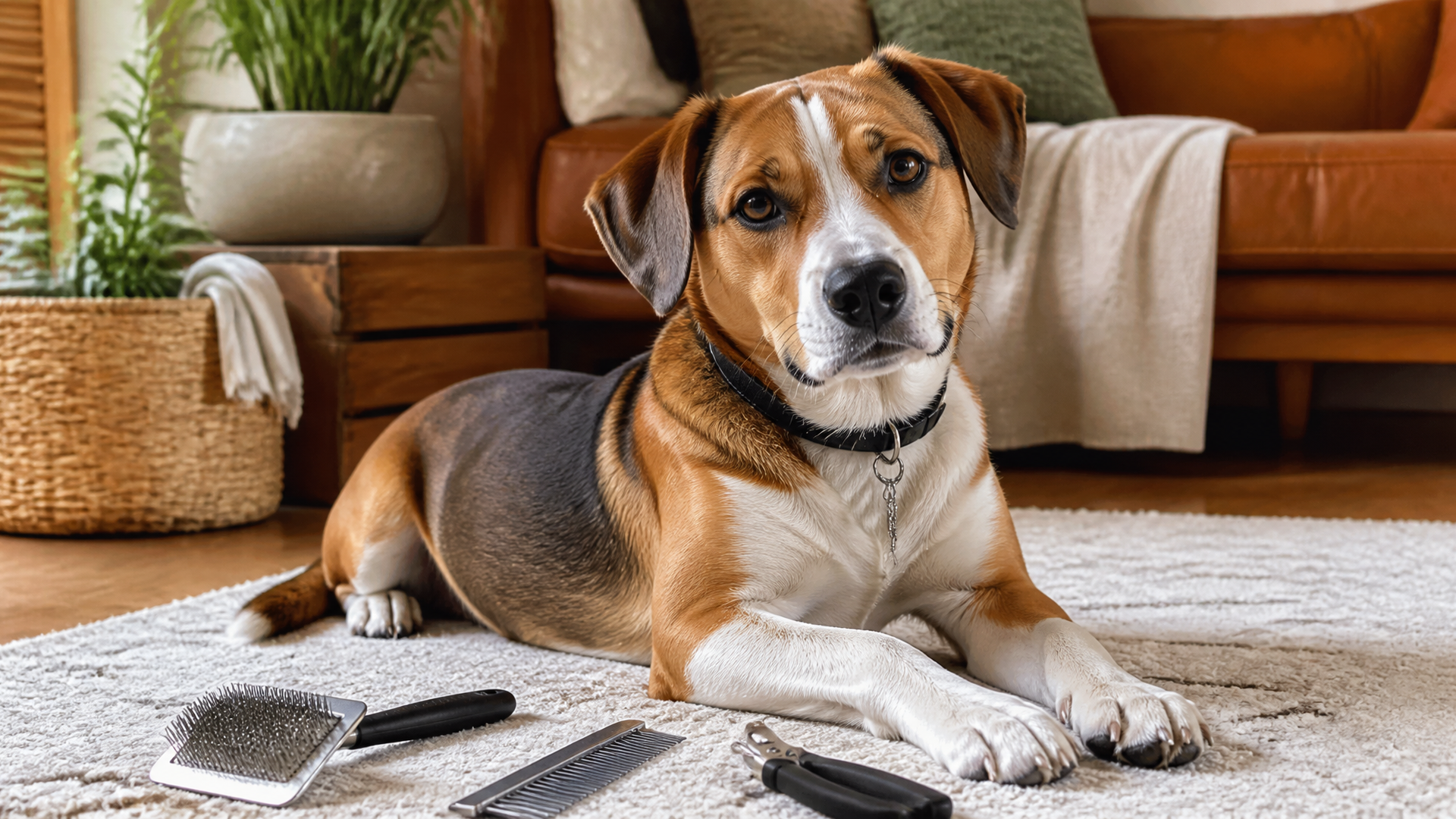
| Coat | Short, dense; brindle, tri-color, or solid with white markings |
| Lifespan | 10–15 years |
| Temperament | Friendly, energetic, stubborn, loyal, alert |
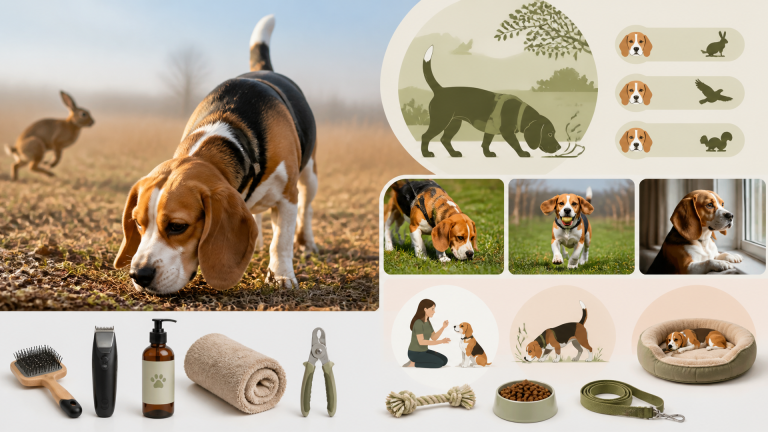
Beagle traits: High prey drive, barking/howling, independent, nose-first thinking.
Pitbull traits: Confidence, protective streak, high energy, people-oriented.
Realistic mismatch to watch for: A 55-pound Beagle Pitbull mix with full Pitbull strength and a Beagle’s prey drive can easily pull you off your feet. If you have young children or elderly family members walking the dog, a front-clip harness is non-negotiable. Standard collars won’t give you enough control.
Training a Beagle Pitbull Mix: What Works (and What Doesn’t)
This mix is smart but hard-headed. Training must be consistent from day one.
3 Training Tips That Actually Stick
| Tip | Actionable Step | Common Mistake to Avoid |
|---|---|---|
| Start leash training with a no-pull harness | Use a front-clip harness (PetSafe Easy Walk or Ruffwear Front Range) from day one. | Using a retractable leash — it reinforces pulling and lets the dog chase scents too far. |
| Use high-value treats for focus | Small, smelly treats (freeze-dried liver, cheese pieces) work better than kibble. Use them for recall and loose-leash walking. | Using the same low-value treat for everything — the dog will lose interest quickly. |
| Practice “leave it” daily | Teach “leave it” first with a low-value item indoors, then progress to outdoor distractions. Do short 5–10 minute sessions. | Only practicing indoors — you need to proof the behavior where real temptations exist (other dogs, dead animals, dropped food). |
What Doesn’t Work: 3 Real Failures
1. Using a choke chain or prong collar – This mix is strong and pain-tolerant. Punishment-based tools often increase anxiety and can trigger a defensive reaction. Stick with positive reinforcement.
2. Free-feeding – Leaving food out all day encourages overeating and makes house training harder. Beagles are notorious for eating anything anytime. Measure meals and use a slow feeder bowl.
3. Skipping socialization until adulthood – Both parent breeds can develop fear-based aggression if not exposed to new people, dogs, and situations before 16 weeks. You cannot skip this window and fix it later without professional help.
How to Check If Your Training Is on Track
At the end of week one of training, your dog should reliably respond to “sit” and “leave it” in a low-distraction environment (your living room). If not, your treats aren’t valuable enough or your sessions are too long. Good signs: eye contact when you say the cue, immediate response, and no whining or avoidance.
Escalation signal: If your adult Beagle Pitbull shows stiff body language, growls, or snaps at other dogs or people despite consistent training, stop all off-leash interactions and work with a certified positive-reinforcement trainer. This is not a phase you can train through alone.
Exercise and Mental Stimulation: The Hidden Key to Good Behavior
A bored Beagle Pitbull will dig, bark, chew, or escape your yard. This mix needs at least 60 minutes of activity daily — but half of that should be mental, not physical.
| Activity Type | Examples | Time Needed |
|---|---|---|
| Physical | Brisk walks, fetch, flirt pole, tug-of-war | 30–40 minutes |
| Mental | Scent games, puzzle toys (Nina Ottosson), nosework | 15–20 minutes |
| Training | Obedience drills, trick practice, “find it” games | 10–15 minutes |
Practical tip for scent-driven dogs: Hide treats around the house or yard for your Beagle Pitbull to find. This taps into the Beagle’s drive and burns more mental energy than a 2-mile run.
Limitation to know: Off-leash hiking is risky unless your recall is 100% reliable. This mix can follow a scent for a mile and will not come back when it finds something interesting. Use a long line (30–50 feet) for controlled freedom.
For most owners, the practical takeaway is: Plan for active, structured play — not just letting the dog loose in the yard. A fenced yard alone won’t exercise this dog properly unless you’re out there interacting.
Health and Care Checklist (Save This)
Both parent breeds have common health issues. Check these regularly:
- Ear infections – Beagles have floppy ears. Clean weekly with a vet-approved ear cleaner. Redness, odor, or head shaking means it’s time for a vet visit.
- Hip dysplasia – Common in larger Pitbull lines. Keep your dog lean (you should feel ribs easily). Avoid high-impact jumping before 18 months of age.
- Allergies – Pitbulls often have skin or food allergies. If your dog licks paws constantly or has red patches, try an elimination diet with your vet.
- Obesity – Both breeds gain weight easily. Measure meals, limit treats to 10% of daily calories, use a slow feeder bowl.
- Hypothyroidism – Can cause weight gain, hair loss, and lethargy. Annual bloodwork catches it early.
Weekly Health Quick-Reference
| Task | Frequency |
|---|---|
| Brush coat | 2–3 times per week (rubber curry brush like Kong ZoomGroom) |
| Check ears | Once weekly |
| Trim nails | Every 2–4 weeks (or when you hear clicking on floors) |
| Brush teeth | Ideally daily; at least 3x per week with enzymatic toothpaste |
Product recommendations: Use a rubber curry brush (Kong ZoomGroom) for the short coat, a nail grinder (Dremel 7300) for smooth nails, and enzymatic toothpaste for dogs (Virbac C.E.T.).
Feeding Your Beagle Pitbull Mix
Because both parent breeds gain weight easily, portion control matters more than brand.
- Puppy (2–12 months): Feed 3 meals per day of a high-quality large-breed puppy formula (Purina Pro Plan or Hill’s Science Diet). Follow bag guidelines by weight, adjust based on body condition.
- Adult (1+ year): Feed 2 meals per day. A 40-pound dog typically needs 1.5–2 cups of dry food daily, but check the label on your specific food.
- Senior (7+ years): Switch to a senior formula and monitor for weight changes. Many Beagle mixes sneak food from counters or trash — keep counters clear.
Stop signal: If you cannot feel your dog’s ribs without pressing, cut portions by 10% and increase exercise. If ribs are visible, add 10% to meals.
When to Call the Vet (Warning Signs)
| Sign | What It Could Mean | Action |
|---|---|---|
| Limping or reluctance to jump | Hip dysplasia, luxating patella, or ligament injury | Vet visit within 48 hours |
| Excessive paw licking or scratching | Allergies or ear infection | Schedule vet visit |
| Sudden change in appetite or thirst | Hypothyroidism, diabetes, or bloat | Emergency if accompanied by vomiting |
| Constant howling that doesn’t stop | Separation anxiety | Consult a vet behaviorist |
Emergency signs (go to ER immediately): Bloated belly (suspected bloat), collapse, difficulty breathing, seizure, or inability to urinate.
Save This Guide
A Beagle Pitbull mix is a loyal, loving companion — but only if you provide consistent training, mental stimulation, and structured exercise. The biggest mistake owners make is underestimating the mental work this dog needs. Prioritize nosework, puzzle toys, and daily training sessions over just running your dog. Bookmark this page for quick reference.
Affiliate Disclosure: Some product links in this article are affiliate links. We may earn a small commission at no extra cost to you.