American Burmese vs European Burmese
The American Burmese is stockier, with a rounded head and a wider range of accepted colors. The European Burmese is sleeker, with a longer face and a more limited color palette. Your choice comes down to which look you prefer and whether you want a cat that tends to be slightly more vocal (European) or a bit more laid-back (American).

After reading this guide, you’ll be able to confidently pick the Burmese type that fits your home and know the specific traits to verify with any breeder you contact.
This comparison applies to cats bred to either the CFA (American) or TICA/GCCF (European) standard. If you’re looking for a show cat, the registry your breeder follows locks you into one type. For a family pet, both types make wonderful companions, but temperament and noise levels differ more than many buyers realize.
Quick Answer
| Feature | American Burmese | European Burmese |
|---|---|---|
| Body type | Cobby, rounded, heavy for size | Slender, more elongated, elegant |
| Head shape | Round, short muzzle | Wedge-shaped, longer muzzle |
| Eyes | Large, round, set wide apart | Oval, slightly slanted |
| Coat colors (CFA standard) | Sable, champagne, blue, platinum | Brown, blue, chocolate, lilac, red, cream, tortie |
| Temperament | Affectionate, playful, less vocal | Active, talkative, people-oriented |
| Vocal level | Quiet – purrs more than meows | Loud, persistent meowing |
| Lifespan | 12–16 years | 12–16 years |
| Grooming | Low-maintenance, weekly brush | Low-maintenance, weekly brush |
The breed standards vary by registry. The Cat Fanciers’ Association (CFA) only recognizes the American type. The International Cat Association (TICA) accepts both. This affects show eligibility but not day-to-day companionship.
To verify which type a kitten is, ask the breeder for the parents’ pedigree papers or registry numbers. Look at the head shape in person – an American Burmese has a round, short-muzzled face with a visible nose break, while the European has a longer muzzle with a gentle slope. You can also check the CFA or TICA breed standard photos side by side.
Best-Fit Picks by Use Case
Choose the American Burmese if…
- You want a cat that looks like a “brick wrapped in silk” – solid, muscular, and rounded.
- You prefer a calmer energy level that still enjoys playtime.
- You want more coat color options (especially champagne or platinum).
- You live in an apartment or smaller space where a slightly quieter cat fits better.
Choose the European Burmese if…
- You admire a sleeker, more refined silhouette.
- You enjoy a cat that “talks” back and stays by your side constantly.
- You want a wider selection of red, cream, or tortie coats.
- You have other pets or children – Europeans tend to be highly social and often seek out playmates.
Trade-Offs to Know
Activity level. European Burmese need two or more hours of interactive play daily. If you’re away all day, an American Burmese may adapt better to a relaxed routine. Many owners underestimate the European’s need for engagement – a bored European may knock items off shelves, scratch furniture, or develop obsessive meowing.
Noise level mismatch. European Burmese are notorious for their loud, grating voices when they want attention. American Burmese purr more than meow. If you work from home and need quiet, the European’s constant chatter can become frustrating. Listen to recordings of European Burmese meows online before committing – don’t rely on written descriptions alone.
Color restrictions. American Burmese kittens are limited to four solid colors in CFA shows. If you’re not showing, this doesn’t matter, but it affects breeder availability. If you fall in love with a red or cream coat, you’ll need a European breeder – and they are rarer in the US, often requiring a waitlist or travel.
Health concerns. Both types share a risk of diabetes, obesity, and gingivitis. European lines may have a slightly higher incidence of Burmese head defect (fatal in utero), so reputable breeders run genetic tests. Always ask for proof of negative genetic testing for head defect before making a deposit. Failure to verify could mean losing a kitten to a preventable condition.
Quick Decision Checklist
Use these five checks to narrow your choice. Pass each item by selecting the type that fits your situation.
1. Body preference – Do you like a round, compact cat (American) or a longer, leaner cat (European)?
2. Color priority – Do you want a champagne or sable coat (American) or a red or cream coat (European)?
3. Noise tolerance – Can you handle a chatty cat that demands replies, or do you prefer a quieter companion?
4. Activity match – Are you home often enough to give a European Burmese two hours of interactive play daily?
5. Breeder access – Are there reputable breeders in your area for the type you want? American Burmese breeders are more common in the US.
If you answered “American” to three or more, lean American. If you answered “European” to three or more, lean European. A tie means either type will work – pick the kitten that steals your heart, but be prepared for the trade-offs listed above.
Care at a Glance
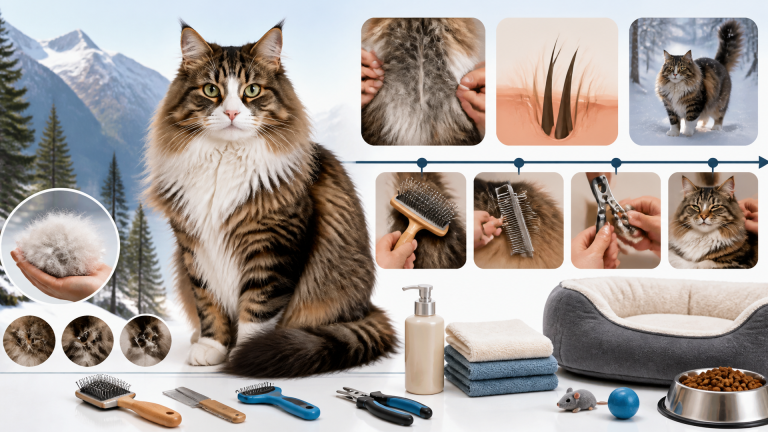
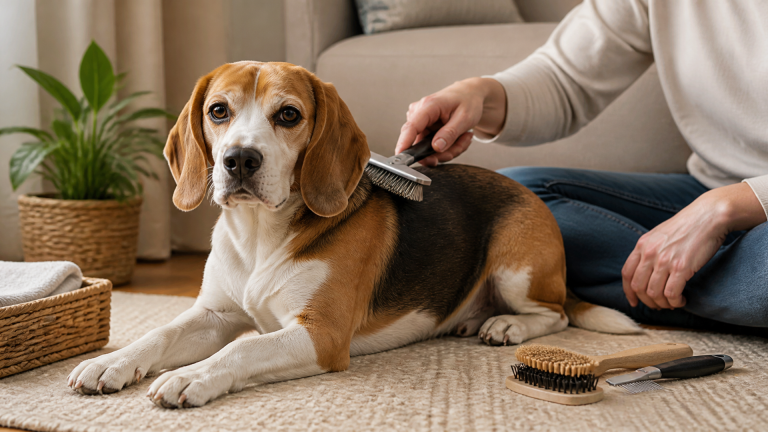
Grooming routine. Brush once weekly with a rubber grooming mitt or soft bristle brush – a FURminator grooming mitt works well for their short coats. They shed lightly year-round and rarely need baths. Check ears monthly for wax buildup.
Feeding guidelines. Feed high-quality wet food (like Wellness CORE or Tiki Cat) to reduce diabetes risk. Measure portions precisely – Burmese cats love food and will beg nonstop. An automatic feeder can prevent overfeeding if you’re away during the day.
Enrichment needs. Provide puzzle feeders, cat trees, and window perches. European Burmese respond well to clicker training – try a Catit Senses 2.0 activity center. Without enough stimulation, Europeans may develop separation anxiety.
Health monitoring. Schedule annual vet visits with dental cleanings. Brush teeth weekly with a pet-safe toothpaste like Virbac CET. Watch for weight gain – a healthy Burmese should have a visible waistline when viewed from above. If your cat stops eating or becomes lethargic, call your vet immediately.
Nail trim steps
1. Press the paw pad gently to extend a claw.
2. Clip only the clear tip – avoid the pink quick.
3. Reward with a treat after each paw.
We may earn a commission from purchases made through links on this page.
Related Questions
Can American and European Burmese mate? Yes, they can produce kittens, but the offspring won’t match either breed standard perfectly. Most registries require purebred parents of the same type for registration.
Which breed lives longer? Both average 12–16 years with proper care. Longevity depends more on diet, exercise, and regular vet visits than on type.
Are Burmese cats good with dogs? Yes, both types are confident and social. Early socialization helps. European Burmese may be more dog-tolerant because of their higher energy and playful nature.
Do Burmese cats need a lot of attention? Yes, all Burmese cats are people-oriented and don’t do well left alone for long hours. The European type is especially demanding. Consider getting two kittens if you work outside the home – they’ll keep each other company.
Where can I find a reputable breeder? Start with the CFA or TICA breeder directories. Ask for proof of genetic health testing (including head defect for Europeans) and visit the cattery in person if possible. Avoid breeders who can’t show you the parents or who offer both types without clear pedigree documentation.
Save This Guide: Whether you choose the stocky, round American Burmese or the sleek, chatty European Burmese, both will give you a devoted lap companion. Use the checklist above to match your lifestyle, and always adopt from a breeder who prioritizes health over looks. Your perfect Burmese is out there – you just need to know what you’re looking for.