Bichon Lifespan: Guide: What Every Owner Should Know
A healthy Bichon Frise lives 12 to 15 years, with many reaching 15 or even 16–17 with the right care. This makes them one of the longer-lived small breeds — but those extra years aren’t automatic. Your daily habits directly shape how many healthy years you get together.

Here’s exactly what affects your Bichon’s lifespan and the specific actions that help them thrive into their golden years.
The Short Answer: Bichon Lifespan in Years
Most Bichons fall within this range:
- Average lifespan: 12–15 years
- With exceptional care: some reach 16–17 years
- Extremely rare: 20 years (requires perfect genetics and environment)
Genetics, diet, exercise, and managing breed-specific health risks decide where your Bichon lands on that scale. But here’s the practical takeaway: you have more control than you think. If you own a Bichon right now, the choices you make this month — what you feed, how you clean their teeth, and how often you monitor their weight — will directly determine whether they hit the lower or upper end of that range. Switching to a urinary-health diet or starting daily brushing today adds real years, not just hopes.
What Actually Shortens a Bichon’s Life (and How to Prevent It)
Bichons are sturdy for their size, but three factors are the biggest lifespan-limiting risks. Catch these early and you add years.
1. Dental Disease Is the #1 Preventable Threat
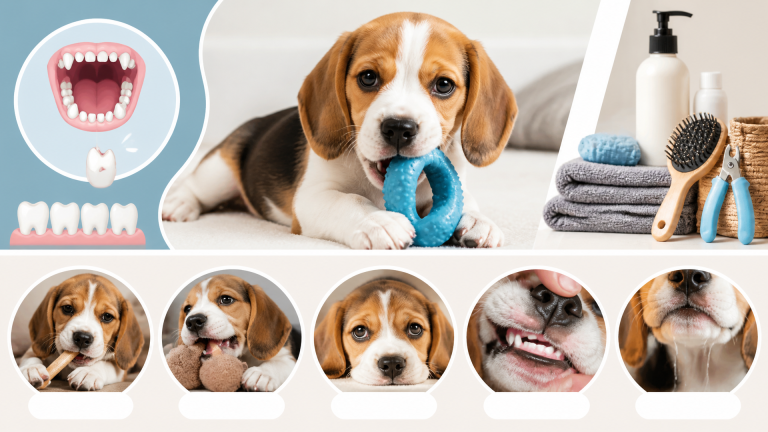
Small-breed mouths are crowded — plaque hardens into tartar within 48 hours. Untreated gum disease lets bacteria enter the bloodstream, damaging the heart, liver, and kidneys.
What to do: Brush daily using a dog-specific enzyme toothpaste (like Virbac C.E.T. or Petsmile — links may be affiliate) and a finger brush. Annual professional cleanings under anesthesia are also essential.
How to verify your dog’s dental health at home: Lift their lip and look at the gum line along the upper back teeth — that’s where tartar builds first. Healthy gums are pink and tight against the tooth. If you see a red line, swelling, or brown buildup, schedule a vet cleaning within the month. Don’t wait for bad breath.
Common mistake: Thinking “crunchy kibble cleans teeth.” Most Bichons swallow kibble whole — it does nothing for their teeth.
2. Bladder Stones and Urinary Issues
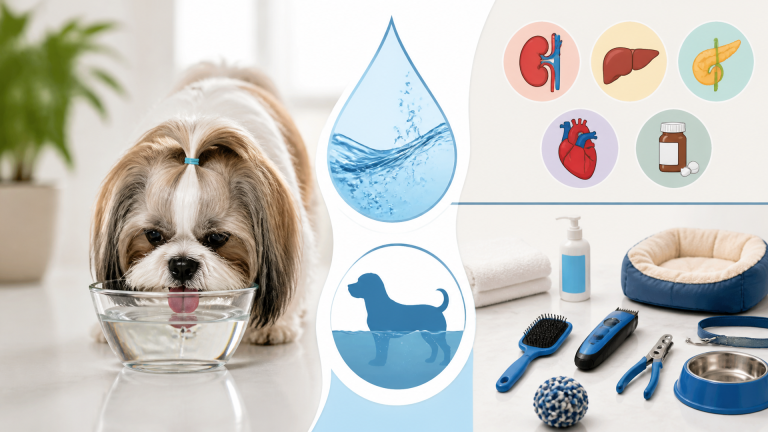
Bichons are genetically prone to struvite and calcium oxalate stones. These can block the urethra (a life-threatening emergency) and lead to chronic kidney damage.
What to do: Feed a diet formulated for urinary health (e.g., Royal Canin Urinary SO or Hill’s c/d — links may be affiliate). Always provide fresh water. Watch for straining, blood in urine, or accidents in the house.
Important trade-off: Urinary diets are prescription-only for a reason — they alter urine pH and mineral content. If your Bichon also has food allergies, you cannot simply mix a urinary diet with a limited-ingredient diet. Switching to a dedicated urinary food may resolve stones but could trigger allergies. Work with your vet to find a single food that covers both needs, or ask about a hydrolyzed protein urinary option. Don’t combine two brands in the bowl; it can throw off the mineral balance and make stones more likely.
Common mistake: Free-feeding low-quality food with high mineral ash content. This increases stone risk.
3. Obesity Strains Every System
Two extra pounds on a 12-pound Bichon is like 25 extra pounds on a human. Excess weight worsens arthritis, heart disease, diabetes, and surgical risk.
What to do: Weigh your Bichon monthly. Measure food portions with a kitchen scale (not a scoop). Limit treats to 10% of daily calories — a single milk bone is roughly equivalent to a hamburger for a human.
Common mistake: “Just a little extra” in the bowl or too many training treats. Overweight Bichons consistently die younger.
How Bichon Lifespan Compares to Other Small Breeds
| Breed | Average Lifespan |
|---|---|
| Bichon Frise | 12–15 years |
| Shih Tzu | 10–16 years |
| Havanese | 13–15 years |
| Maltese | 12–15 years |
| Miniature Poodle | 12–15 years |
| Cavalier King Charles Spaniel | 9–14 years |
Bichons match most small non-sporting breeds, but they tend to outlive Cavaliers, who carry a higher risk of heart disease. If you’re choosing between breeds, the Bichon gives you a longer average window — but only if you stay on top of dental and urinary care.
5 Daily Checks That Add Years to Your Bichon’s Life
Run through these every morning — each takes under 30 seconds. Catch a red flag early and you can often fix it before it becomes a vet visit.
| Check | What to Look For | Pass / Needs Attention | |
|---|---|---|---|
| Food & water | Eating and drinking normally? | ☐ Yes | ☐ Off |
| Urination | Peeing normal color and amount? Any straining? | ☐ Normal | ☐ Blood / Straining |
| Energy | Playing, wagging, moving normally? | ☐ Normal | ☐ Lethargic |
| Breathing | No wheezing, coughing, or panting at rest? | ☐ Clear | ☐ Labored |
| Mouth & teeth | Bad breath, red gums, drooling? | ☐ Clean | ☐ Needs check |
If any item is “Needs Attention” for two days in a row, call your vet.
Warning Signs That Need Immediate Veterinary Attention
Bichons hide pain well. Don’t “wait and see” with these symptoms — in a 10–18 pound dog, time is critical.
- Vomiting or diarrhea for more than 12 hours
- Straining to urinate or bloody urine
- Seizures or sudden collapse
- Difficulty breathing or blue-tinged gums
- Not eating for 24 hours
- Yellowing of eyes or gums (liver issue)
- Sudden hind-leg weakness (possible IVDD or disc problem)
For any of these, go to the vet immediately.
3 Expert Tips to Extend Your Bichon’s Lifespan
Tip 1: Start Dental Care Before It’s a Problem
Actionable step: Brush daily with an enzyme toothpaste designed for dogs (like Virbac C.E.T. — link may be affiliate). Use a finger brush for the first week, then switch to a small toothbrush.
Common mistake: Waiting until you see bad breath or brown teeth. By then, gum disease has already started. Prevention is far cheaper and less stressful.
Tip 2: Prevent Bladder Stones Through Diet and Hydration
Actionable step: Choose a food labeled for urinary health or one with controlled calcium and magnesium. Encourage drinking — add a splash of low-sodium chicken broth to water if needed.
Common mistake: Assuming “all premium food is the same.” Bichons have specific urinary risks that some high-protein or boutique diets can worsen. Ask your vet for a formula recommendation.
Tip 3: Keep Your Bichon Lean with Measured Portions
Actionable step: Weigh your dog every month on a bathroom scale (weigh yourself, then yourself holding the dog, and subtract). Use a kitchen scale to portion food by grams, not cups.
Common mistake: Free-feeding or leaving a bowl out all day. Bichons will overeat given the chance. Measured meals at set times keep weight in check.
FAQ: Bichon Lifespan
Can a Bichon Frise live 20 years?
Extremely rare, but possible with exceptional genetics and ideal care. Most top out at 16–17.
At what age is a Bichon considered a senior?
Around 10–11 years old. Switch to twice-yearly vet checkups with bloodwork and dental exam.
Does spaying/neutering affect lifespan?
Generally yes — spaying eliminates uterine infections and reduces mammary cancer risk, while neutering prevents testicular cancer. Timing matters, so discuss with your vet.
What’s the most common cause of death in Bichons?
Cancer (especially lymphoma and bladder cancer) and age-related organ failure are most common, followed by heart disease. Dental disease can contribute to systemic infections if untreated.