Scottish Straight vs Scottish Fold
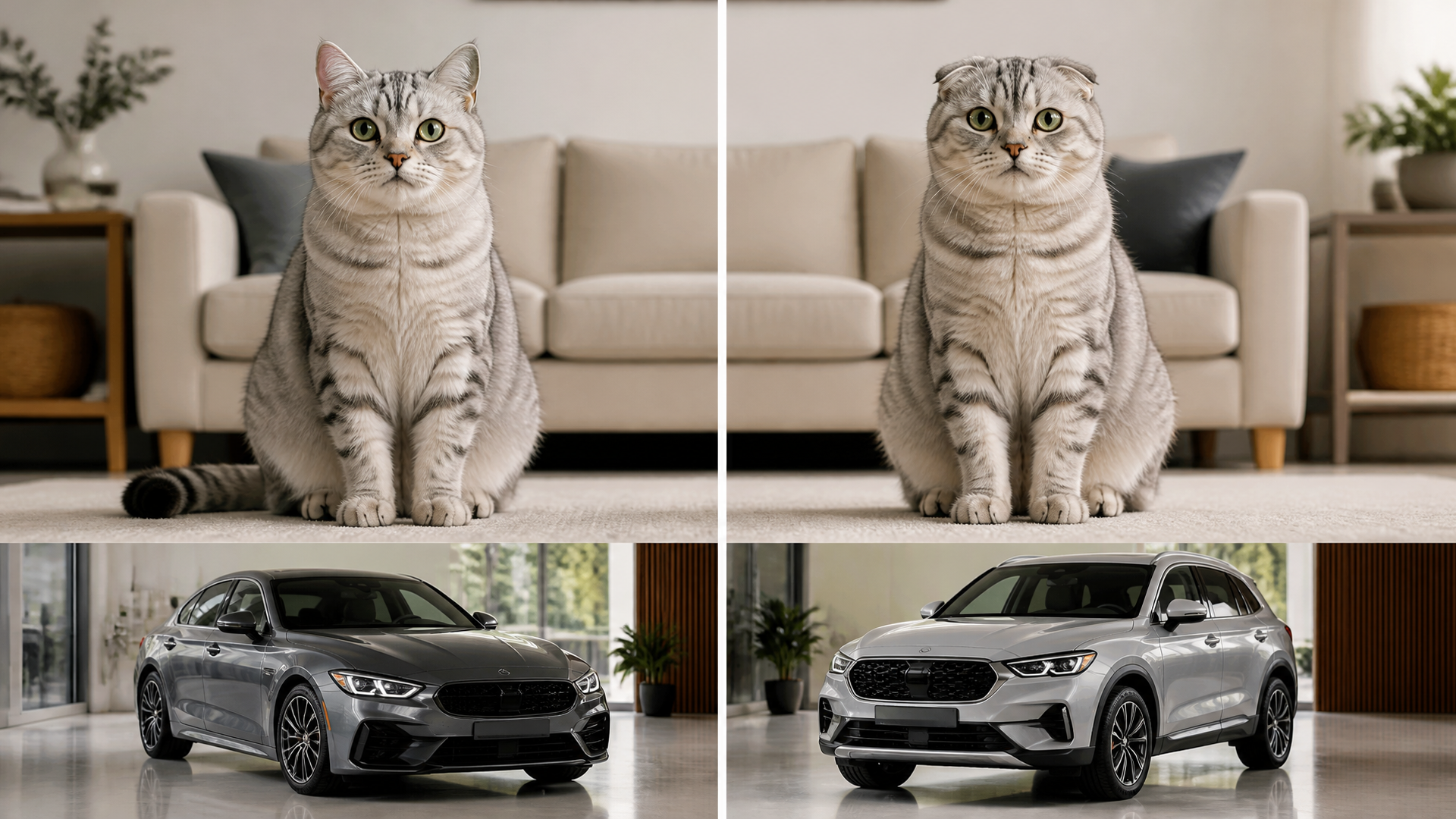
Scottish Folds and Scottish Straights come from the same litter — the only difference is the ear shape. Folds carry a dominant gene that flops their ears forward, while Straights keep normal upright ears. That gene, however, isn’t cosmetic: it causes a cartilage defect that can lead to chronic pain. Many buyers assume folded ears are harmless, but the same faulty protein affects joints throughout the body. Here’s how to choose wisely — and how to spot the warning signs early.

Quick Answer
Choose a Scottish Straight if you want a healthier cat with fewer long-term vet bills. Go with a Scottish Fold only if you’re set on the ears and willing to monitor for joint issues with a responsible breeder who screens for osteochondrodysplasia. Straights are genetically identical in personality, coat, and size — minus the ear mutation. A common mistake is thinking only double-fold (tightly folded) cats are at risk. Even single-fold cats can develop stiff tails, lameness, or bony growths by age two.
Comparison Framework
| Feature | Scottish Fold | Scottish Straight |
|---|---|---|
| Ear shape | Folded forward, small and rounded | Upright, wide at base, rounded tips |
| Genetic health risk | Osteochondrodysplasia possible (even in single-fold cats) | No ear-related health issues |
| Personality | Sweet, calm, people-oriented | Identical — affectionate, quiet, good with kids |
| Grooming | Weekly brushing (shorthair) or daily (longhair) | Same — use a slicker brush and metal comb |
| Activity level | Low-to-moderate; prefers low perches | Same — enjoys feather wands but not hyper |
| Lifespan | 11–15 years (may be shorter with joint issues) | 12–16 years on average |
| Breeder cost | Higher demand, often $1,200–$2,000 | Usually $600–$1,200 |
| Availability | Common in Fold-focused catteries | Less common (often sold as “pet quality” from Fold breeders) |
Decision Checklist
Check which fits your home:
- ☐ Are you okay with a cat that may need joint supplements (like glucosamine) or pain management as it ages? → Fold = yes, Straight = no.
- ☐ Do you want a cat that can fully express mood through ear movements? → Straight wins.
- ☐ Is the unique look a must-have, and are you ready to vet breeders for X-ray health clearances? → Fold, but only after confirming OFA or PennHIP scores on both parents.
- ☐ Can you afford potential extra vet visits for lameness or stiffness? A single X-ray can cost $200–$500. → Straight saves that worry.
- ☐ Do you have young children who might be rough? → Straight handles better; a Fold’s painful joints may reduce tolerance.
If you checked more boxes on the health side, go Straight. If you checked the look side and are ready for extra vigilance, go Fold.
Best-Fit Picks by Use Case
For first-time cat owners
Scottish Straight. You avoid managing a genetic condition that can flare up as the cat ages. Straights need nothing special — just high-quality dry or wet food (try Hill’s Science Diet), a sturdy scratching post, and regular checkups. A low cat tree like the Mauzy 52-inch with multiple perches gives them climbing fun without putting pressure on fragile joints. Many breeders downplay Fold risks, so this choice sidesteps that worry entirely.
For families with young kids
Either works, but Straights lower the risk. Both breeds are famously gentle and patient, but a Scottish Fold’s painful joints might make it less tolerant of rough handling. A Straight can handle typical toddler-level activity without flinching. Teach kids to pet gently and avoid tail pulling — especially important for Folds.
For someone who wants the unique look
Scottish Fold — but only from a breeder who tests parents for osteochondrodysplasia using X-rays before breeding. Ask for OFA or PennHIP hip scores on both parents. If the breeder can’t provide them, walk away. This is the single most common failure point: new owners fall for the ears and skip health clearance. A healthy Fold is possible, but not guaranteed. Many recommendations to “just get the Fold if you love the ears” ignore that painful reality.
For apartment or quiet home living
Both are ideal. They’re not vocal, not destructive, and content with window perches and interactive toys. A Feather Wand from SmartyKat keeps either breed entertained for short play sessions. Provide low platforms (ramps are better than tall cat trees) if you choose a Fold, and watch for stiffness when using the litter box — an early sign of trouble.
Trade-offs to Know
- The Fold gene doesn’t just affect ears. The same defective protein affects cartilage throughout the body — especially in the tail, ankles, and knees. Even cats with only one copy of the gene (single-fold) can develop stiff tails, lameness, or bony growths. Many blogs tell you to “choose by look” without mentioning this.
- Breeder ethics vary widely. Some intentionally mate Folds with Straights or other Folds without health screening. A cat from these lines may show visible pain by age two — long after the breeder’s guarantee has expired. The breeder’s price tag doesn’t guarantee ethics; ask for health records.
- Straights are harder to find. Because they lack the “gimmick” appearance, many breeders sell them as pet-only cats without registration papers. Expect to search longer, but pay less and gain peace of mind. Check breed-specific rescues or the CFA breeder directory.
- Both need brushing — but different frequency. Shorthair coats only need weekly combing with a fine-tooth comb. Longhairs need daily brushing with a slicker brush and metal comb to prevent matting. A grooming glove can help remove loose fur during shedding season.
- Activity level is low-to-moderate. Neither is a jumper like a Bengal or Oriental. Provide cat trees no higher than 4 feet if you have a Fold, and use ramps to access your bed or sofa. Check for signs of pain: reluctant to jump, tail held stiffly, or crying when touched.
- Feeding is straightforward. Both breeds do well on high-protein, grain-inclusive or grain-free formulas — aim for a wet-food base to support kidney health. Portion according to weight (around ⅓ cup dry food per day for a 10-pound adult, plus 1 can of wet food). Watch for obesity; a healthy adult should have a visible waistline.
Frequently Asked Questions
Do Scottish Straights ever produce Fold kittens?
No. When two Straights are bred, all kittens are Straights. Straights carry no Fold gene — they only produce the ear shape if paired with a Fold. To get a Fold, one parent must have the mutation.
Can you tell a Scottish Fold’s health just by looking at its ears?
No. The tightly folded “double fold” ears are often linked to more severe joint issues, but even cats with loosely folded ears can have underlying cartilage damage. A vet can check for stiff tail movement — a common early sign that’s easy to miss. Request hindlimb X-rays from your breeder.
Are Scottish Folds recognized by cat associations?
Yes, the Cat Fanciers’ Association (CFA) and The International Cat Association (TICA) both accept Scottish Folds and Scottish Straights, though Straights are often shown in separate classes. Recognition does not guarantee health — it just means the breed meets physical standards.
Do Scottish Straights get along with dogs?
Yes, both types are known for their easygoing temperament. Introduce them slowly, keep a dog gate for the first week, and give your cat a high shelf to retreat to. No special training needed — supervised, gradual introductions work best.
Can a Scottish Fold live a normal life with proper care?
Yes, but “normal” may include joint supplements, ramps, and regular vet monitoring. Some Folds live full lives with minimal pain; others need medication or surgery. A Straight carries none of that risk, so many owners choose the healthy option first.
Save This Guide → Whether you choose a Scottish Fold for the ears or a Scottish Straight for peace of mind, the key is the same: vet-checked parents and a breeder who prioritizes joint health over looks. Your cat will reward you with years of quiet companionship.
We may earn a small commission if you buy products through links on this page. This helps us keep our guides free and accurate.