Understanding Why Is My Chihuahua Panting

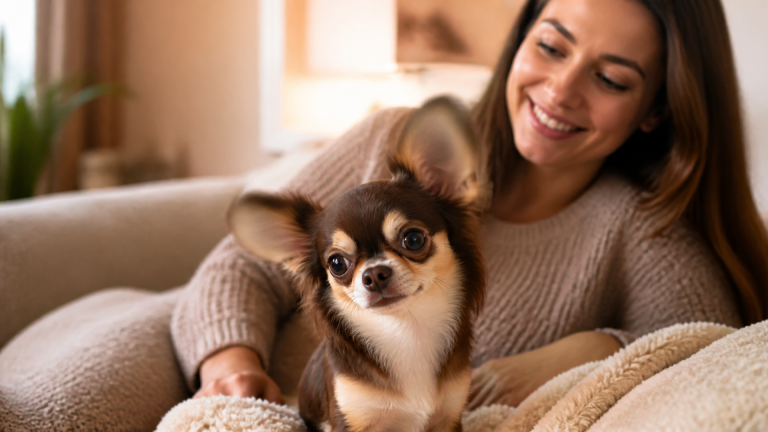
As pet owners, we often find ourselves wondering, "why is my chihuahua panting?" It’s a common occurrence that can leave us feeling concerned about our furry friends. Panting can be a normal behavior, but it can also indicate stress or health issues. By understanding the various reasons behind this behavior, we can better support our Chihuahuas and ensure their well-being. Let’s explore the common causes of panting and how we can respond effectively to our beloved pets’ needs.

Get your dog to listen to you

Learn how service dogs are trained to ALWAYS come when called. Watch the free workshop now.


k9ti.org

Key Takeaways

Panting can be a normal response to heat, exercise, or excitement but should be monitored closely for comfort.
Excessive panting may indicate stress or anxiety, often accompanied by behavioral changes.
Health issues, including respiratory problems and pain, can lead to panting and require prompt attention from a veterinarian.
Regular exercise is vital for preventing obesity and stress, while maintaining a comfortable environment can help alleviate panting.

Common Causes of Panting in Chihuahuas

Common causes of panting in Chihuahuas include anxiety, heat, and excitement, and we should keep an eye on their behavior. We often notice our little ones panting during hot weather. When they’re feeling anxious, their breathing can become rapid. Excitement from playtime can also lead to increased panting. It’s important for us to monitor these changes to ensure they’re comfortable.

When Panting Is Normal Behavior

When we observe our Chihuahuas panting, it’s important to recognize that it can be a normal behavior in various situations. They often pant as a way to regulate their body temperature, especially after exercise or during moments of excitement. Additionally, panting can also serve as a response to stress or anxiety, reminding us to pay attention to their emotional state.

Normal Temperature Regulation

Our Chihuahuas rely on panting for normal temperature regulation, helping them stay cool during warmer days. We often see them panting after a fun play session, and it reassures us that they’re just cooling off. When the sun’s blazing, it’s a natural response for them to breathe more rapidly. We should always keep an eye on them to ensure they’re not overheating. It’s comforting to know that this behavior is typically just a part of their way of staying comfortable.

Exercise and Excitement

We’ve noticed that our Chihuahuas often get overly excited and start panting after a fun play session. It’s like they can’t contain their joy and need to cool down. We can see their little hearts racing as they dart around, full of energy. After a few minutes of play, they settle down, but the panting can linger for a bit. It reminds us how much they love to play and be active.

Stress and Anxiety Responses

Chihuahuas’ stress and anxiety responses can manifest in various ways, including excessive barking, hiding, or changes in appetite. We’ve noticed that when our Chihuahuas feel anxious, they often seek out safe spaces to hide. They may also refuse treats or food, signaling that something’s off. At times, we catch them pacing back and forth, which adds to our concern. It’s crucial for us to observe these behaviors closely to ensure their well-being.

Identifying Signs of Stress or Anxiety

When we’re caring for our Chihuahuas, it’s important to recognize the signs of stress or anxiety. Noticing these signs can help us better understand their needs and create a more comfortable environment. Let’s explore some specific indicators we should look out for.

Signs of Stress in Dogs

Recognizing signs of stress in dogs can significantly improve their overall well-being and strengthen our bond with them. We often see pacing or excessive panting as clear indicators of anxiety. Their body language, like lowered ears or tucked tails, can reveal their discomfort. Sometimes, they might avoid eye contact or seek hiding spots to cope with stress. By being attentive to these signs, we can provide the support our Chihuahuas truly need.

Common Anxiety Triggers

Common anxiety triggers can often stem from loud noises, unfamiliar environments, or separation from us. We’ve noticed that sudden sounds like thunder or fireworks can really upset our Chihuahuas. When we take them to new places, they might feel overwhelmed and anxious. It’s also clear that leaving them alone for too long can lead to increased stress. By being mindful of these triggers, we can help our furry friends feel more secure.

Behavioral Changes to Note

Noticing behavioral changes in our pets can provide crucial insights into their emotional well-being. We might see our Chihuahuas becoming more withdrawn or hiding in their favorite spots. They could also start barking excessively or showing signs of aggression towards unfamiliar people or animals. Changes in appetite, like eating less or seeking food more than usual, can indicate stress. By paying attention to these shifts, we can better support our furry friends through tough times.

Temperature Regulation and Its Impact

Our understanding of temperature regulation helps us know why our dog might be panting. We’ve noticed that dogs, especially small breeds like Chihuahuas, can’t cool down as efficiently as larger dogs. When it’s warm, they rely on panting to release heat, which can lead to increased breathing rates. It’s important for us to monitor their environment to ensure they’re not overheating. If our dog’s panting seems excessive, it might be a sign to check the temperature and provide a cooler space.

Health Issues That May Cause Panting

When we notice our Chihuahua panting, it’s crucial to consider potential health issues that may be at play. We should pay attention to various factors that could be affecting their well-being. Let’s explore some key points to understand the reasons behind this concerning behavior.

Respiratory Problems Overview

Respiratory problems can significantly impact our Chihuahua’s ability to breathe comfortably, making it essential to identify any underlying issues. We’ve noticed that labored breathing or excessive panting may indicate a respiratory infection or other complications. It’s vital to observe any accompanying symptoms like coughing or lethargy. When we see these signs, we should consult our veterinarian for a thorough examination. Early detection can help ensure our furry friend remains healthy and happy.

Heatstroke Symptoms to Watch

Heatstroke symptoms in our Chihuahua can include excessive panting, drooling, and lethargy. We’ve gotta be vigilant when the weather gets hot. If we spot our pup struggling to breathe or appearing disoriented, we need to act fast. Hydration is key, and we should always ensure they have access to cool water. Recognizing these signs early can make all the difference in keeping our furry friend safe.

Anxiety and Stress Factors

Anxiety and stress factors can significantly impact how our Chihuahua behaves, leading to increased panting and restlessness. We often notice that sudden changes in environment or routine can trigger these feelings. When we leave them alone for too long, their anxiety can escalate, causing them to pant excessively. Loud noises, like thunderstorms or fireworks, can also send them into a panic, making them restless. It’s important for us to create a calm and safe space for our furry friends to help alleviate their stress.

Pain Indicators in Dogs

Pain indicators in dogs can often be subtle, but we can learn to recognize them to ensure our Chihuahua gets the help they need. We should watch for changes in their behavior, like decreased activity or reluctance to move. If they’re whining or growling when touched, it might be a sign of discomfort. Their body language, such as tucking their tail or avoiding eye contact, can also signal pain. By being attentive to these signs, we can act quickly to provide the necessary care.

The Role of Exercise and Activity Levels

When it comes to our Chihuahuas, we can’t overlook the importance of exercise and activity levels in their overall health. We’ve seen how a lack of physical activity can lead to various health issues, and it’s crucial for us to recognize the signs of overexertion. Now, let’s explore the impact of insufficient exercise and the signs of overexertion to better understand why our furry friends might be panting.

Impact of Insufficient Exercise

Insufficient exercise can lead to weight gain and behavioral issues in our Chihuahuas, making it vital for us to keep them active. We’ve noticed that when they don’t get enough playtime, they can become restless and anxious. Their energy can turn into destructive behavior if we don’t provide them with adequate outlets. Regular walks and play sessions help maintain their physical and mental well-being. By staying consistent with their exercise routine, we’re ensuring our Chihuahuas remain happy and healthy.

Signs of Overexertion

We’ve noticed that excessive panting and lethargy are clear signs our Chihuahuas might be overexerted. They tend to show signs of distress, such as drooling or whining, when they’ve had too much activity. We also see them seeking cooler spots to rest, indicating they’re feeling overwhelmed. Their heart rates can increase, making it evident that they need a break. Recognizing these signs helps us ensure our furry companions stay healthy and happy.

How to Help a Panting Chihuahua

When we notice our Chihuahua panting, it’s important to act quickly to ensure their comfort. We can take simple steps to help them feel better and stay safe. Let’s explore some effective ways to support our furry friend during these panting episodes.

Provide a Comfortable Environment

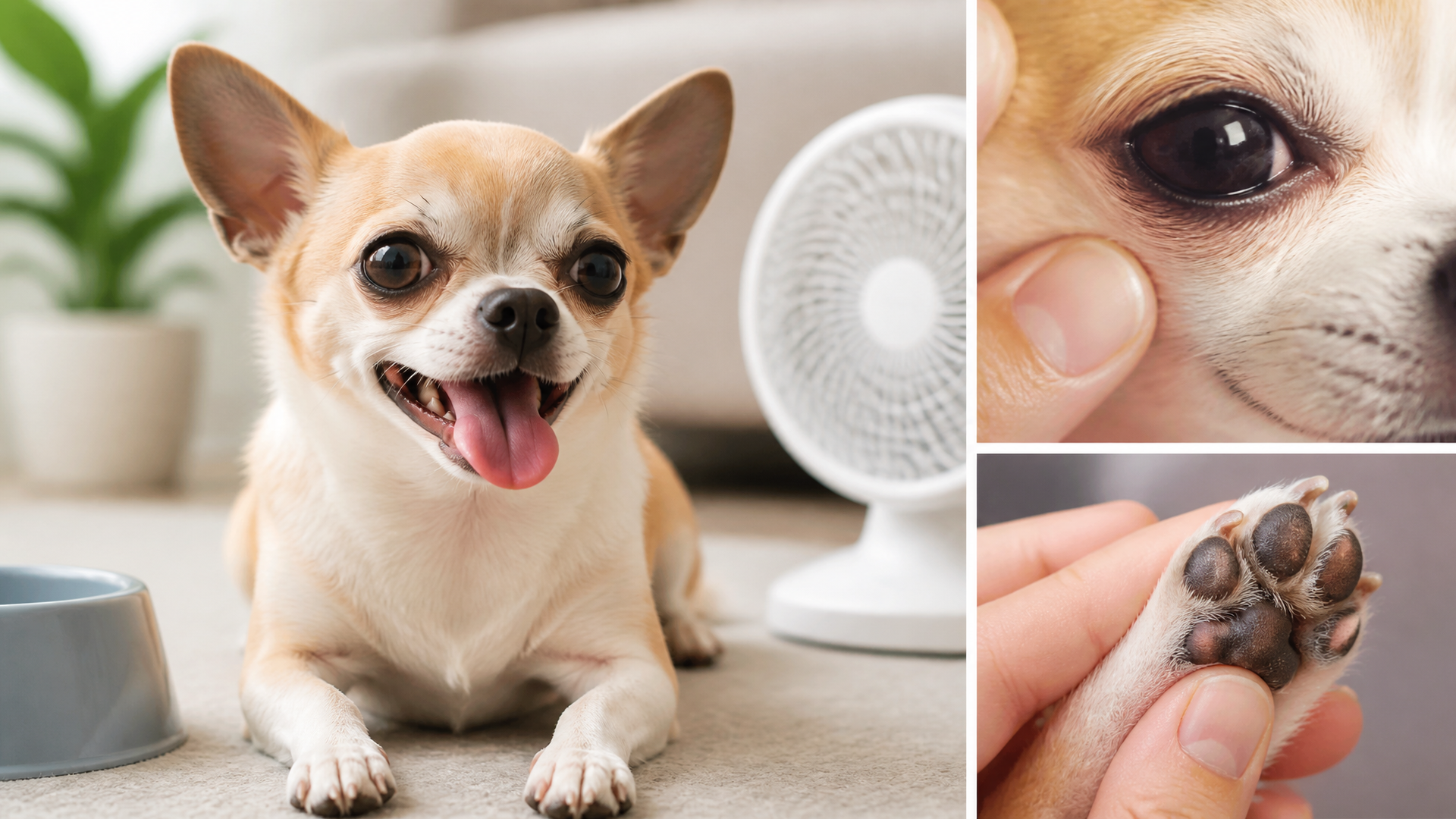
A comfortable environment can greatly help our Chihuahua feel at ease during those panting episodes. We can create a cool, quiet space away from noise and distractions. It’s essential to provide fresh water to keep them hydrated. We should also consider using a fan or air conditioning to regulate the temperature. By ensuring their surroundings are soothing, we can help them relax and recover more quickly.

Monitor Temperature and Hydration

Monitoring temperature and hydration is crucial for keeping our Chihuahua comfortable and healthy during panting episodes. We should check the room temperature to ensure it’s not too hot for them. It’s important to offer fresh water regularly to keep them hydrated. If we notice our Chihuahua struggling, we can use wet cloths to help cool them down. By staying attentive, we’re making sure our little friend feels safe and cared for.

Consult a Veterinarian If Needed

Consulting a veterinarian is essential if our Chihuahua’s panting persists or worsens. We shouldn’t hesitate to seek professional advice when we’re concerned about their health. It’s better to be proactive than to risk overlooking a potential issue. Our vet can provide us with insights and treatment options tailored for our pup. Let’s make sure our little companion gets the care they deserve.

When to Consult a Veterinarian

When we notice our Chihuahua panting excessively, it’s important to pay attention to what that might mean. If the panting persists or seems to be accompanied by other concerning signs, we should consider reaching out to a veterinarian. Understanding the underlying reasons for our pet’s distress can help us decide the best course of action.

Signs of Distress

Our Chihuahua’s signs of distress can include excessive panting, pacing, or hiding, and we need to be vigilant in recognizing these behaviors. We’ve noticed that when he’s feeling anxious, he tends to cling to us more than usual. Sometimes, we’ll find him trembling or avoiding his favorite spots in the house. It’s crucial for us to observe any changes in his appetite or energy levels as well. By being attentive to these signs, we can better support his well-being.

Duration of Panting

Duration of panting can indicate whether it’s a temporary reaction or something more serious, so we need to keep an eye on how long it lasts. If it lasts longer than usual, we should take note of any other symptoms that might appear. We’ve gotta be attentive to changes in our Chihuahua’s behavior during this time. If the panting goes on for an extended period, it’s better to err on the side of caution and consult a veterinarian. Our furry friend’s health is always worth our attention and care.

Underlying Health Issues

Underlying health issues can often manifest in subtle ways, so we need to stay vigilant about any changes in our Chihuahua’s behavior. We’ve gotta be aware that excessive panting can indicate pain, anxiety, or sickness. It’s crucial we monitor other symptoms like lethargy or loss of appetite. If we notice these signs, we should consult a veterinarian for a thorough examination. Taking action early can help us ensure our furry friend stays healthy and happy.

Frequently Asked Questions

Can panting be a sign of a behavioral issue in chihuahuas?

Yes, panting can definitely be a sign of a behavioral issue in Chihuahuas. We’ve noticed that when they’re anxious or overstimulated, their breathing can become rapid and shallow. It’s important for us to observe their surroundings and triggers to better understand their behavior. If we see excessive panting accompanied by other signs of stress, it might be worth consulting a vet or a behaviorist.

How does the age of a chihuahua affect its panting?

The age of a Chihuahua can significantly affect its panting patterns. As they grow older, their bodies might not regulate temperature as efficiently, leading to increased panting. We’ve noticed that senior Chihuahuas tend to pant more, especially in warmer weather or after light activity. It’s important for us to keep an eye on their overall health and comfort levels as they age.

Are there specific breeds of chihuahuas that are more prone to excessive panting?

When we look into whether specific breeds of Chihuahuas are more prone to excessive panting, it’s important to consider genetic factors. Some lines might have traits that make them more susceptible to conditions that lead to panting. However, we shouldn’t forget that individual health and environment play significant roles too. So, while certain breeds might show tendencies, we can’t generalize without considering the whole picture.

If you’re interested in exploring more about different dog breeds and their suitability as house pets, I highly recommend visiting this informative page on Beagles. You can discover whether Beagles make the best house dogs by clicking here: do beagles make good house dogs. It’s a great resource for anyone considering adding a furry friend to their home!