Shih Tzu Historial: Guide: What Every Owner Should Know
The Shih Tzu’s historial stretches back over 1,000 years, from Tibetan monasteries to the Chinese imperial court. Bred exclusively for emperors, the breed nearly vanished after the Communist Revolution and survived through just 14 dogs. That royal past directly affects how you should care for your Shih Tzu today – from health risks to grooming needs. Here’s what you need to know to keep your little lion healthy and happy.

Where the Shih Tzu Breed Really Came From
Most people assume the Shih Tzu originated in China, but the breed’s roots trace back to Tibet. Tibetan monks bred small, lion-like dogs as companions and status symbols, eventually gifting them to Chinese emperors as early as the Tang Dynasty (618–907 AD).
In China, breeders crossed these Tibetan dogs with Pekingese and Lhasa Apsos to create the Shih Tzu we know today. The name itself means “little lion” in Mandarin – a direct reference to the breed’s bold, regal bearing.
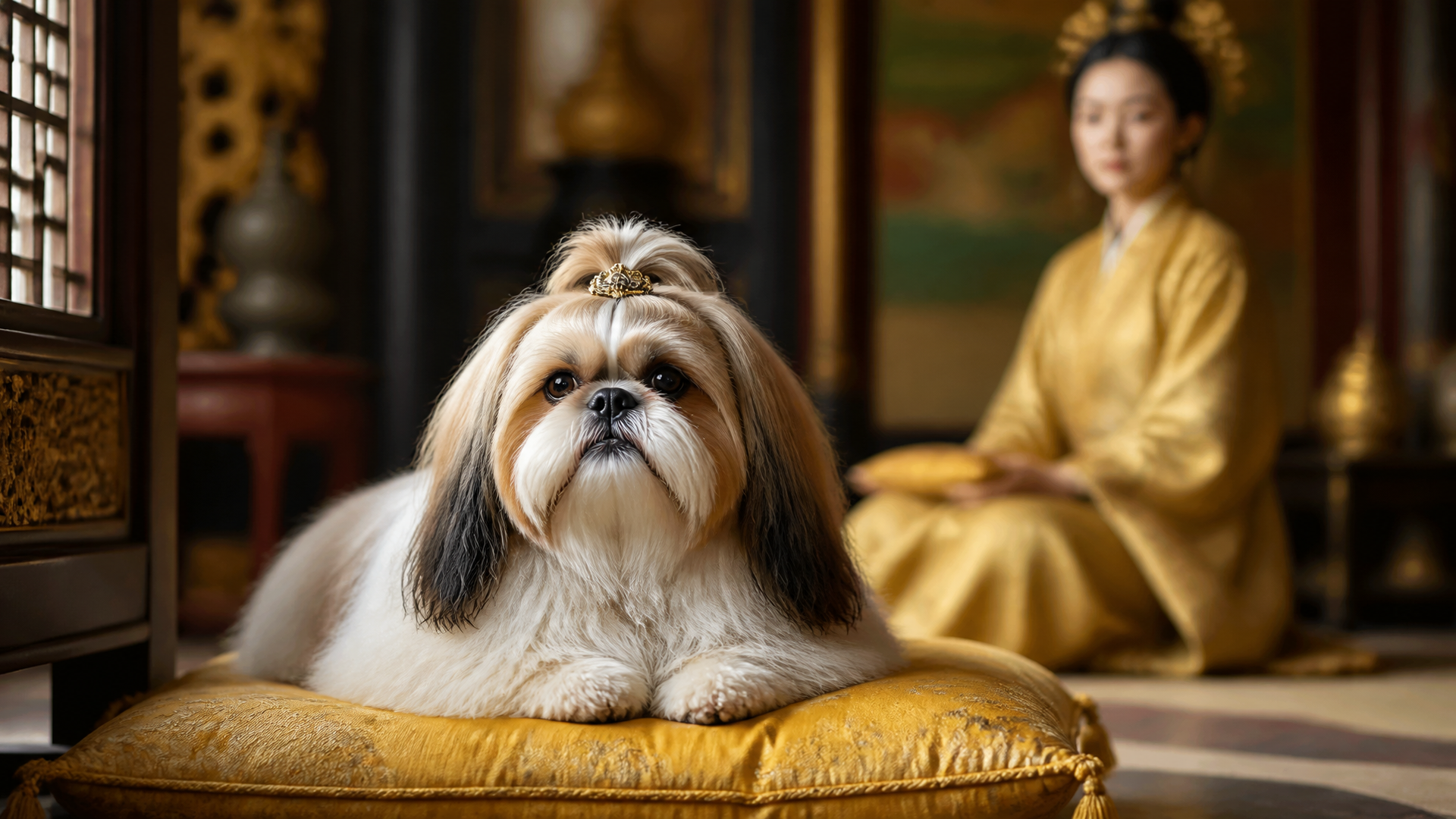
By the 19th century, the Shih Tzu had become a favorite of the Chinese imperial court. Only nobles and royalty owned them, and the dogs lived inside the Forbidden City, completely isolated from the outside world. That breeding isolation is why the modern Shih Tzu remains so genetically distinct from other toy breeds.
How the Shih Tzu Survived Extinction
The Fall of Imperial China
When the Chinese Empire fell in 1912, the Shih Tzu’s protected status ended. Many dogs were lost or killed during the political upheaval. By the 1930s, only a small number remained in China, mostly in private hands.
The 14 Dogs That Saved the Breed
The turning point came through a small group of European breeders. In the 1930s, a few dogs were exported to England and Norway. After the Chinese Communist Revolution in 1949, breeding in China stopped entirely.
Nearly every Shih Tzu alive today – from show dogs to family pets – descends from just 14 dogs brought to England and Norway between 1932 and 1952. This narrow genetic bottleneck is exactly why breed-specific health awareness matters so much for owners.
Verification step: When choosing a Shih Tzu, ask your breeder for OFA (Orthopedic Foundation for Animals) hip and patella certifications. These clearances prove the parents were screened for the genetic issues most common in this breed.
Arrival in the United States
The Shih Tzu reached the U.S. in the 1950s and gained American Kennel Club (AKC) recognition in 1969. Within two decades, the breed climbed into the top 15 most popular breeds in America, where it remains today.
What Their Royal History Means for Your Shih Tzu Today
Your Shih Tzu’s past directly affects how you should care for them. Here’s what that historial means in practical, daily terms.
Temperament Rooted in Their Royal Past
Shih Tzus were bred for one job: being a companion. Unlike working breeds, they have no herding, hunting, or guarding instincts. This means they:
- Thrive on human attention – they are not independent dogs and can develop separation anxiety if left alone for long hours
- Are naturally friendly with strangers – they make poor watchdogs but excellent family pets
- Prefer indoor living – their flat faces (brachycephalic anatomy) make them sensitive to heat and heavy exercise
Health Issues Linked to Their Breeding History
Because all modern Shih Tzus descend from a small gene pool, certain health issues are more common. Here’s what to watch for:
| Health Concern | Why It’s Linked to Breed History | What to Watch For |
|---|---|---|
| Brachycephalic airway syndrome | Centuries of breeding for flat faces | Snoring, difficulty breathing in heat, exercise intolerance |
| Eye problems (cataracts, dry eye, corneal ulcers) | Shallow eye sockets from selective breeding | Cloudy eyes, squinting, excessive tearing |
| Hip dysplasia | Genetic bottleneck from 14 founding dogs | Limping, reluctance to jump, bunny-hopping run |
| Patellar luxation | Small breed conformation | Skipping steps, sudden lameness |
What you can do: Choose a reputable breeder who screens for these conditions. Ask for OFA hip and patella certifications, plus annual veterinary eye exams. If you already own a Shih Tzu, schedule an annual eye exam starting at age 2 – early detection can save your dog’s vision.
Grooming Your Shih Tzu’s Royal Coat
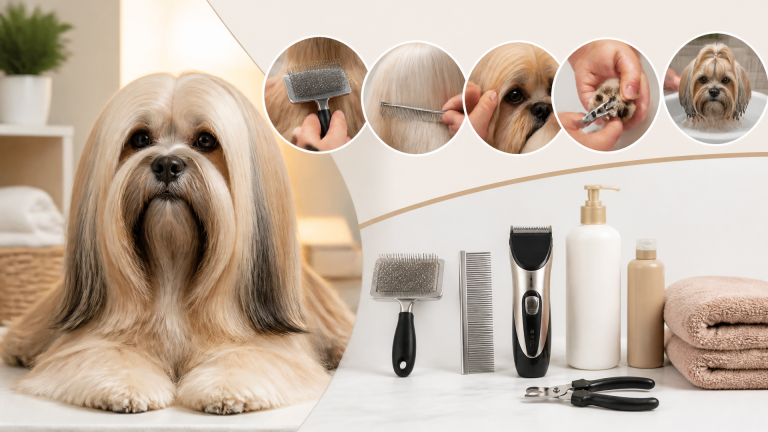
Shih Tzus were bred to have a long, flowing double coat – the hallmark of a noble companion dog. That luxurious coat requires daily maintenance. If you skip brushing for even a few days, mats will form close to the skin and can cause painful skin infections.
| Grooming Task | Frequency | Key Tool |
|---|---|---|
| Full brushing | Daily or every other day | Slicker brush + metal comb |
| Bath | Every 2–3 weeks | Dog-specific shampoo + conditioner |
| Haircut/trim | Every 4–6 weeks | Professional or home clippers with guard |
| Nail trim | Every 2–3 weeks | Nail grinder or clippers |
| Ear cleaning | Weekly | Vet-approved ear cleaner |
Product picks: A Chris Christensen Big G slicker brush or Andis Premium Dematting Comb makes daily brushing faster and reduces painful matting. For baths, a Burt’s Bees moisturizing shampoo for dogs is gentle on sensitive skin.
3 Practical Tips from Shih Tzu History
These tips come directly from the breed’s unique historial – apply them to avoid the most common owner mistakes.
Tip 1: Keep Your Shih Tzu Cool – Always
Actionable step: Never exercise your Shih Tzu when the temperature exceeds 75°F. On hot days, limit walks to early morning or evening and watch for heavy panting, drooling, or stumbling.
Common mistake: Letting your Shih Tzu “tough it out” on a summer walk. Their flat face makes heatstroke a real risk even on mildly warm days. If you wouldn’t run in a fur coat, neither should they.
Tip 2: Start Grooming Early, Even If They Don’t Need It Yet
Actionable step: Handle your Shih Tzu puppy’s paws, face, and tail for two minutes daily from day one. Reward with treats so they associate grooming with positive experiences.
Common mistake: Waiting until the coat is long and matted to start brushing. By then, the dog has already learned to resist, and the first grooming sessions become a battle you’ll fight for years.
Tip 3: Socialize for Confidence, Not Guarding
Actionable step: Introduce your Shih Tzu to at least 10 different people, 5 different dog-friendly dogs, and 3 new environments before they are 16 weeks old.
Common mistake: Assuming a small, friendly breed doesn’t need formal socialization. Shih Tzus can develop small-dog syndrome (yapping, snapping, fearfulness) if not exposed to the world early. Their royal breeding didn’t include social skills.
Is a Shih Tzu Right for Your Home? Quick Decision Aid
Use this checklist to decide if this ancient breed fits your modern life. Each item is a pass/fail check:
- Time commitment: Do you have 15 minutes daily for coat care? □ Yes □ No
- Heat tolerance: Do you live in a climate where summer highs stay below 85°F (or can you keep your dog indoors with AC)? □ Yes □ No
- Alone time: Will someone be home most of the day (or can you arrange doggy daycare)? □ Yes □ No
- Vet budget: Can you afford potential breed-specific care (eye exams, dental cleanings, breathing-related treatment)? □ Yes □ No
- Exercise expectations: Are you looking for a low-energy companion (not a jogging partner)? □ Yes □ No
If you answered “No” to three or more items, consider a different breed or adjust your home setup before bringing a Shih Tzu home. Decision criterion that changes the recommendation: If you live in a very hot climate (summers regularly above 90°F) and don’t have central air conditioning, a Shih Tzu is a poor fit – even with daily brushing, the heat risk is too high. Conversely, if you have air conditioning and a mostly indoor lifestyle, this breed can thrive anywhere.
Frequently Asked Questions
What is the shih tzu historial?
The shih tzu historial refers to the breed’s 1,000-year background, from Tibetan origins and Chinese imperial favor to near-extinction and survival through 14 founding dogs.
Is the Shih Tzu really a hypoallergenic breed?
No breed is truly hypoallergenic, but Shih Tzus have hair (not fur) and produce less dander than many dogs. Many allergy sufferers tolerate them well, though individual reactions vary.
How long do Shih Tzus typically live?
The breed’s average lifespan is 10–16 years with proper care, diet, and regular veterinary checkups.
Do Shih Tzus bark a lot?
Shih Tzus were bred as alert companions, so they do bark to notify you of visitors or unusual sounds. However, they are not excessive barkers compared to other small breeds, especially with proper training.
Was the Shih Tzu really bred to look like a lion?
Yes. The breed’s name means “little lion” in Mandarin, and Tibetan breeders specifically selected for a lion-like appearance – a symbol of royalty and Buddhist protection.
Disclosure: This article contains product recommendations. As an Amazon Associate, we may earn a commission from qualifying purchases at no extra cost to you.
Save This Guide: The Shih Tzu survived extinction through just 14 dogs and centuries of royal breeding. Understanding their historial helps you give them the care they need – daily brushing, heat management, and lots of human company. Keep this guide handy for grooming frequency, health red flags, and breed-specific care tips.