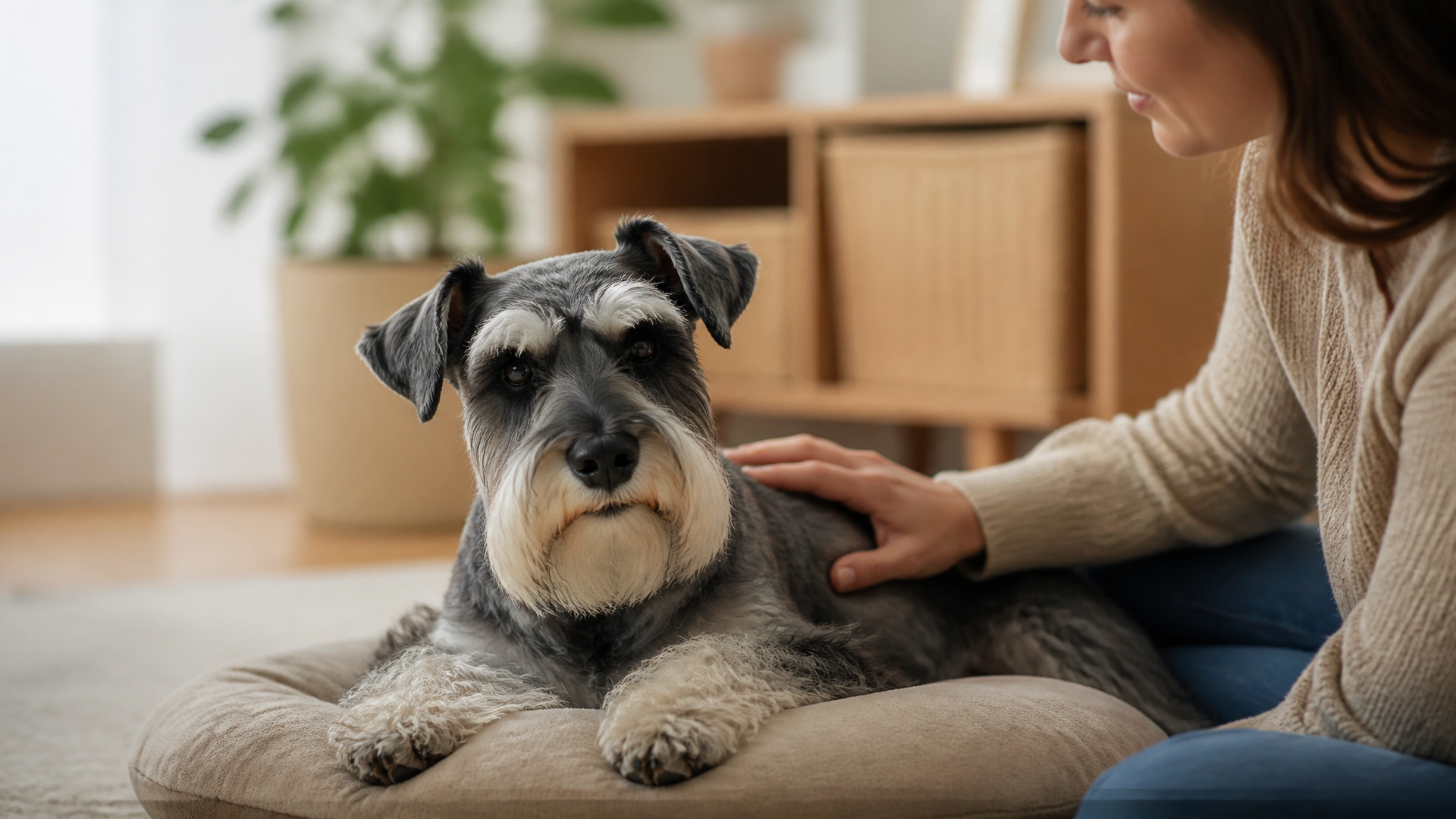
Understanding the Heat Cycle of a Miniature Schnauzer

Understanding the heat cycle of a miniature schnauzer is essential for any responsible dog owner. Many owners often wonder, "how long does a miniature schnauzer stay in heat," and the answer involves several phases that can affect their pet’s behavior and health. During this time, a schnauzer may exhibit noticeable changes that require careful attention and management. Knowing the signs and duration of the heat cycle can help owners provide the best care for their furry friends. This article will explore the key aspects of the heat cycle, including behavioral changes and health considerations, ensuring owners are well-prepared for this natural process.

Free Dog Training Workshop

Learn the secret methods that service dog trainers use to housebreak dogs in under 2 weeks.

k9ti.org

Key Takeaways

The heat cycle of a Miniature Schnauzer consists of four stages: proestrus, estrus, metestrus, and anestrus, with cycles occurring every six to eight months.
Key signs of a Miniature Schnauzer in heat include increased vocalization, vulvar swelling, and a tendency to roam or escape.
Health management during the heat cycle should focus on hydration, monitoring for infections, and nutritional adjustments.
Spaying is important for preventing unwanted litters, stabilizing temperament, and reducing cancer risks in female dogs.

The Basics of the Heat Cycle

Understanding the heat cycle is essential for anyone caring for a Miniature Schnauzer. It’s a natural process that involves several distinct stages, and knowing these can help owners provide better care. With that in mind, let’s explore the stages of the heat cycle, the signs to look for, and how long it typically lasts.

Stages of Heat Cycle

The stages of the heat cycle in a Miniature Schnauzer include proestrus, estrus, metestrus, and anestrus, each playing a significant role in her reproductive health. During proestrus, she may exhibit behavioral changes and swelling of the vulva. Estrus is when she becomes receptive to mating and may attract male dogs. Metestrus follows, where her body begins to return to its normal state, regardless of whether she mated. Anestrus is the resting phase, marking the time between heat cycles.

Signs of Heat Cycle

Signs of a Miniature Schnauzer in heat can include increased vocalization, restlessness, and a change in behavior. She might show more affection than usual or seek attention from her owner. There may be swelling around her vulva, which can indicate she’s in the midst of her cycle. Additionally, she might exhibit a tendency to escape or roam more frequently. These signs can vary in intensity, depending on the individual dog’s temperament and conditions.

Duration and Frequency

Miniature Schnauzers typically experience their heat cycle every six to eight months, lasting around two to three weeks each time. During this period, they’ll go through several phases, including proestrus, estrus, and diestrus. Owners should be aware that the frequency can vary from dog to dog, depending on individual health and genetics. It’s also important to note that some Miniature Schnauzers may have irregular cycles, especially during their first few years. Overall, understanding this cycle can help owners better prepare for their pet’s needs during this time.

Signs That Your Miniature Schnauzer is in Heat

When a Miniature Schnauzer is in heat, there are several noticeable signs that owners should be aware of. These signs can manifest through both physical and behavioral changes, which may vary in intensity and duration. Understanding these indicators is essential for managing your pet’s health and well-being during this important time.

Physical Changes to Observe

Physical changes in a Miniature Schnauzer during heat often include swelling of the vulva and increased urination. Owners might also notice a change in the dog’s appetite and energy levels. There’s often a distinct discharge that may vary in color and consistency. Additionally, the dog may become more affectionate or exhibit signs of restlessness. These physical changes can last for several weeks, marking an important period in the dog’s reproductive cycle.

Behavioral Changes in Dogs

Behavioral changes in dogs can often be subtle, yet they’re crucial for owners to recognize and understand. During the heat cycle, a Miniature Schnauzer may exhibit increased clinginess or seek more attention from their owner. They might also display signs of restlessness or agitation, pacing around the house more than usual. Some dogs may become more vocal or exhibit changes in their play behavior, showing less interest in toys or activities they typically enjoy. Additionally, they could display heightened interest in male dogs, which can lead to more persistent attempts to escape or wander.

Timeframe of Heat Cycle

The timeframe of a Schnauzer’s heat cycle typically lasts around two to three weeks, and it occurs approximately twice a year. During this period, the dog may exhibit specific signs indicating she’s in heat. It’s essential for owners to monitor these changes to ensure proper care. The first signs usually appear at around six months of age, but this can vary. After the heat cycle, a Schnauzer will usually return to her normal behavior until the next cycle begins.

Health Considerations During Heat

Health considerations during heat can significantly impact a Miniature Schnauzer’s overall well-being, and owners need to monitor their pet closely. It’s crucial to keep the dog hydrated, as hormonal changes can lead to increased thirst. Owners should also be aware that a Miniature Schnauzer may experience mood swings, making them more irritable or anxious. Regular check-ups with a veterinarian during this time can help identify any potential health issues. Additionally, minimizing strenuous activities can help maintain the dog’s comfort and health.

Duration and Phases of the Heat Cycle

Understanding the duration and phases of the heat cycle is essential for any Miniature Schnauzer owner. It helps in recognizing the signs and providing appropriate care during this period. With a clear grasp of these elements, one can navigate the heat cycle more effectively.

Duration of Heat Cycle

A Miniature Schnauzer’s heat cycle typically lasts about two to three weeks, with variations depending on the individual dog. During this time, the dog undergoes several phases, including proestrus, estrus, and diestrus. Proestrus usually lasts around 7 to 10 days, marked by swelling and discharge. Estrus follows, lasting about 5 to 9 days, during which the dog is receptive to mating. Finally, diestrus can last around 60 to 90 days, regardless of whether the dog is pregnant.

Phases of Heat Cycle

Each phase of the heat cycle plays a crucial role in determining a Miniature Schnauzer’s reproductive status. It consists of proestrus, estrus, diestrus, and anestrus. During proestrus, the female experiences swelling and a bloody discharge, signaling her readiness to mate. Estrus follows, where she becomes receptive to males and may exhibit changes in behavior. Diestrus occurs after mating, leading to either pregnancy or the return to anestrus, the resting phase before the cycle begins anew.

Signs of Heat Cycle

Recognizing the signs of the heat cycle in a Miniature Schnauzer can significantly enhance an owner’s ability to provide proper care and attention. During this period, one might notice behavioral changes such as increased affection or restlessness. Physical signs like swelling of the vulva and a bloody discharge are also common indicators. Additionally, the dog’s interest in male dogs may heighten, prompting more vocalizations. Being aware of these signs allows for better management of the dog’s needs and surroundings.

Care During Heat Cycle

Care during the heat cycle can often be challenging for Miniature Schnauzer owners, as they need to be attentive to their dog’s needs and behavior changes. They should ensure their dog has a comfortable and safe environment to help reduce stress. Regular walks may be necessary, but it’s important to keep them leashed to avoid unwanted interactions with other dogs. Owners must also monitor their dog’s hygiene, providing gentle cleaning as needed. Additionally, it’s wise to keep an eye on any unusual behaviors that could indicate discomfort or health issues.

Behavioral Changes During Heat

During heat, a Miniature Schnauzer’s behavior often shifts noticeably. She may exhibit signs of discomfort, seek increased affection, and show varying activity levels. Additionally, her territorial behaviors might alter, reflecting the hormonal changes she’s experiencing.

Signs of Discomfort

Signs of discomfort in a Miniature Schnauzer may include whining, excessive licking, and restlessness. She might avoid her usual toys or activities, indicating something’s off. Additionally, her appetite could fluctuate, leading to either overeating or disinterest in food. It’s common for her to seek out more attention and reassurance from her owner during this time. Overall, these behaviors can signal her need for comfort and understanding.

Increased Affection Seeking

A Miniature Schnauzer often seeks more affection from her owner, showing a heightened need for closeness and comfort. She might nuzzle and lean against her owner, craving physical contact. It’s common for her to follow her owner around the house, wanting to stay close. Her increased affection may also manifest in more frequent cuddling sessions on the couch. During this time, she might whine or whimper if she doesn’t receive the attention she’s looking for.

Changes in Activity Level

The Miniature Schnauzer’s activity level can fluctuate significantly, as she might seem more lethargic one moment and then suddenly energetic the next. During her heat cycle, she may choose to rest more, indicating discomfort or unease. Conversely, there’ll be times when she bursts with energy, wanting to play or explore. Her humans might notice changes in her enthusiasm for walks, as she could either pull ahead excitedly or lag behind. These variations are often tied to the hormonal shifts she’s experiencing.

Territorial Behavior Alterations

Miniature Schnauzers often become more possessive of their space when experiencing heat, as their territorial instincts intensify. They might guard their favorite spots more fiercely and react negatively to perceived intrusions. This heightened territoriality can lead to increased barking or growling at other pets or people. During this time, their owners may notice a shift in how they interact with their environment. It’s essential for owners to observe these changes and provide comfort while ensuring a safe space.

Health Considerations During the Heat Cycle

During the heat cycle, a Miniature Schnauzer’s health can be affected in various ways. It’s essential to monitor for specific health risks and adjust nutritional needs accordingly. Understanding these considerations helps ensure the dog’s well-being during this time.

Health Risks to Monitor

Health risks to monitor include infections and hormonal imbalances that can arise in female dogs. It’s important to keep an eye on any unusual discharge, as it could signal an underlying issue. Changes in appetite or behavior may also indicate that something’s not quite right. Additionally, a female dog in heat may be more prone to stress-related conditions, which can impact her overall health. Regular veterinary check-ups during this period can help catch any potential problems early.

Nutritional Needs During Heat

Nutritional adjustments are crucial for a dog in heat, as they require more energy and specific nutrients to support their changing body. It’s important for owners to provide a balanced diet that includes higher protein and healthy fats. Increased hydration is also necessary to help maintain optimal health during this period. Supplements, such as omega-3 fatty acids, can aid in reducing inflammation and promoting overall well-being. Monitoring weight and adjusting portions accordingly ensures the dog remains healthy and energetic.

Behavioral Changes to Expect

Behavioral changes can be quite noticeable, as she may exhibit increased restlessness or seek more attention from her owner. She might also become more vocal, expressing her needs through barking or whining. Changes in playfulness can occur, with her either becoming more aggressive or less interested in games. It’s common for her to show signs of anxiety or clinginess during this period. Additionally, she may display a heightened interest in male dogs, leading to more frequent attempts to escape or explore her surroundings.

Veterinary Care Recommendations

Veterinary care recommendations include routine check-ups and vaccinations to ensure the dog remains healthy and protected. It’s important for owners to schedule a vet visit during the heat cycle to monitor any potential health issues. Regular blood tests might be suggested to check hormone levels and overall health. Nutritional adjustments could be recommended to support the dog’s changing needs during this time. Owners should also be advised to keep the dog away from unneutered males to prevent unwanted pregnancies.

Managing Your Schnauzer’s Needs

Managing a Schnauzer’s needs during the heat cycle is crucial for their overall well-being. Owners should ensure they’re aware of the specific requirements that come into play during this time. By focusing on proper nutrition, exercise, environment, and grooming, they’ll help their furry friend navigate this phase comfortably.

Proper Nutrition Guidelines

Proper nutrition guidelines for Schnauzers during their heat cycle can significantly impact their comfort and overall health. It’s essential to increase their protein intake to support energy levels and reproductive health. Owners should also ensure they’re providing a balanced diet rich in vitamins and minerals. Keeping their hydration levels optimal is crucial during this time as well. Regularly monitoring their weight can help prevent any unnecessary health issues.

Exercise Requirements and Tips

Schnauzers need regular exercise to maintain their physical health and mental stimulation, especially during the heat cycle. It’s important to adjust the intensity of their workouts, opting for shorter, more frequent walks instead of long outings. Owners should keep their Schnauzers on a leash to prevent unwanted interactions with other dogs. Engaging in interactive play, like fetch or tug-of-war, can provide mental stimulation without overexerting them. Consistency in exercise routines helps to keep their mood balanced during this time.

Safe Environment Considerations

Creating a safe environment during a dog’s heat cycle is essential for preventing unwanted interactions and ensuring their comfort. It’s important for owners to keep their Schnauzer indoors when possible to minimize exposure to male dogs. They should also consider using baby gates or crates to restrict access to certain areas. Providing a quiet space with familiar toys can help reduce anxiety and stress. Regular check-ins will ensure the dog’s needs are being met throughout this sensitive time.

Grooming and Hygiene Practices

Grooming and hygiene practices are essential for keeping a Schnauzer looking and feeling their best. Regular brushing helps to remove loose hair and prevent matting, ensuring the coat stays healthy. Bathing should be done with a gentle dog shampoo to maintain the skin’s natural oils. Nail trimming is also important, as overgrown nails can cause discomfort and impact mobility. Maintaining dental hygiene through regular brushing will support overall health and prevent dental issues.

The Importance of Spaying

Spaying is crucial for pet owners who want to ensure their dogs remain healthy and happy. It significantly reduces the risk of certain health issues and can positively influence behavior. Understanding the importance of spaying paves the way for discussing its many benefits and considerations.

Benefits of Spaying Dogs

Many pet owners appreciate the benefits of spaying dogs, as it helps prevent unwanted litters and can lead to a more stable temperament. It can reduce the risk of certain cancers, particularly in females, enhancing their overall health. Spaying can also diminish behavioral issues associated with heat cycles, making for a more pleasant pet experience. Additionally, it often contributes to a longer lifespan for spayed dogs. Ultimately, spaying promotes responsible pet ownership and reduces the number of homeless animals.

Health Risks of Not Spaying

The health risks of not spaying can lead to serious complications, including infections and tumors, that owners might not anticipate. It’s known that unspayed females are at a higher risk for developing pyometra, a life-threatening uterine infection. Additionally, they can face an increased likelihood of mammary tumors, especially if they go through multiple heat cycles. Owners might also encounter behavioral issues, as unspayed dogs can exhibit more aggressive or anxious tendencies during their heat cycles. Overall, the decision to not spay can result in significant health concerns that could impact a dog’s quality of life.

Spaying and Behavioral Changes

Behavioral changes often occur after spaying, leading to a calmer and more manageable pet. Many owners notice their dogs becoming less aggressive and more affectionate. Some pets may show reduced anxiety and a decrease in marking behaviors. A spayed dog’s focus often shifts from mating instincts to companionship and playfulness. Overall, these changes contribute to a more harmonious household dynamic.

Cost Considerations for Spaying

Cost considerations for spaying can often weigh heavily on a pet owner’s decision-making process. Many owners may feel overwhelmed by the initial expense associated with the procedure. However, they often overlook the long-term savings on potential health issues that spaying can prevent. Some veterinary clinics offer payment plans or financial assistance, making the procedure more accessible. Ultimately, the investment in spaying can lead to a healthier, happier pet and reduced costs in the future.

Common Myths About the Heat Cycle

Many pet owners hold misconceptions about the heat cycle of their Miniature Schnauzers. They often believe in myths regarding the regularity, duration, and behavioral changes associated with this natural process. Additionally, some may underestimate the risks of pregnancy during this time, leading to further confusion.

Myth of Irregular Cycles

Pet owners often think that Miniature Schnauzers have irregular heat cycles, but that’s not always the case. Many Schnauzers actually follow a predictable pattern, typically cycling every six months. Some may experience slight variations, which can lead to misconceptions about their regularity. It’s essential to monitor each dog’s individual cycle to understand its unique rhythm. Misunderstandings about these cycles can sometimes lead to unnecessary worry for pet owners.

Heat Cycle Duration Misconceptions

Owners often think the heat cycle lasts longer than it actually does, leading to unnecessary concerns about their Miniature Schnauzers. It’s typically around two to three weeks, but some may believe it stretches into a month or more. This misunderstanding can cause owners to misinterpret their dog’s behavior and health. They might worry about their pet’s well-being unnecessarily, thinking something is wrong. Ultimately, it’s essential for owners to learn the accurate duration to alleviate their worries.

Behavioral Changes Misunderstood

Confusion often arises from the misunderstood behavioral changes that Miniature Schnauzers experience during their heat cycle. Many owners think their dogs become overly aggressive or anxious, but that isn’t always the case. It’s common for them to seek more attention or exhibit clinginess, which might be mistaken for distress. Some owners might misinterpret increased marking behaviors as a sign of disobedience instead of a natural instinct. These misconceptions can lead to unnecessary stress for both the pet and its owner.

Pregnancy Risk Misbeliefs

Some individuals underestimate the likelihood of their Miniature Schnauzers becoming pregnant during the heat cycle. They often think that a brief heat cycle doesn’t pose any significant risk. Many assume their dog won’t conceive if they’re not actively trying to mate. This leads to unexpected pregnancies that could have been avoided. In reality, the chances of pregnancy can be higher than most believe.

Preparing for Future Heat Cycles

Preparing for future heat cycles requires an understanding of the signs and care needed for a Miniature Schnauzer. It’s essential for owners to recognize early signs of heat to ensure proper management. With the right knowledge, they can implement effective care tips to support their pet during this time.

Recognizing Early Signs

Recognizing early signs of heat in a Miniature Schnauzer is crucial for ensuring they receive the necessary care and attention during this period. Owners should be aware that a Miniature Schnauzer may exhibit behavioral changes, such as increased clinginess or restlessness. Physical signs, like swelling of the vulva and a change in discharge color, can also indicate the onset of heat. They might notice their dog urinating more frequently or marking territory inside the house. Being attentive to these signs helps owners provide timely support and care for their pet.

Essential Care Tips

Essential care tips for a Miniature Schnauzer during heat cycles include providing a comfortable space and maintaining proper hygiene. Owners should ensure their dog has access to clean bedding and a quiet area to rest. It’s important to monitor her behavior closely, as she may become more affectionate or seek solitude. Regular cleaning of the area can help prevent infections and keep the environment hygienic. Lastly, providing extra attention and care can help her feel more secure during this time.

Seeking Veterinary Advice and Support

When it comes to managing a Miniature Schnauzer’s heat cycle, seeking veterinary advice and support is essential. It’s crucial for owners to stay informed and proactive about their pet’s health needs. By consulting with a veterinarian, they can ensure their furry friend receives the best care possible during this important time.

Importance of Regular Check-ups

Regular check-ups play a vital role in ensuring a Miniature Schnauzer’s overall health and well-being. They help detect potential health issues early, allowing for timely intervention. Regular visits to the veterinarian keep vaccinations up to date, protecting the dog from various diseases. It’s also an opportunity for owners to discuss any behavioral changes or concerns with the vet. Consistent care contributes to a longer, happier life for the Miniature Schnauzer.

Recognizing Health Concerns

Health concerns in Miniature Schnauzers can often go unnoticed, but attentive owners can spot subtle changes in their pet’s behavior. They might notice a decrease in energy or changes in appetite that indicate something’s wrong. Frequent scratching or licking could suggest allergies or skin issues that need addressing. If a Schnauzer displays unusual aggression or withdrawal, it might signal pain or discomfort. Regular observation and quick action can help catch potential health issues before they escalate.

Choosing the Right Veterinarian

Finding the right veterinarian can significantly impact a Miniature Schnauzer’s overall well-being. Owners should look for a vet who specializes in small breeds and has experience with the specific needs of Schnauzers. It’s important that the veterinarian communicates effectively and addresses any concerns the owner may have. Regular check-ups and open lines of communication can help in managing the heat cycle effectively. Trusting the veterinarian can lead to better health outcomes for the Miniature Schnauzer.

Support During Heat Cycle

Support during a Miniature Schnauzer’s heat cycle can make a significant difference in her comfort and well-being. Owners can provide a calm environment to help her feel secure. They should also monitor her behavior for any signs of distress or discomfort. It’s important to offer extra attention and affection during this time. Consulting with a veterinarian can help address any specific concerns and ensure her health is prioritized.

Frequently Asked Questions

How can i tell if my miniature schnauzer is experiencing false heat?

To determine if a dog is experiencing false heat, one can look for signs that mimic a regular heat cycle, such as swelling of the vulva and behavioral changes. It’s important to note that these symptoms can occur even when the dog isn’t in actual heat. Additionally, if the dog shows interest in mating but doesn’t attract male dogs, it could indicate a false heat. Observing these behaviors over a period can help in understanding whether it’s a false alarm or something more significant.

Are there any specific breeds that are more likely to have irregular heat cycles?

Certain dog breeds are indeed more prone to irregular heat cycles. For instance, small breeds like Chihuahuas and Yorkshire Terriers often experience inconsistencies in their reproductive cycles. Additionally, larger breeds may also show variations, sometimes due to their size or health issues. It’s important for owners to monitor their pets closely and consult a veterinarian if they notice any unusual patterns.

What are the long-term effects of not spaying my miniature schnauzer?

Not spaying a female dog can lead to several long-term effects. It increases the risk of unwanted pregnancies, which can contribute to overpopulation and strain on animal shelters. Additionally, unspayed dogs are more susceptible to certain health issues, such as pyometra, a serious uterine infection, and mammary tumors. Overall, it’s important for owners to consider these factors when deciding whether to spay their pets.

Conclusion

In conclusion, comprehending the heat cycle of a Miniature Schnauzer is vital for responsible pet ownership. By recognizing the distinct stages and their associated behaviors, owners can better support their pets during this natural process. Addressing health considerations and managing their needs effectively can mitigate potential risks and enhance their overall well-being. Additionally, dispelling common myths ensures that pet owners approach the heat cycle with informed perspectives. Ultimately, staying proactive and engaged in a Schnauzer’s care during this time fosters a healthier and happier life for both the dog and its owner.

If you’re keen on expanding your knowledge about canine health, I highly recommend checking out the page on preventing bloat in Beagles. This resource provides valuable insights into a serious condition that can affect many dog breeds, including the importance of recognizing the symptoms of bloat. You can explore more by visiting this link.