Beagle Ear Infection: Warning Signs & What To Do
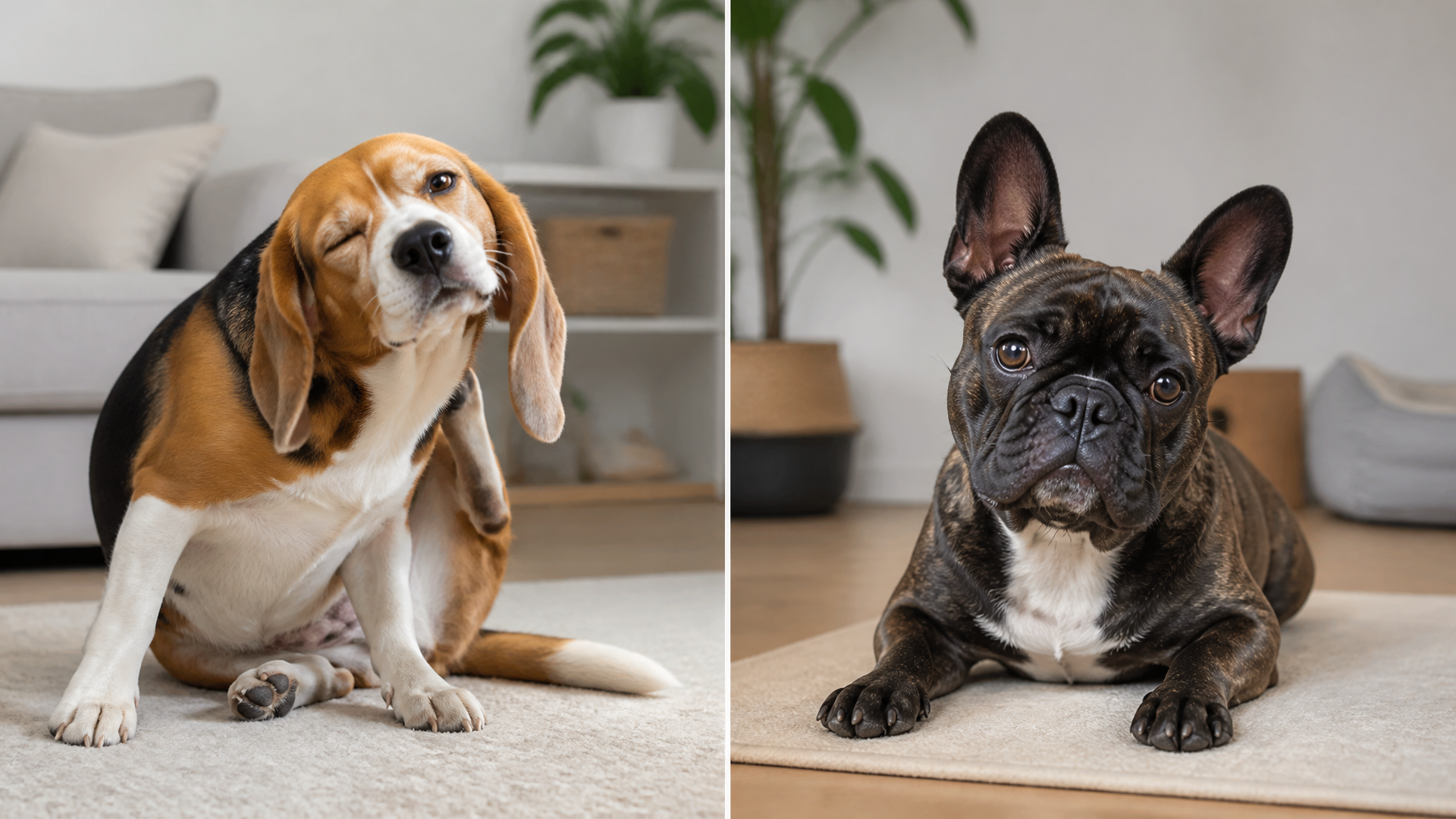
Beagle ear infections are common, thanks to their floppy, closed-off ears that trap moisture and debris. If your Beagle is shaking their head, scratching at their ears, or you notice a funky odor, act fast. Clean the ear with a vet-approved solution and check for redness or swelling. If you see thick discharge or your Beagle yelps when touched, see your vet immediately.

Warning Signs Your Beagle Has an Ear Infection
Catch it early and save your dog pain—and save yourself a bigger vet bill. Look for these signs:
- Head shaking or tilting – the most common first clue
- Scratching at one or both ears – often more than usual
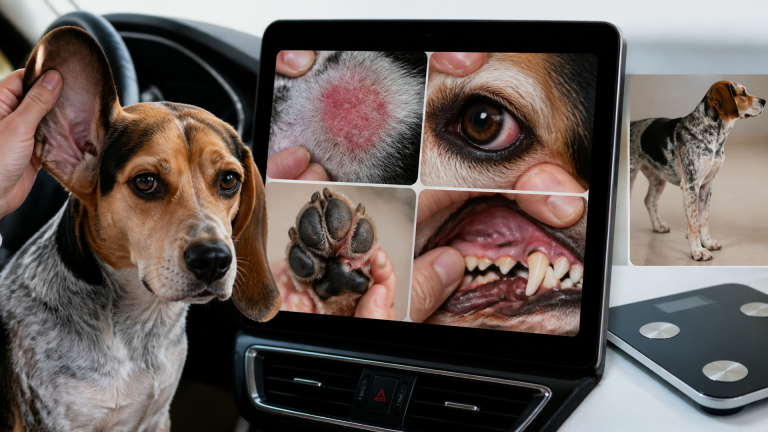
- Red, swollen ear flap or ear canal – lift the flap and peek
- Dark, waxy, or pus-like discharge – brown, yellow, or bloody
- Foul smell – a “yeasty” or musty odor is a dead giveaway
- Pain when touched – your Beagle may flinch or growl
- Balance issues or circling – indicates the infection has spread deeper
Beagles often mask pain until it’s severe. Check ears weekly, even if your dog seems fine.
How Bad Is It? Know the Difference Between Mild and Severe
This is the single most important decision point. Mild infections (light redness, slight wax) can often be managed at home. Severe infections (swollen canal, thick discharge, pain, head tilt) require a vet visit—home treatment can make things worse or damage the eardrum.
Practical implication: If you’re unsure, use the checklist below. A single “fail” on a pain-related item means skip home care and call the vet. Don’t gamble on treating a moderate infection yourself—you’ll waste time and money, and your Beagle will suffer longer.
Verification step: Before buying any ear product, do the finger test. Gently lift the ear flap and press lightly on the base of the ear canal. Your Beagle should not flinch or cry. If they do, stop—that ear is too painful for at-home cleaning. You need a vet to rule out a ruptured eardrum or deep infection.
Why Beagles Get Ear Infections So Often
The breed’s anatomy is the main culprit. Their long, heavy ears cover the ear canal, reducing airflow and creating a warm, dark, humid environment perfect for yeast and bacteria. Combined with:
- Allergies – Beagles are prone to food and environmental allergies that trigger inflammation
- Excess earwax – Beagles produce more wax than many breeds
- Swimming or bathing – water trapped in the ear canal feeds infections
- Ear mites – common in puppies and outdoor Beagles
Knowing the cause helps you target the right treatment and prevention. Allergies are the most overlooked driver—if your Beagle gets frequent ear infections, talk to your vet about an allergy trial.
What To Do: Step-by-Step Care for Mild Cases Only
You can handle mild infections at home—but only after confirming it’s not a deep or chronic issue. Here’s the safe process.
Step 1: Gather Supplies
- Vet-recommended ear cleaning solution (look for one with drying agents like boric acid or salicylic acid)
- Cotton balls or gauze (never Q-tips—they push debris deeper)
- Treats for positive association
Step 2: Examine the Ear
Gently lift the ear flap and look inside. If the canal is swollen, bleeding, or has a lot of discharge, stop here and call the vet.
Step 3: Apply Cleaning Solution
Fill the ear canal with solution until you see it near the opening. Gently massage the base of the ear for 20–30 seconds. You’ll hear a squishing sound—that’s normal.
Step 4: Wipe Away Debris
Let your Beagle shake their head (they will!). Then use a cotton ball to wipe out loosened gunk. Never insert anything into the ear canal.
Step 5: Dry the Ear
Use a dry cotton ball to absorb remaining moisture. If your Beagle swims or bathes often, follow with a drying powder made for dogs.
Expert Tips for Ear Cleaning
Tip #1 – Use Only Vet-Approved Cleaners
Homemade solutions (vinegar, hydrogen peroxide) can irritate already inflamed skin. Stick to products labeled for canine ears, such as Zymox Otic or Vet’s Best Ear Relief.
Common mistake: Hydrogen peroxide kills healthy tissue and slows healing. Skip it entirely.
Tip #2 – Never Use Q-Tips Past What You Can See
You’ll push wax and infection deeper, and risk rupturing the eardrum. Cotton balls are safer.
Common mistake: “Cleaning” deep inside the ear actually makes infections worse.
Tip #3 – Make Ear Care a Positive Routine
Beagles are stubborn, but they respond to food. Pair each cleaning session with a high-value treat.
Common mistake: Forcing an anxious Beagle—this builds fear and makes future cleaning harder.
When To Call the Vet
Some infections need prescription medication. Head to the vet if you see:
- Thick, bloody, or green discharge
- Intense redness or swelling sealing the ear canal shut
- Your Beagle crying or refusing to let you touch the ear
- No improvement after 2–3 cleanings
- Tilting head or stumbling (could indicate a middle‑ear infection)
Your vet may prescribe antibiotic or antifungal ear drops, oral meds, or a professional ear flush under sedation.
What this means for your next choice: If you’ve already bought an over-the-counter ear cleaner and saw no improvement after two uses, stop using it. The infection likely needs a prescription product. Don’t keep throwing money at the wrong solution.
Weekly Ear Health Check: 5 Quick Checks
Use this pass/fail list every week. If you answer “yes” to any item, take action:
- [ ] Ear flap is pink, not red or swollen
- [ ] No discharge visible inside the ear
- [ ] No odor when you sniff the ear opening
- [ ] Beagle doesn’t shake head or scratch more than normal
- [ ] Ear canal opening appears clean and dry
If one or more fail, start cleaning. If two or more fail, or if pain is present, see your vet.
Prevention: A Five-Minute Weekly Routine
Prevent most infections with five minutes a week:
- Check ears every Saturday – make it a habit after morning walk
- Dry ears after every bath or swim – tilt head down, use a cotton ball
- Manage allergies – work with your vet on diet trials or antihistamines
- Trim ear hair – excess hair in the canal traps moisture (ask your groomer)
- Use a drying ear cleaner once a month – even if no signs of infection
Frequently Asked Questions
Can I use hydrogen peroxide to clean my Beagle’s ears?
No. Hydrogen peroxide irritates inflamed skin and can damage healthy cells. Use only a vet-recommended ear cleaning solution.
How often should I clean my Beagle’s ears?
Healthy ears: once every 2–4 weeks. After swimming or bathing: dry them immediately. If your Beagle has recurring infections, your vet may suggest weekly cleaning.
Will ear infections go away on their own?
Rarely. Mild yeast infections might clear, but bacterial infections worsen quickly. Untreated infections can lead to chronic pain, hearing loss, or a ruptured eardrum.
How do I know if a product is safe for my Beagle?
Look for products specifically labeled for canine ears, with drying agents like boric acid or salicylic acid, and no alcohol. Avoid any product that says “human ear drops” unless your vet directs.
Save This Guide – Key takeaway: Weekly ear checks plus prompt cleaning with the right products can prevent most Beagle ear infections. When in doubt, always check with your vet.
This article contains affiliate links; if you buy through them, we may earn a small commission at no extra cost to you.