Lhasa Apso Puppy Cut
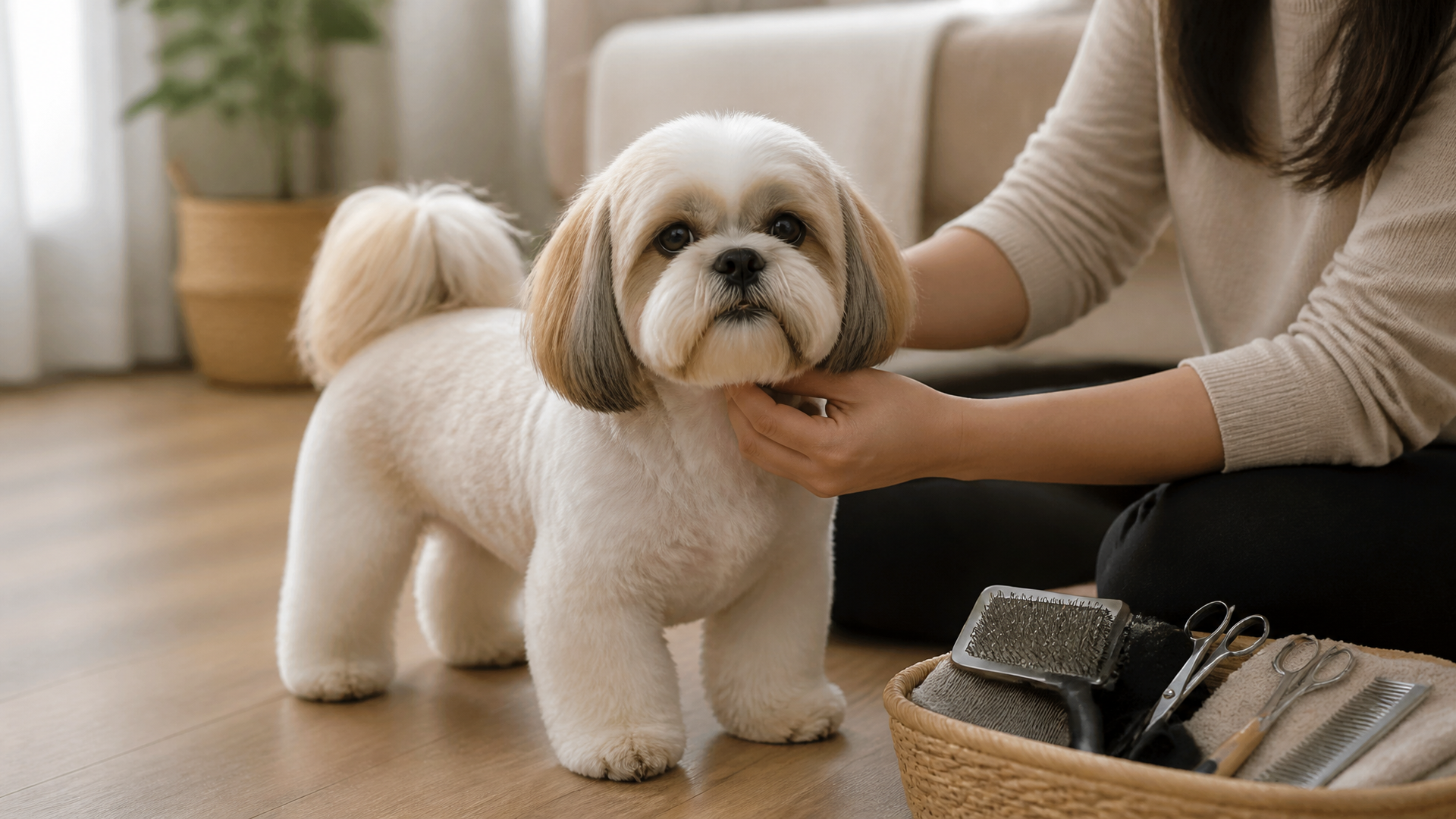
Thinking of giving your Lhasa Apso a shorter, more manageable coat? The Lhasa Apso puppy cut trims the body hair to about 1–2 inches while leaving the face and tail slightly longer. It gives your pup a cute, round appearance and makes daily brushing easier. But before you grab the clippers, know this: even with a short cut, Lhasa Apso undercoat mats quickly if ignored. That’s the counter‑intuitive truth most generic articles skip—this guide covers what you actually need to keep that puppy cut looking great.

Some links in this article are affiliate links; we may earn a commission at no cost to you.
What a Puppy Cut Actually Looks Like (and Doesn’t)
A puppy cut uses a #7F or #10 clipper blade with a guard comb to trim the body to a uniform 1–2 inches. The head keeps a fluffy topknot (the breed’s signature), and the tail is left slightly fuller as a “flag.” It’s not a show‑standard look—it trades the Lhasa’s long, flowing double coat for a teddy‑bear silhouette that’s far easier to maintain.
This trim is a poor choice if your Lhasa is actively shown in conformation, if your dog has skin allergies that worsen with closer clipping, or if you hope to return to a full floor‑length coat within a few months. Once you clip, the outer guard hairs may grow back coarser for that hair cycle—so this is a commitment, not a trial.
Why Choose This Trim? A Practical Implication
What does the puppy cut mean for your daily life? You’ll brush about 5–10 minutes every 1–2 days instead of 20 minutes daily for a full coat. Professional grooming visits drop from every 4 weeks (for a show coat) to every 6–8 weeks, saving money and time. But you trade that convenience for a texture change: the clipped guard hairs will never feel as silky again until they shed out completely—6–12 months later. If you love the traditional Lhasa look, this trim is permanent for the current coat cycle.
Choose the puppy cut when you prioritize ease of care and your Lhasa’s comfort (less matting, cooler in summer) over breed‑standard appearance. Skip it if you want a showable coat or plan to grow it long anytime soon.
Quick Decision Aid: Is the Puppy Cut Right for Your Lhasa?
Run through these 5 checks before booking the groomer or picking up clippers:
- Coat condition – Is your Lhasa’s coat heavily matted? A puppy cut is often the best way to start fresh (and less painful than detangling).
- Lifestyle – Does your dog spend lots of time outdoors? Shorter coat picks up fewer burrs and less mud.
- Your time – Can you commit to brushing every 1–2 days? Even a puppy cut needs a slicker brush and metal comb to keep undercoat from clinging.
- Appearance preference – Are you okay with a different look than the traditional Lhasa Apso? The puppy cut gives a soft, teddy‑bear vibe.
- Nutrition support – Is your Lhasa eating a high‑quality puppy food with real protein to support coat health? A formula like Purina ONE Chicken and Rice Formula Dry Dog Food – 40 lb. Bag provides the protein to help maintain a strong, shiny coat.
If you answered “yes” to most of these, the puppy cut is a smart choice. If you’re unsure about matting or clipper technique, see a professional groomer first.
How to Give Your Lhasa Apso a Puppy Cut (Step‑by‑Step)
Follow these steps for a clean, safe at‑home puppy cut. For the first time, consider watching a groomer or practicing on a calm dog.
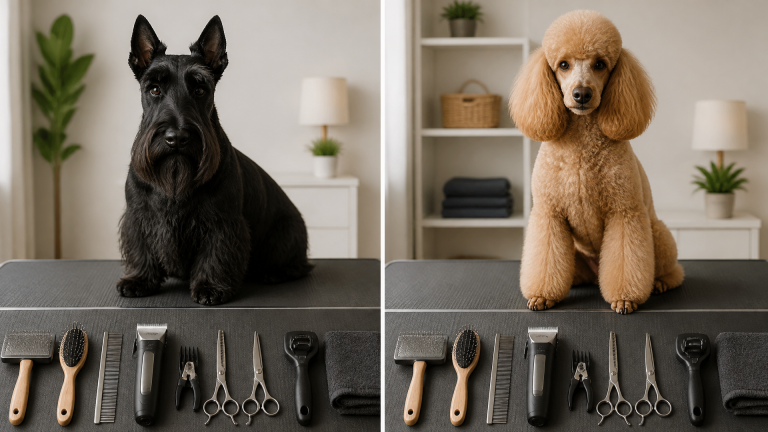
Tools you’ll need: slicker brush, metal comb, clippers with guard comb (#7F or #10 blade), grooming scissors, detangling spray, and a high‑velocity dryer or towel.
Step 1: Brush and Detangle Thoroughly
Work through every tangle with a slicker brush and metal comb. Mats left in the coat will pull and cause pain when clippers hit them. Run a metal comb from skin to hair tip. If it snags anywhere, soap and conditioner alone won’t fix it—you must physically remove each mat before clipping.
Step 2: Bathe and Dry Completely
Use a dog‑specific shampoo and conditioner. Blow‑dry on low heat until the coat is 100% dry—wet hair clogs clippers and leads to uneven cuts. The undercoat holds water like a sponge; press a paper towel against the skin to confirm dryness.
Step 3: Clip the Body
Attach a #1 or #2 guard comb (for 1–2 inch length) and clip in the direction of hair growth. Start at the neck and work back, using slow, even strokes. Going against the grain can cause clipper burn or uneven lines. If your dog has sensitive skin, test on a small patch on the back first. Watch for red, irritated spots later—if you see them, switch to a longer guard comb next time.
Step 4: Trim Legs and Tail
Switch to scissors or a smaller clipper blade to shape legs (blend into body length) and the tail (leave a small “flag” about 2 inches long). Keep the tail wider at the base to mimic the breed’s plumed look.
Step 5: Shape the Head and Topknot
Using thinning shears or scissors, round out the head hair into a soft dome. Keep the topknot full—it’s the Lhasa’s signature feature. Trim around the eyes for visibility. Cutting the topknot too short makes the face look disproportionate and takes months to regrow. Leave at least 2 inches on top.
Step 6: Clean Up Ears, Paws, and Sanitary Areas
Use a #10 blade (no guard) for ears and paw pads. Carefully trim the sanitary area to avoid matting and odor. Go slow—the skin here is thin, and a slip can cause a nick.
Expert Tips for Maintaining That Puppy Cut
Tip 1: Brush Daily Even With Short Hair
Action: Run a slicker brush over your Lhasa’s body every day, then follow with a metal comb to catch any clinging undercoat.
Mistake to avoid: Assuming short hair equals no brushing. The undercoat still sheds and mats close to the skin, causing irritation and hot spots.
Tip 2: Use the Right Clipper Blade and Guard
Action: Always start with a guard comb (e.g., #1 or #2) on a #7F or #10 blade. Test on a small patch first.
Mistake to avoid: Going straight to a #10 or #15 blade without a guard. That can cause clipper burn, razor bumps, or cut the skin—especially on the sensitive belly and inner legs.
Tip 3: Protect the Topknot and Tail
Action: Trim only the tips when shaping the topknot and tail, leaving at least 2 inches of length. Use thinning shears for a natural look.
Mistake to avoid: Cutting the topknot too short—it takes months to regrow, and a bald head doesn’t suit the Lhasa Apso. Also avoid trimming the tail to a stub; it should remain a gentle plume.
Puppy Cut vs. Other Lhasa Trims: At a Glance
| Trim | Body Length | Coat Care | Best For |
|---|---|---|---|
| Puppy Cut | 1–2 inches | Daily brushing, less detangling | Active owners who want low‑fuss look |
| Show Coat | Floor length | Daily brushing, frequent professional grooming | Show ring or owners who love the traditional full coat |
| Lion Cut | Body close‑shaved, head/tail full | Weekly brushing, seasonal | Dogs prone to matting or hot summers |
| Teddy Bear Cut | 2–3 inches, rounded body/head | Brushing every other day | Owners who want a fluffy but manageable pet cut |
When to See a Professional Groomer
- Your Lhasa has severe mats close to the skin.
- You’re nervous about clipping around the face, ears, or paws.
- You want a precision topknot and tail shape for the first cut.
- Your puppy is fidgety or hasn’t been introduced to clippers.
A good groomer can also show you the exact blade and guard comb to buy for future home trims.
FAQ
How often should I get the puppy cut refreshed?
Every 4–6 weeks, depending on how fast your Lhasa’s coat grows. Regular trims keep the shape neat and prevent awkward growth phases.
Will the coat grow back the same if I stop cutting it short?
Not exactly. The outer guard hairs may grow back coarser and take a full shedding cycle (6–12 months) to return to the original texture. The puppy cut is best for owners who plan to keep the short look.
Can I use human clippers on my Lhasa?
No. Human clippers clog with thick double coats and can overheat. Use a dog‑specific clipper with a sharp blade and proper cooling.
Save This Guide
The Lhasa Apso puppy cut is a practical, low‑fuss option that still needs daily brushing and careful clipping technique. Make the switch when you’re ready to commit to the shorter coat permanently—and always start with a groomer if you’re unsure about matting or blade choice. The result: a happy, comfortable Lhasa with a teddy‑bear look that’s easy to maintain.