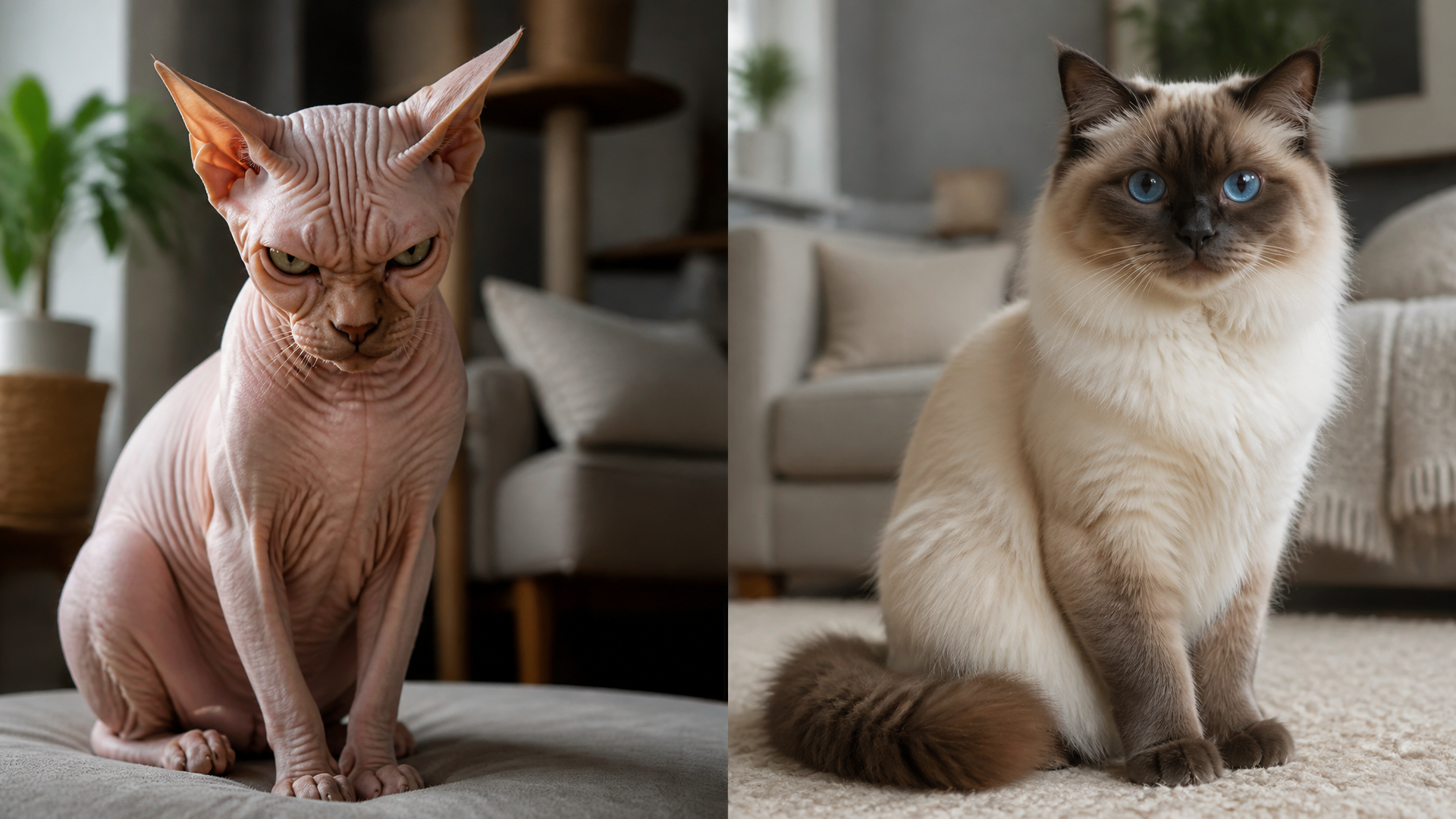
Sphynx Cat Scary: Guide: What Every Owner Should Know
Feeling uneasy about that hairless, wrinkled cat? Here’s the real story: that “scary” look is mostly skin-deep. Sphynx cats are actually one of the most affectionate, dog-like breeds you’ll ever own. But there’s one genuine problem that does make them look genuinely unsettling — and it’s 100% preventable with the right routine.

The One Failure Mode That Makes a Sphynx Look Truly Scary
A healthy Sphynx has clean, pink, soft skin. A neglected one looks greasy, patchy, and uncomfortable. Here’s how to tell the difference:
The scary look is almost always neglected skin. When a Sphynx develops heavy waxy buildup on the chin, tail, and skin folds, it creates a sticky, dirty appearance. Add red inflamed spots from clogged pores, sunburn on the ears, or chin acne that oozes, and you’ve got a cat that looks genuinely unhealthy — not just unusual.
How to detect it early: Run your palm over your cat’s back and chin every day. If it feels slick or smells musty, it’s time for a bath. Check under the tail and between every wrinkle. Any greasy feeling, rough patches, or unusual odor means action is needed today, not next week.
The Applicability Boundary: When This Answer Changes
This guidance applies to healthy Sphynx cats with normal oil production. If your cat has a diagnosed skin condition like feline acne, yeast overgrowth, or allergies, your vet’s specific treatment plan overrides these general steps. A Sphynx on prescription shampoo or medicated wipes should follow that schedule, not this one. Always confirm with your vet before changing routines for a cat under treatment.
What This Means for Your Next Choice
The practical takeaway: your daily job is prevention, not treatment. If your Sphynx currently looks clean and pink, keep doing what you’re doing. If you see greasy buildup or smell a musty odor, act immediately — a proper bath and daily wiping will usually fix it. If the problem persists after two baths, stop guessing and call the vet. That’s the difference between a slightly oily cat and a cat with a real infection.
Are Sphynx Cats Actually Aggressive or Mean?
Once you get past the first impression, Sphynx are the opposite of scary. They are:
- Extremely affectionate – They crave body heat and will burrow under blankets or sleep on your neck
- Social and dog-like – They follow owners from room to room and greet guests at the door
- Playful and energetic – They love interactive toys, fetch, and climbing
- Loud purrers and chatterers – They “talk” to you constantly
The only thing that might alarm you is how needy they can be. A lonely Sphynx will knock things off shelves or yowl for attention. That’s not scary — it’s just a cat saying “pay attention to me.”
Sphynx Cat Care Flow: Your Weekly Skin and Health Routine
Preparation
Gather warm water, Sphynx-safe cat shampoo (pH-balanced, fragrance-free), a soft washcloth, cotton balls, and a towel. Hypoallergenic, fragrance-free wipes work for quick spot cleans between baths.
Early Checkpoints (Do These Before Bathing)
1. Skin grease check – Run your palm over the back and chin. If it feels slick or smells musty, bath time is here
2. Ear check – Look inside for dark wax or redness. Sphynx ears produce more oil than furry breeds
3. Nail check – Long nails snag on blankets and cause pain. Clip every 10–14 days
4. Eye and nose wipe – Sphynx often have clear tear duct discharge. Wipe daily with a damp cloth
How to Verify You Need a Bath (Concrete Test)
Press a dry paper towel firmly against your cat’s chin and then the base of the tail. If the paper towel comes away with a visible yellow or brown oil stain, or if it feels greasy to the touch, your cat needs a bath today. If the paper towel stays clean and dry, you can wait another few days.
Bathing Steps (Every 1–3 Weeks)
1. Fill sink or tub with warm water, about 2–3 inches deep
2. Wet the cat’s body with a cup or sprayer — avoid the face
3. Apply a dime-sized amount of shampoo; lather gently, especially in skin folds
4. Rinse thoroughly until no suds remain (residue causes irritation)
5. Wrap in a warm towel and pat dry — never rub, as wrinkles can snap
6. Apply a light pet-safe moisturizer (like coconut oil) on dry elbows and nose if needed
Likely Causes of Skin Problems (Mismatches and Trade-Offs)
Here’s where owners often go wrong:
- Bathing too often (more than once a week) strips natural oils, causing the skin to produce even more oil to compensate. You end up with a greasier cat
- Using the wrong shampoo – Human shampoo dries out Sphynx skin. Only use cat-safe, pH-balanced formulas. The wrong product can cause flaking, redness, and itching
- Not rinsing well – Soap left in folds creates a waxy residue that traps dirt and bacteria. This leads to foul odors and rashes within 24 hours
- Dirty bedding – Sphynx oil transfers to fabric. If you wash the cat but put it back on a dirty blanket, the oil re-deposits onto clean skin. Wash bedding weekly in hot water
Escalation Signals: When to Stop and Call the Vet
- Oozing, crusty sores that don’t improve after a bath
- Large bald patches from rubbing or scratching
- Strong, foul odor from skin or ears that persists after cleaning
- Persistent scratching, head shaking, or pawing at the face
Success check: After a proper bath and daily wiping, the skin should look pink, clean, and smudge-free. Your Sphynx should purr contentedly, not squirm away during touch.
3 Expert Tips for New Sphynx Owners
1. Make warm spots available everywhere. Sphynx cats can’t regulate body temperature like furry cats. Provide heated cat beds or microwaveable heating pads wrapped in a towel. Common mistake: Assuming they can stay warm on their own — they’ll shiver and become stressed without heat sources.
2. Use pet-safe sunscreen on exposed skin. If your Sphynx enjoys sunbathing, apply a pet-safe SPF 30+ to the ears, nose, and back. Common mistake: Using human sunscreen with zinc oxide — it’s toxic if licked. Buy a formula made specifically for pets.
3. Start ear cleaning early, weekly. Sphynx ears collect wax fast. Use a cotton ball with a vet-approved ear cleaner. Common mistake: Waiting until you see dark wax — by then a mild infection may already be forming. Never use Q-tips inside the ear canal.
Sphynx vs. Other Hairless Breeds at a Glance
| Breed | Key Appearance Difference | Common “Scary” Factor | Care Notes |
|---|---|---|---|
| Sphynx | Wrinkled skin, big ears, wedge-shaped head | Looks like a tiny alien or gremlin | High oil production; bathe weekly to every 3 weeks |
| Donskoy | Fewer wrinkles, more folded ears, less fragile skin | Often mistaken for a starving Sphynx | Less oily; bathe less often |
| Peterbald | Long slender body, very fine short hair or bald | Looks like a svelte alien, may have “peach fuzz” | Minimal oil; some need no baths at all |
| Bambino | Sphynx + Munchkin mix (short legs) | Looks like a hairless dwarf cat | Regular Sphynx skin care plus joint health monitoring |
Warning Signs That Your Sphynx Needs a Vet Visit
- Sudden change in energy — a normally playful cat that hides or sleeps all day
- Skin that smells like yeast or cheese — likely a yeast overgrowth
- Lumps, bumps, or sores — could be cysts, infections, or rarely skin cancer
- Runny eyes or nose — respiratory infections are common in hairless breeds
- Unexplained weight loss — Sphynx have a high metabolism, but sudden loss needs checking
Save This Guide
Sphynx cats may look scary at first glance, but their affectionate, warm personalities win over even the most skeptical owners. The key to keeping your Sphynx from looking genuinely scary is consistent skin care: daily checks, weekly baths when needed, and early spotting of infection signs. Save these steps so you can give your Sphynx the best life — and avoid that greasy, neglected look that really is scary.
Affiliate disclosure: This article contains product links that may earn a commission at no extra cost to you. We only recommend items we genuinely find useful for Sphynx owners.
Quick checklist to print:
- ☐ Daily skin wipe-down with a damp cloth
- ☐ Weekly ear check and nail trim
- ☐ Bath every 1–3 weeks (or when paper towel test shows oil)
- ☐ Sun protection if outdoors
- ☐ Vet visit at first sign of redness, odor, or skin lesion