Reagle Beagle Three’s Company
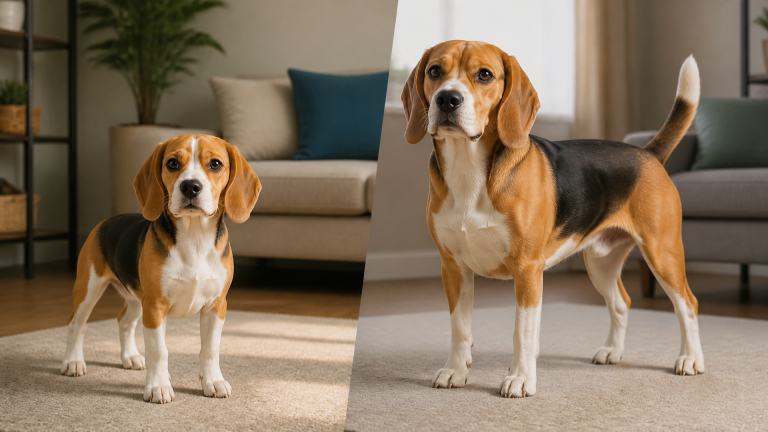
Your Beagle’s bark isn’t a behavior problem—it’s a breed feature. Bred to bay at prey and alert hunters, your hound’s “aroo” is hardwired, not intentional mischief. The counter-intuitive truth: scolding a Beagle for barking often makes it worse because they interpret your raised voice as joining the pack call. This guide gives you breed-specific tactics to manage vocalizing, curb separation anxiety, and turn your escape-artist hound into a calm housemate—working with their nose, not against it.

What this means for your next decision: You don’t need to eliminate barking entirely—that’s unrealistic for a Beagle. Instead, you need a management system that reduces frequency, redirects the drive, and keeps your dog mentally satisfied. If you’ve been punishing the bark and seeing no results, stop today. Switch to the scent-first approach below and track your Beagle’s progress over 2 weeks before deciding if you need professional help.
When These Techniques Work (and When They Don’t)
The methods in this guide work best for Beagles 4 months and older who are physically healthy and have no history of trauma. If your Beagle is under 4 months, focus on potty training and basic crate safety first—impulse control for barking develops later.
Skip this guide and see your vet or a veterinary behaviorist if:
- Your Beagle has been barking nonstop (over 30 minutes total per day) for 3+ weeks with no training improvement
- They’ve injured themselves trying to escape (broken teeth, bloody paws, damaged crate bars)
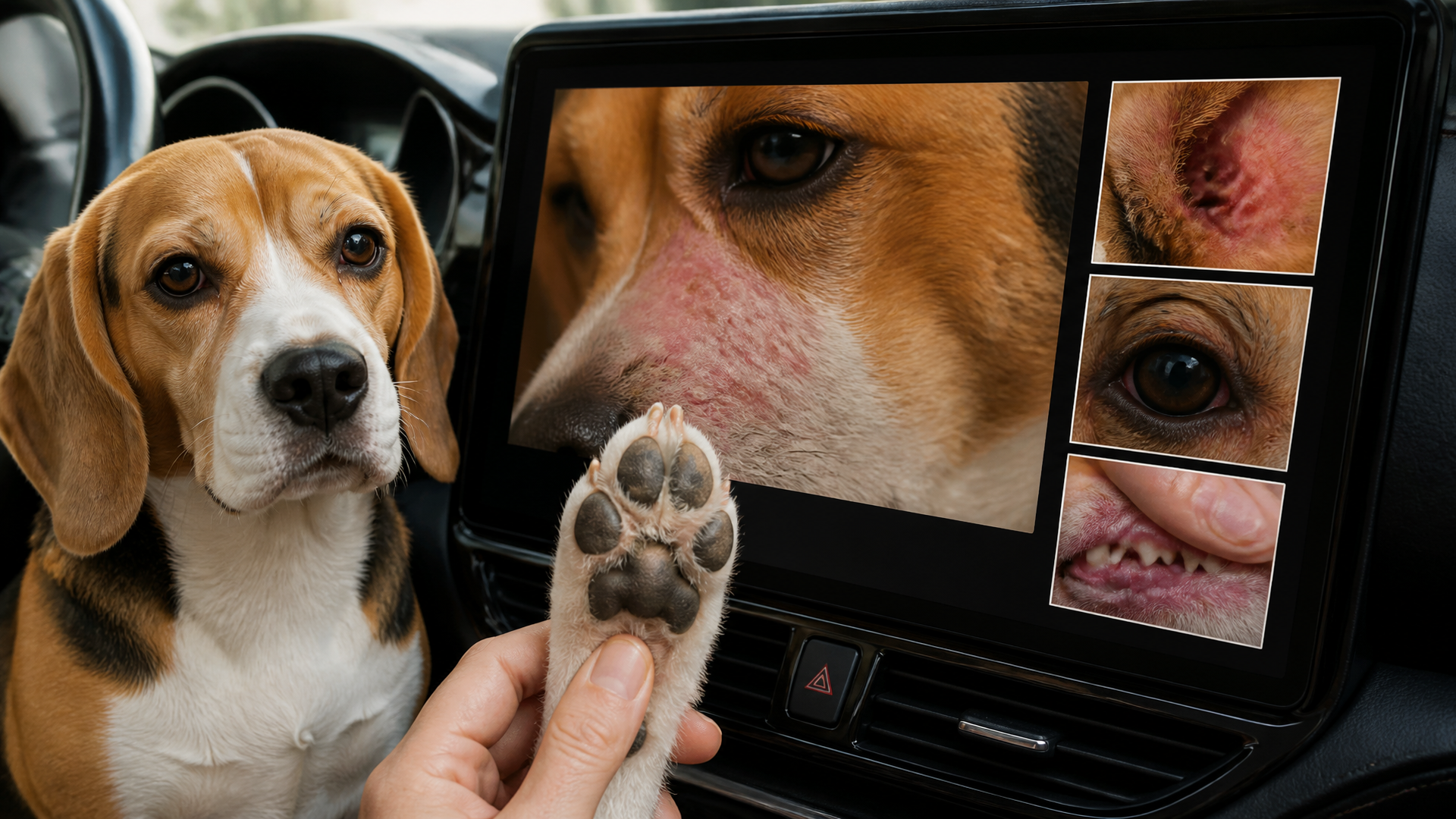
- The barking started suddenly with no trigger change—rule out ear infections, dental pain, or arthritis first
- You’ve tried positive-reinforcement training consistently for 4 weeks with zero progress
These boundaries matter because barking caused by medical pain won’t improve with nose games. Always rule out health issues before assuming it’s a training gap.
3 Things Every Beagle Owner Needs to Know First
Beagles aren’t stubborn for the sake of it. They’re optimized for a different job, and understanding that changes everything.
- Their nose rules everything – Once a Beagle locks onto a scent, verbal commands become background noise. Training must compete with this drive, not overpower it.
- Their bark is a bay, not a nuisance – That loud, melodic “aroo” is how they alerted hunters. You can’t eliminate it completely, but you can redirect and manage it.
- Pack dogs hate being alone – Beagles were bred to work in groups. Left solo, they often develop separation anxiety that leads to howling, digging, and destruction.
The Beagle Training Operator Flow: From Chaos to Calm
This step‑by‑step process works for Beagles 4 months and older. Follow the checkpoints and escalation signals closely.
Step 1: Satisfy the Nose First
A mentally tired Beagle is a quiet Beagle. Physical exercise alone isn’t enough—they need scent work.
| Activity | Minimum per day | How it helps |
|---|---|---|
| Sniff walks (let them choose direction for 15 min) | 2 | Drains mental energy better than a run |
| Nose games (hide treats in a snuffle mat or towel) | 10–15 min | Channels scavenging instinct productively |
| Scent‑training sessions (“Find It” game) | 5 min | Builds focus and impulse control |
Expert Tip #1: Use value, not force – Beagles are food‑motivated, so leverage that. Use high‑value treats like freeze‑dried liver or small cheese cubes. Actionable step: Reserve a special treat only for training sessions so it stays novel. Common mistake: Using the same kibble they eat from a bowl—it’s not exciting enough to compete with a real squirrel scent.
Checkpoint: After 1 week of consistent nose work, your Beagle should settle faster after walks and bark less at household noises. If not, increase sniff‑walk time by 10 minutes per session.
Step 2: Build a “Quiet” Cue That Sticks
1. Wait for a bark — at a trigger like a squirrel at the window or a delivery truck.
2. Stand in front of your Beagle, hold a treat near your nose, and say “Quiet” in a low, calm voice.
3. The instant they stop barking — even for half a second — mark with a click or “Yes!” and deliver the treat.
4. Repeat, gradually extending the quiet duration before rewarding.
Likely cause of failure: If your Beagle barks through the command, you’re either moving too fast (shorten the quiet window you demand), using a treat that’s not valuable enough, or practicing in a too‑distracting environment.
Escalation signal: After 4–5 sessions with no improvement, switch to a completely different location (like a quiet room) and restart with lower distractions.
Expert Tip #2: Capture calm moments – Don’t only practice during barking episodes. When your Beagle is lying quietly on their bed, drop a treat without saying a word. Actionable step: Set a timer for 5 minutes and reward every quiet moment you see. Common mistake: Rewarding only when they’re asleep—you want to catch the choice to be calm while awake.
Step 3: Desensitize to Your Departure
Beagles panic when they see departure cues (keys, shoes, coat). Fix this with “mini departs”:
- Start small – Put on shoes, then sit on the couch for 10 minutes. Repeat until they stop reacting.
- Add the key jingle – Pick up your keys, set them down, walk away. Repeat until neutral.
- Leave the room – Walk out of sight for 30 seconds, return calmly. Gradually increase to 5–10 minutes over 2 weeks.
- Use a stuffed Kong – Give a frozen peanut‑butter Kong right before you leave. This creates a positive anchor for your absence.
Likely cause of failure: If your Beagle howls the second you close the door, they haven’t learned that you always come back. The mini‑depart sequence teaches this—but only if you practice it daily.
Escalation signal: If your Beagle injures themselves (broken teeth on crate bars, bloody paws from digging) or you’ve trained consistently for 4 weeks with no progress, consult a certified veterinary behaviorist. Medication can serve as a short‑term bridge while training takes hold.
Expert Tip #3: Vary your departure length – If you always leave for 30 seconds, then 2 minutes, then 5 minutes in predictable order, your Beagle will learn the pattern and panic at the 5‑minute mark. Actionable step: Randomize departure durations—30 seconds, then 3 minutes, then 45 seconds, then 4 minutes. Common mistake: Only training departures when you actually need to leave—this creates high stakes. Practice when you have nowhere to go.
How to Verify the Training Is Working (Concrete Check)
Tracking progress keeps you honest and catches stalls early. Here’s how to verify:
- Log 3 days of baseline barking – Before starting Step 1, use your phone’s notes app to tally barks per day. Note triggers and time of day.
- Re-log every 7 days – Compare totals. A 30% reduction by week 2 means you’re on track. Less than 20% reduction in 2 weeks means you need to increase scent work time or revisit the quiet cue technique.
- The “door test” – After 3 weeks of mini-departs, record a 5-minute absence on your phone. If your Beagle settles within 2 minutes of you leaving and stays quiet for the remaining 3, you’ve built a solid foundation.
This verification matters because owners often think “nothing is working” when the dog is actually improving steadily but slowly. Data prevents you from switching methods prematurely.
Beagle Barking: What’s Normal and When to Act
Not all barks are equal. Use this quick reference:
| Bark type | Sound | Likely cause | Action |
|---|---|---|---|
| Baying alarm | Long, melodic “aroo” | Scent or stranger nearby | Can’t eliminate; redirect with “Quiet” cue |
| Repetitive high‑pitched bark | Fast, sharp “yip‑yip‑yip” | Boredom or under‑stimulation | Increase nose work and sniff walks |
| Low, guttural growl‑bark | Deep, sustained | Fear or resource guarding | Stop approaching; call a positive‑reinforcement trainer |
| Howling alone | Multi‑note howl after you leave | Separation anxiety | Follow Step 3 mini‑depart protocol |
When to escalate to a vet: If your Beagle barks at everything and nothing (more than 30 minutes total per day), schedule a check‑up. Ear infections, dental pain, or arthritis can trigger persistent vocalizing. Rule out medical causes before assuming it’s a training issue.
Daily & Weekly Care Checklist for a Calmer Beagle
Print this or save it to your phone.
Daily (5–10 minutes each)
- [ ] Morning sniff walk (15 min, let dog lead)
- [ ] 5‑minute nose game (hide kibble in a towel or cardboard box)
- [ ] “Quiet” practice session before high‑trigger times (mail delivery, dinner prep)
- [ ] Evening walk with structured obedience (sit at curbs, wait at doors)
Weekly (20–30 minutes)
- [ ] Scent‑training session (hide scented cotton balls around the yard)
- [ ] Check ears for redness, wax, or odor (Beagles are prone to ear infections that cause barking)
- [ ] Nail trim (clicking on floors = discomfort = more vocalizing)
- [ ] Rotate toys — give one new puzzle toy, remove one old
Monthly
- [ ] Brush with a slicker brush (they shed moderately) and bathe every 6–8 weeks with oatmeal shampoo
- [ ] Training tune‑up: re‑run the full operator flow from Step 1
A Realistic Limitation: When This Approach Hits a Wall
Even with perfect execution, some Beagles will still bark more than you’d like—especially around high-scent triggers (squirrels, rabbits, delivery animals). Here’s the trade-off:
- Multi-dog households: If you have a second dog that also barks, your Beagle will learn faster (pack behavior) but will also trigger-bark more because the other dog is a reliable alarm system. You need to train both dogs separately first, then together.
- Rescue Beagles with unknown history: A Beagle adopted at 2+ years old may have deep-rooted barking habits from neglect or inconsistent training. The 4-week timeline above may stretch to 8–12 weeks. Be patient and consider working with a trainer who uses scent-based motivation.
- Apartment living: Thin walls mean your Beagle’s bay carries far. Even with training, overnight howling or door-knock barking may be impossible to fully eliminate—consider white noise machines (rain sounds) near the crate and talk to your neighbors proactively.
The consequence of ignoring these limits: you spend weeks training and still get noise complaints, or you blame yourself unfairly. Adjust expectations based on your living situation and dog’s history—not the Instagram training reels.
Product Recommendations That Actually Help Beagles
Using the right tools speeds up training. We earn a small commission if you purchase through links, at no extra cost to you.
- Snuffle Mat – A 10‑minute sniff session on this tires a Beagle faster than a 30‑minute run. Great for rainy days.
- Kong Classic + Peanut Butter – Fill it, freeze it overnight, and give it when you leave. Buys 20–40 minutes of focused quiet.
- Martingale Collar – Flat collars slip over a Beagle’s narrow head. A martingale prevents escape without choking. Use for walks.
- Heavy‑Duty Wire Crate – Beagles are escape artists. Pick a metal crate with double‑locking latches if your dog is destructive when anxious.
- White Noise Machine (rain sounds) – Many owners report 60–70% reduction in trigger barking within two weeks when placed near the crate.
Save This Guide
Key takeaway: Your Beagle’s bark and independent streak aren’t flaws—they’re survival tools from centuries of breeding. Work with their nose, not against it. Satisfy the sniffing instinct first, then layer in the quiet cue and departure desensitization. Track your progress weekly with the door test and bark log, and escalate to a vet or behaviorist if you see no improvement after 4 weeks or any self-injury behavior.