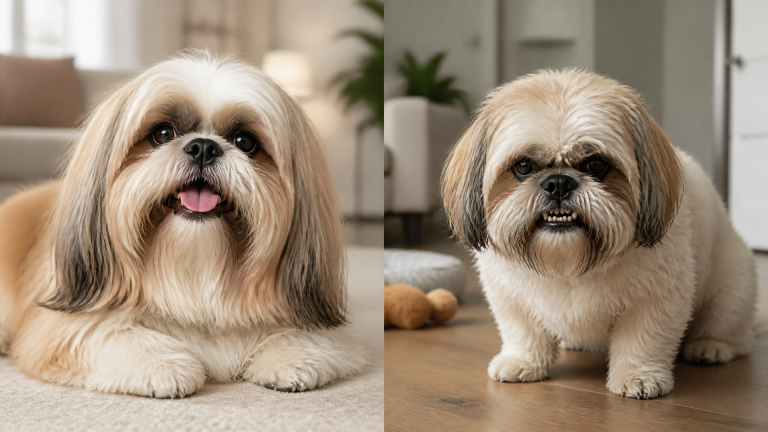
American Bull Dog Snd Allergies
If your American Bulldog won’t stop scratching, licking their paws, or rubbing their face, allergies are likely the culprit. This breed is prone to environmental allergies, food sensitivities, and skin infections — but with the right approach, most dogs get significant relief. Start by ruling out fleas and checking for red, inflamed skin between the toes and in the ear flaps. Then work through the common triggers below.

Note on applicability: This guide covers mild to moderate allergy symptoms in American Bulldogs. If your dog has open sores, crusty lesions on the nose or paw pads, or is losing weight alongside the itching, skip straight to your vet — this is not a DIY situation.
What’s Actually Causing Your Bulldog’s Itch
American Bulldogs have short coats, prominent skin folds, and a genetic predisposition to atopic dermatitis. That means they react to things in their environment and in their bowl more than many other breeds.
Environmental allergens — Pollen, dust mites, mold, and grass are the biggest offenders. Your bulldog’s paws and belly pick up these particles on walks, and because the breed has a low coat density, the allergens reach the skin directly.
Food sensitivities — Chicken, beef, corn, wheat, and soy are the most common triggers. Unlike true food allergies (which are rare), most bulldogs have food sensitivities that show up as chronic itch, ear infections, or loose stools.
Contact allergies — Bedding materials, carpet cleaners, and even certain plastic food bowls can cause localized reactions on the chin, chest, or belly.
Secondary infections — Allergies weaken the skin barrier. Yeast and bacteria move in, making the itch exponentially worse. That sweet, musty smell? That’s yeast.
7 Warning Signs of Allergies in American Bulldogs
Not all itching means allergies, but if your bulldog shows three or more of these, it’s time to investigate.
- Paw licking or chewing (especially between the toes)
- Red, inflamed skin in the armpits, groin, or belly
- Recurring ear infections (dark discharge or yeasty smell)
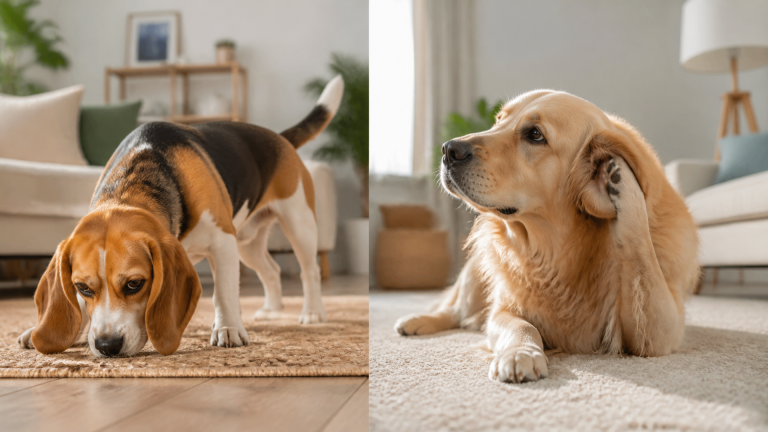
- Face rubbing against furniture or carpet
- Hair loss or hot spots on the back or tail
- Red, runny eyes or sneezing fits
- Chronic anal gland issues or scooting
BLOCKQUOTE_0
How to Diagnose — And How to Decide What to Do First
The fastest way to narrow down the cause is a two-week elimination trial paired with environmental management. Here’s the decision rule that changes what you should try first:
If the itching started suddenly and seasonally (spring or fall), start with environmental controls.
If the itching is year-round or came on after a food change, start with diet.
| Approach | Time to see results | Best for | What you need |
|---|---|---|---|
| Flea prevention (year-round) | 7-14 days | Any dog that goes outside | Vet-recommended topical or oral flea med |
| Environmental management | 1-2 weeks | Seasonal itch, paw/face redness | HEPA air purifier, frequent wiping of paws, hypoallergenic bedding |
| Food elimination diet | 4-8 weeks | Year-round itch, chronic ear infections | Single novel protein food (hydrolyzed protein or a protein your dog has never eaten) |
| Allergy medication (vet-prescribed) | 3-7 days | Moderate to severe symptoms | Apoquel, Cytopoint injections, or antihistamines (use only with vet guidance) |
What Your Choice Means in Practice
If you start with environmental controls and see no improvement after two weeks, your bulldog likely has a food sensitivity — switch to the elimination diet. If you start with diet and the itch drops, stay on it for a full four weeks to confirm. If neither works, your bulldog probably has both environmental and food triggers, and you’ll need prescription medication from your vet.
Step-by-Step: A 3-Week Action Plan for Relief
This flow works for most American Bulldogs. Follow it in order and stop at the step that gives your dog relief.
Week 1 — Stop the acute itch
1. Give a bath with a colloidal oatmeal or chlorhexidine shampoo (like Veterinary Formula Clinical Care). Let it sit for 10 minutes before rinsing.
2. Wipe your bulldog’s paws and belly with a damp cloth after every walk.
3. Wash their bedding in hot, fragrance-free detergent.
4. Apply a vet-recommended flea preventive if not already using one.
Week 2 — Test for food triggers
5. Switch to a limited-ingredient diet with a single novel protein (venison, rabbit, or duck) and a single carbohydrate (potato or pea). Brands like Natural Balance L.I.D. or Hill’s Prescription Diet d/d work well.
6. Remove all treats, chews, flavored toys, and table scraps for the full two weeks.
7. Keep a daily log of itch intensity (1-10 scale) and stool quality.
Week 3 — Evaluate and escalate
8. If itch drops by 50%+ on the new diet, food sensitivity is likely. Stay on the diet for 4 more weeks to confirm.
9. If itch does not improve, reintroduce the old food for one week. If symptoms return, you’ve confirmed the trigger.
10. If no improvement with either diet or environmental changes, schedule a vet visit for allergy testing and prescription management.
BLOCKQUOTE_1
BLOCKQUOTE_2
Verification Step: Confirm Your Food Trigger
Once you see improvement on the novel protein diet, challenge your bulldog by reintroducing their old food for one week. If symptoms return within 2-5 days, you’ve confirmed the trigger. If symptoms don’t return, the original food was likely not the problem, and you should focus on environmental management instead.
3 Practical Tips From Experienced Bulldog Owners
These moves separate the frustrated owners from the ones whose bulldogs are finally comfortable.
Tip 1: Focus on fold care weekly
- Actionable step: Clean your bulldog’s facial folds and tail pocket every week with a medicated wipe (like Dechra Malacetic Wipes). Dry thoroughly after.
- Common mistake: Using baby wipes or alcohol-based cleansers. These strip the skin’s natural barrier and make allergies worse.
Tip 2: Rotate protein sources every 3-4 months
- Actionable step: Switch between two or three novel proteins (e.g., venison to duck to salmon) to prevent new sensitivities from developing.
- Common mistake: Feeding the same “limited-ingredient” food for years. Dogs can develop sensitivities even to novel proteins over time.
Tip 3: Use a HEPA air purifier in the room your dog sleeps in
- Actionable step: Run an air purifier 24/7 in the bedroom or living area where your bulldog spends the most time. Change the filter every 3 months. Units like Levoit Core 300 are affordable and effective.
- Common mistake: Placing the purifier in a corner or behind furniture. It needs 360° airflow to work.
Realistic Limitations to Expect
Even with perfect management, some American Bulldogs will still need prescription medication. Environmental and food allergies often coexist, and flares can happen during high-pollen seasons regardless of diet. The goal is to reduce symptoms to a manageable level (itch score of 3 or lower on your log), not to eliminate them entirely. If your bulldog’s itch score stays above 5 after six weeks of consistent effort, prescription medication is the appropriate next step — not a sign of failure.
American Bulldog Allergies FAQ
Can American Bulldogs develop allergies suddenly as adults?
Yes. Many bulldogs show their first allergy symptoms between 1-3 years old. Even dogs that were fine as puppies can develop environmental or food sensitivities later in life.
Is it safe to give my bulldog Benadryl?
Yes, with vet approval on dosing. The standard guideline is 1 mg per pound of body weight, given every 8-12 hours. But antihistamines only work for about 20-30% of allergic dogs, so don’t be discouraged if it doesn’t help.
Should I switch to a grain-free diet?
Not automatically. Grain allergies are less common in American Bulldogs than protein allergies. If you suspect a food issue, try a grain-free limited-ingredient diet with a novel protein first.
How often should I bathe an allergic American Bulldog?
Every 1-2 weeks with a hypoallergenic or medicated shampoo is safe and beneficial. Bathing removes allergens from the skin and coat. Over-bathing (more than once a week) without a moisturizing conditioner can dry out the skin.
Save This Guide
American Bulldog allergies are manageable once you know what you’re dealing with. Start with environmental controls and a two-week food elimination trial, monitor the itch scale daily, and don’t be afraid to involve your vet if symptoms don’t improve. Key takeaway: consistent fold care and a targeted diet change solve most bulldog allergy cases without prescription medication. If your bulldog’s itch score stays above 5 after six weeks, prescription medication is the appropriate next step.
Products mentioned are examples for reference. As an affiliate, we may earn a commission on qualifying purchases at no extra cost to you.