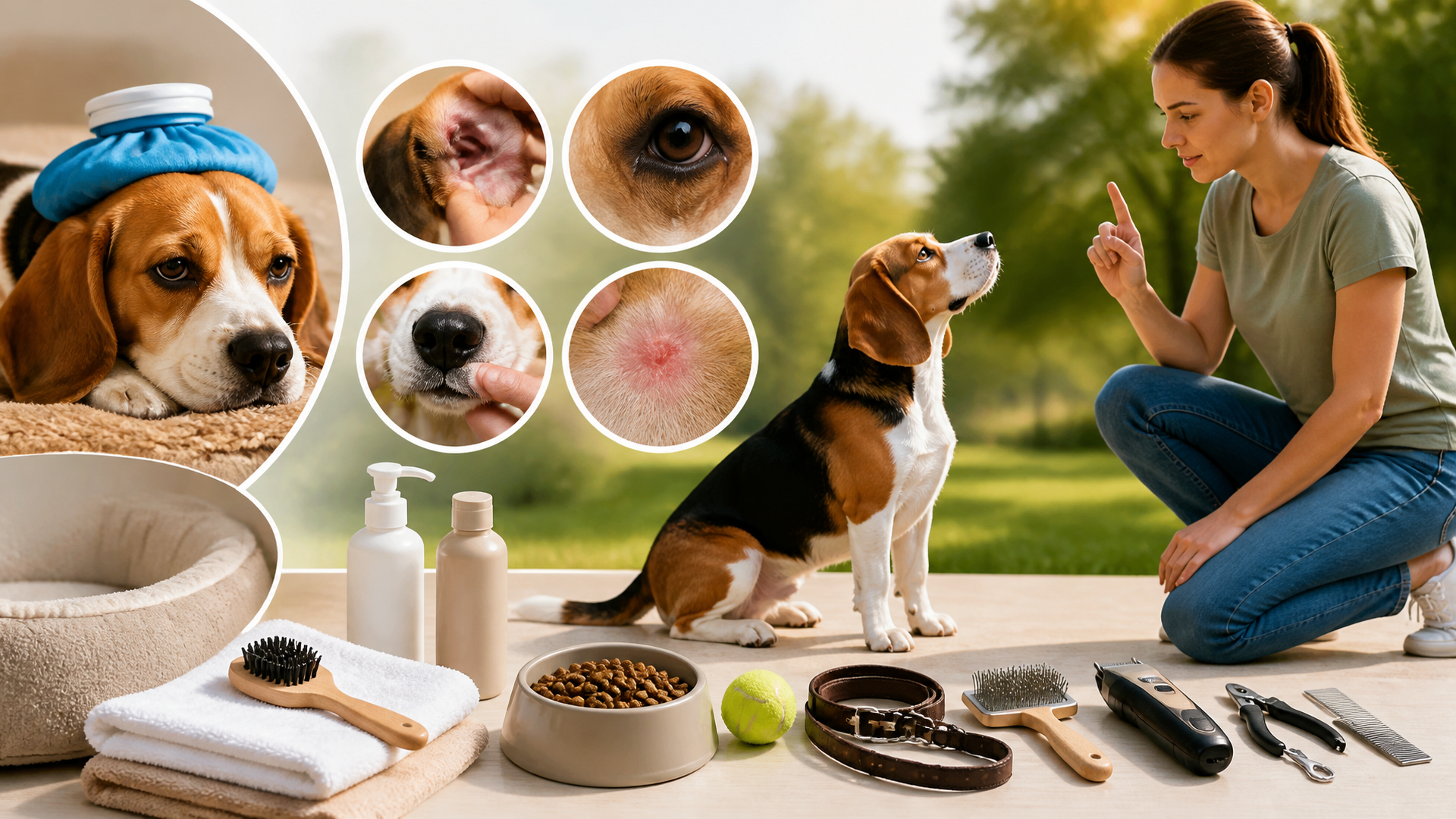
Beagle Health Issues Eropharmfast: Warning Signs & What To Do
Your Beagle can’t tell you when something feels wrong — but their body will. The most dangerous health threats in Beagles often start with subtle signs that owners chalk up to normal behavior. Check ears weekly, weigh monthly, and know which symptoms need a same-day vet visit.

Beagles are generally healthy dogs with a 12–15 year lifespan, but they carry breed-specific vulnerabilities. The #1 mistake owners make is dismissing early warning signs as “just being a Beagle” — especially appetite changes and ear discomfort.
What Is Eropharmfast and Why Are Beagle Owners Asking About It?
If you’ve come across “eropharmfast” while researching Beagle health, you’re not alone. This isn’t a recognized veterinary term, medication, or condition. It’s likely a misspelling, brand name variant, or term from a niche online community. Don’t chase the keyword. Instead, focus on the proven health protocols every Beagle owner needs. The warning signs and action steps below are what vets actually recommend.
Critical Warning Signs That Need a Vet Visit
Beagles hide pain well. These symptoms mean call your vet today:
- Ear scratching or head shaking lasting more than 24 hours. Beagles’ floppy ears trap moisture and warmth — perfect for infections.
- Scooting or licking the rear end. Could be anal gland issues (common in Beagles) or allergies. Neither resolves on its own.
- Sudden weight gain or extreme hunger. Rapid weight changes can signal thyroid problems, even if your Beagle is food-motivated by nature.
- Limping that doesn’t resolve after rest. Beagles are prone to hip dysplasia and intervertebral disc disease (IVDD).
- Excessive drinking and urination. Early sign of diabetes or Cushing’s disease — both more common in Beagles than in many breeds.
- Bloat (distended belly, unproductive retching). This is a life-threatening emergency. Go to the ER immediately.
Expert Tips for Spotting Trouble Early
Tip 1: Check ears visually twice a week. Flip the flap and look for redness, dark discharge, or a yeast smell. Common mistake: waiting until your Beagle is scratching before you check. By then an infection has already taken hold.
Action step: Use a vet-recommended ear cleaner weekly as prevention. After cleaning, the ear flap interior should be dry and pale pink. If it stays oily or dark, switch products or ask your vet for a medicated option.
Tip 2: Track weight monthly with a simple body condition score. Common mistake: assuming your Beagle’s weight is fine because they still have a defined waist. Beagles can be overweight and still look “normal” to untrained eyes.
Action step: You should feel ribs with light pressure — not see them, not have to press through fat. If you can’t feel ribs easily or there’s a fat pad over the ribs without a waist, your Beagle is overweight.
Tip 3: Watch for “silent” back pain. If your Beagle hesitates before jumping on the couch, yelps when picked up under the belly, or walks with a bunny-hop gait in the back legs, that’s a red flag — even if they’re still eating.
Action step: Restrict jumping and use a ramp for furniture if your Beagle has had back issues before. Some dogs refuse ramps — in that case carry your dog up and down stairs and train them to wait for a lift instead.
The Beagle Health Check You Can Do in 60 Seconds
Run through this quick check every week. Any “no” answer means schedule a vet appointment.
- Ears — Both flaps clean, no smell, no redness? Yes / No
- Teeth & gums — No brown tartar buildup, no bleeding when you press the gum line? Yes / No
- Coat & skin — No bald patches, no scabs, no excessive dandruff? Yes / No
- Weight — Ribs easily felt with light pressure, visible waist from above? Yes / No
- Energy — Normal activity level for age, no sudden stiffness or lagging on walks? Yes / No
Breed-Specific Conditions Every Beagle Owner Should Know
Beagles have a short, dense coat that sheds year-round, but their most common health problems go deeper than fur.
Ear Infections
Beagles consistently rank among the top breeds for chronic ear infections. The floppy ear canal is dark, warm, and poorly ventilated. If your Beagle gets recurrent infections, ask your vet about allergy testing — food allergies are often the root cause.
What you can do: Clean ears weekly with a gentle drying cleaner like Vet’s Best Ear Cleansing Wipes. Avoid cotton swabs — they push debris deeper. After cleaning, the ear flap interior should be dry and pale pink. If it remains red or has discharge after two cleanings, switch to a prescribed antifungal or antibiotic drop.
Trade-off: Over-the-counter cleaners work for maintenance but won’t treat an active infection. Using them on an infected ear can delay healing and let the infection spread.
Hypothyroidism
Symptoms include weight gain despite normal or reduced food intake, hair thinning along the tail and back, and lethargy. Treatment is affordable and effective — daily medication plus annual blood work.
What you can do: If your Beagle gains weight quickly without a diet change, ask for a thyroid blood panel. Some vets may skip this test if your dog shows only partial symptoms. Request it explicitly.
Intervertebral Disc Disease (IVDD)
Beagles have long backs relative to their body size, making them prone to disc problems. Early signs include reluctance to use stairs, a hunched back, or trembling.
What you can do: Keep your Beagle at a healthy weight — extra pounds put direct strain on the spine. Use a harness instead of a collar to reduce neck pressure. A harness won’t prevent a disc rupture if the dog jumps off furniture, but it helps.
Cherry Eye
This prolapsed tear gland appears as a red, fleshy mass at the inner corner of the eye. It isn’t an emergency, but it does need surgical correction to prevent dry eye.
What you can do: Don’t try to push it back — you can damage the gland permanently. Schedule an appointment with a veterinary ophthalmologist.
Food Allergies and Skin Issues
Beagles are genetically prone to environmental and food allergies. Common triggers: chicken, beef, and grains. Signs include chronic ear infections, face rubbing, and paw licking.
What you can do: Try a limited-ingredient diet with a novel protein source (duck, venison, or fish) for 8–12 weeks. Keep a symptom diary. An elimination trial can be frustrating if your Beagle sneaks treats — every person in the household must follow the same no-scraps rule.
When to Call the Vet vs. When You Can Wait
Go to the ER immediately:
- Bloated abdomen with retching or panting
- Collapse or inability to stand
- Seizure lasting more than 2 minutes
- Difficulty breathing
- Hit by a car or fall from height
Call the vet today (not tomorrow):
- Limping with visible swelling or refusal to bear weight
- Vomiting or diarrhea lasting more than 12 hours
- Blood in urine or stool
- Eye injury or visible cherry eye
- Lethargy combined with not eating for 24 hours
Schedule a routine appointment:
- Gradual weight gain or loss over weeks
- Intermittent ear infections (more than 2 per year)
- Skin issues that don’t respond to basic care
- Bad breath with visible tartar
The #1 Health Prevention Tool for Beagles
Beagles are biologically wired to eat everything in sight. This isn’t a training issue — it’s a breed characteristic that makes weight management harder than in most dogs.
Feed a high-quality, breed-appropriate food with no fillers. Measure every meal with a cup or kitchen scale — never free-feed. Treats should make up no more than 10% of daily calories.
Counter-intuitive angle: The biggest risk to your Beagle’s health isn’t the food you buy — it’s the food you think is “just one treat.” Obesity in Beagles is so common that many owners don’t recognize it. An overweight Beagle looks normal in a pack of other overweight Beagles but carries years of preventable joint, heart, and metabolic damage.
What you can do: Use a slow feeder bowl to prevent gulping and bloating. Consider a food puzzle toy like the Outward Hound Fun Feeder to engage your Beagle’s nose while controlling portions. Both tools work with the breed’s instincts instead of against them.
Trade-off to keep in mind: Even with perfect portion control, some Beagles will still gain weight if they have undiagnosed hypothyroidism. If your Beagle eats the recommended amount yet still gains, request a thyroid test. No amount of diet adjustment fixes a medication deficiency.
Save This Guide
Beagles hide pain well, so you must be the detective. Weekly ear checks, monthly weight monitoring, and knowing the difference between “typical Beagle behavior” and a real symptom will keep your dog healthier longer. Bookmark this page — you’ll reference it more than you think.
As an Amazon Associate, we may earn from qualifying purchases on product recommendations made in this article.
Frequently Asked Questions
What are the most common health issues in Beagles?
Ear infections, hypothyroidism, IVDD (back problems), cherry eye, and food allergies are the most frequent breed-specific conditions. Obesity compounds all of these risks.
How often should I clean my Beagle’s ears?
Once a week with a gentle drying cleaner is sufficient for maintenance. If you see redness or smell yeast, clean daily until symptoms resolve, but also schedule a vet visit for an exam.