Pomeranian Care Requirements: Daily Routine & Expert Tips
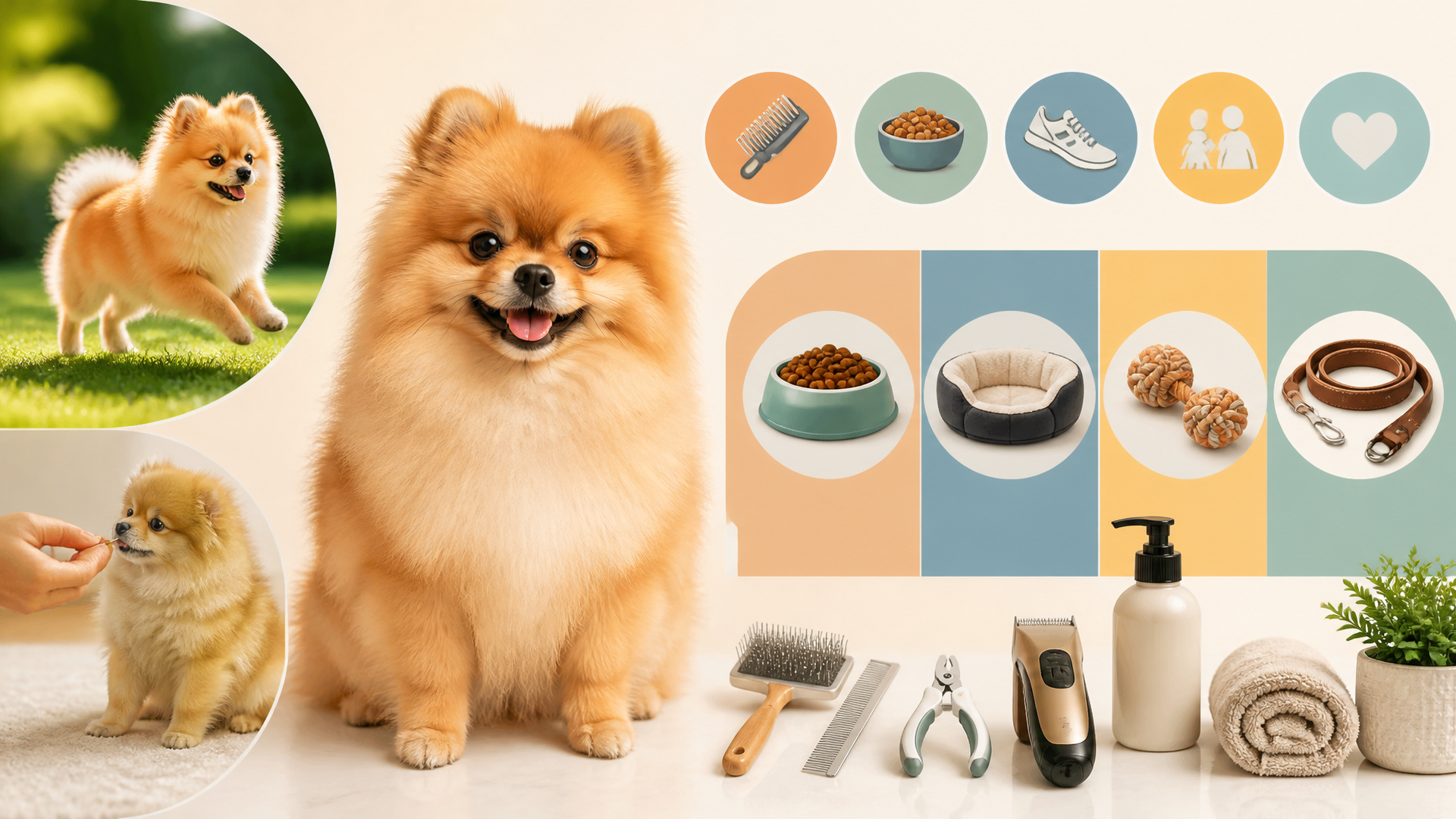
Owning a Pomeranian means committing to daily brushing, portion-controlled meals, short exercise, and early socialization. Get these right, and your Pom can stay healthy for 12 to 16 years. The #1 mistake new owners make? Over-bathing. A Pomeranian’s double coat needs bathing every 3 to 4 weeks maximum — but it needs daily brushing without exception. Here’s exactly what your Pom needs, day by day.

The Five Daily Non-Negotiables
Pomeranians thrive on predictability. Build these five actions into your daily schedule:
| Task | Frequency | Why It Matters |
|---|---|---|
| Brush coat (slicker brush + pin brush) | Every day | Prevents mats and removes loose undercoat |
| Fresh water + measured meals | Twice a day for adults | Maintains healthy weight and hydration |
| Potty break | Every 2–3 hours (adults) | House-training success and bladder health |
| Mental stimulation (5–10 min) | Daily | Prevents boredom barking and chewing |
| Short play or walk (15–20 min total) | Daily | Meets exercise needs without joint stress |
Pomeranians are smart and easily bored. Rotate puzzle toys and practice simple commands (sit, stay, paw) to keep their mind engaged. A bored Pom will bark excessively — this is the noisiest small breed when under-stimulated.
Feeding Your Pomeranian Right
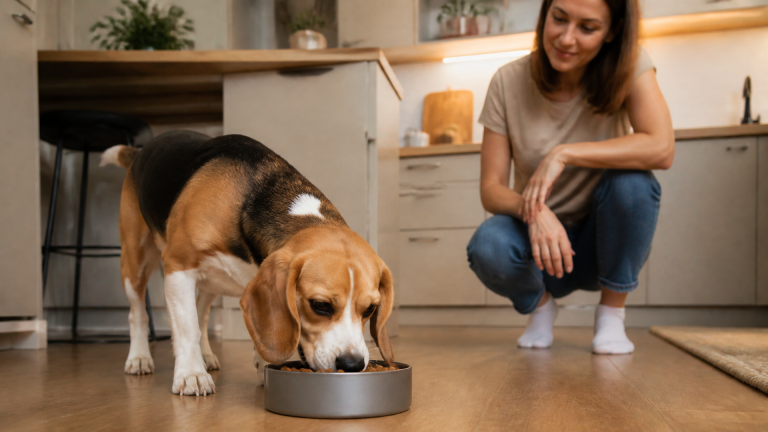
A small-breed dog needs a diet formulated for toy breeds. Portion size depends on weight and activity level, but a typical adult Pom eats ¼ to ½ cup of high-quality kibble per day, split into two meals.
- Puppies (under 6 months): 3–4 small meals per day
- Adults (6 months – 8 years): 2 meals per day
- Seniors (8+ years): 2 meals per day, possibly switching to senior formula
Foods to avoid: chocolate, grapes, raisins, onions, garlic, xylitol (often in sugar-free gum and peanut butter), and macadamia nuts. Because Pomeranians are small, even a tiny amount of these can be dangerous. See a full list from the ASPCA Animal Poison Control. Also watch for household hazards like electrical cords and small choking hazards — a Pom’s size makes everything more risky.
Recommended food type: A small-breed kibble with at least 30% protein and moderate fat. Brand examples: Royal Canin Pomeranian, Hill’s Science Diet Small Bites, or Nutro Ultra Small Breed. (We may earn a commission if you purchase through product links, at no extra cost to you.)
Grooming: The Real Work (and the #1 Mistake)
A Pomeranian’s double coat is beautiful but high-maintenance. The most common grooming mistake is bathing too often, which strips natural oils and can cause dry, itchy skin. Here’s how to get it right — and when to stop and get help.
Daily Brushing: Non-Negotiable
Use a slicker brush first to remove loose undercoat, then a pin brush to smooth the topcoat. Spend 5–10 minutes brushing every day, paying extra attention behind the ears, under the legs, and around the tail — common matting zones. If you skip even two days, you risk mats that will need to be shaved out.
Bathing: Every 3–4 Weeks Max
Bathe only when dirty or every 3–4 weeks, whichever comes first. Use a dog-specific shampoo formulated for double coats. After the bath, blow-dry on low heat while brushing to prevent mats from forming as the coat dries. Never leave a Pom wet — moisture trapped in the undercoat can lead to skin infections.
Nail Trimming & Dental Care
- Nails: Trim every 2–3 weeks. If you hear clicking on the floor, they’re too long.
- Teeth: Brush daily with dog-safe toothpaste. Pomeranians are prone to dental disease — tartar buildup is the leading cause of tooth loss in this breed.
Professional Grooming & When to Stop DIY
Take your Pom to a groomer every 4–8 weeks for a sanitary trim, nail grinding, and full coat check. Many owners learn to do the trim themselves, but a professional can spot skin issues early.
Stop and escalate if: You find a mat that is tight against the skin (don’t try to cut it out with scissors — you risk cutting skin), your Pom yelps or snaps when you brush a specific spot, or you see red, flaky, or oozing skin under the coat. Shave the area? No. Go to the groomer or vet. A mat that close to the skin needs professional handling.
Exercise and Mental Stimulation
Pomeranians are active but not high-energy. They need only 15–30 minutes of total exercise per day. That can be a short walk, indoor fetch, or a few rounds of tug-of-war.
Do not over-exercise: Poms have fragile joints (luxating patella is common) and can overheat quickly. Avoid long runs, jumps from furniture, or extended outdoor sessions in hot weather.
Stop and escalate if: Your Pom starts hopping or skipping while running (possible luxating patella), develops a honking cough (possible tracheal collapse, especially if using a collar), or seems reluctant to move or play. Switch to a harness immediately if you haven’t already, and call your vet.
Mental stimulation is just as important. Spend 5–10 minutes daily training new tricks or playing with a food puzzle. Without it, expect non-stop barking.
Health and Common Issues
Pomeranians are generally healthy, but three problems appear often:
| Condition | What to Watch For | Action |
|---|---|---|
| Luxating patella (loose kneecap) | Skipping or hopping while running | Vet check; mild cases managed with joint supplements, severe needs surgery |
| Tracheal collapse | Honking cough, especially when pulling on leash | Use a harness, not a collar; avoid vigorous tugging |
| Dental disease | Bad breath, yellow teeth, red gums | Daily brushing and annual dental cleanings |
Vet visit frequency: Annual wellness exam (seniors every 6 months). Vaccinations and heartworm prevention as your vet recommends.
Stop and escalate if: Your Pom vomits or has diarrhea for more than 12 hours, refuses food for more than 24 hours, has heavy or rapid breathing at rest, or shows a hunched back with reluctance to move. These are signs your DIY care has reached its limit — it’s time for professional help.
The Pomeranian Care Checklist (Quick Reference)
Use this checklist daily, weekly, and monthly to keep your Pom in top shape:
- [ ] Daily: Brush coat thoroughly with slicker brush then pin brush
- [ ] Daily: Wash water bowl and refill with fresh water
- [ ] Daily: Feed measured meals (no free-feeding)
- [ ] Daily: 5–10 minutes of training or puzzle play
- [ ] Daily: Check for eye discharge, tear stains, or redness
- [ ] Weekly: Check nails for length; trim if needed (stop if you see the quick — use styptic powder)
- [ ] Weekly: Inspect coat for mats or new lumps (if you find a tight mat, go to the groomer)
- [ ] Monthly: Bathe (only if needed; max every 3–4 weeks)
- [ ] Monthly: Brush teeth thoroughly at least 3–4 times this month
- [ ] Quarterly: Professional grooming visit
When to Call the Vet: Warning Signs
Call your veterinarian if your Pom shows any of these signs — and stop home care at that point:
- Vomiting or diarrhea that lasts more than 12 hours
- Hunched back or reluctance to move (possible patella issue)
- Coughing that persists for more than a day
- Sudden reluctance to eat or drink
- Limping or yelping when touched
- Heavy or rapid breathing at rest
- Any mat tight against the skin that you can’t safely remove
Success check: Your Pomeranian should have bright eyes, a soft shiny coat, steady appetite, normal energy, and consistent stool. If any of those change for more than 24 hours, schedule a vet visit. You’ve done your part — now let the pros take over.
Save This Guide
Pomeranian care requirements are simple once you know the routine: daily brushing, proper feeding, moderate exercise, and early health monitoring. Bookmark this page for your weekly checklist, and remember — bath less, brush more, and always use a harness, not a collar. Your Pom will thank you with 12+ years of lively companionship.