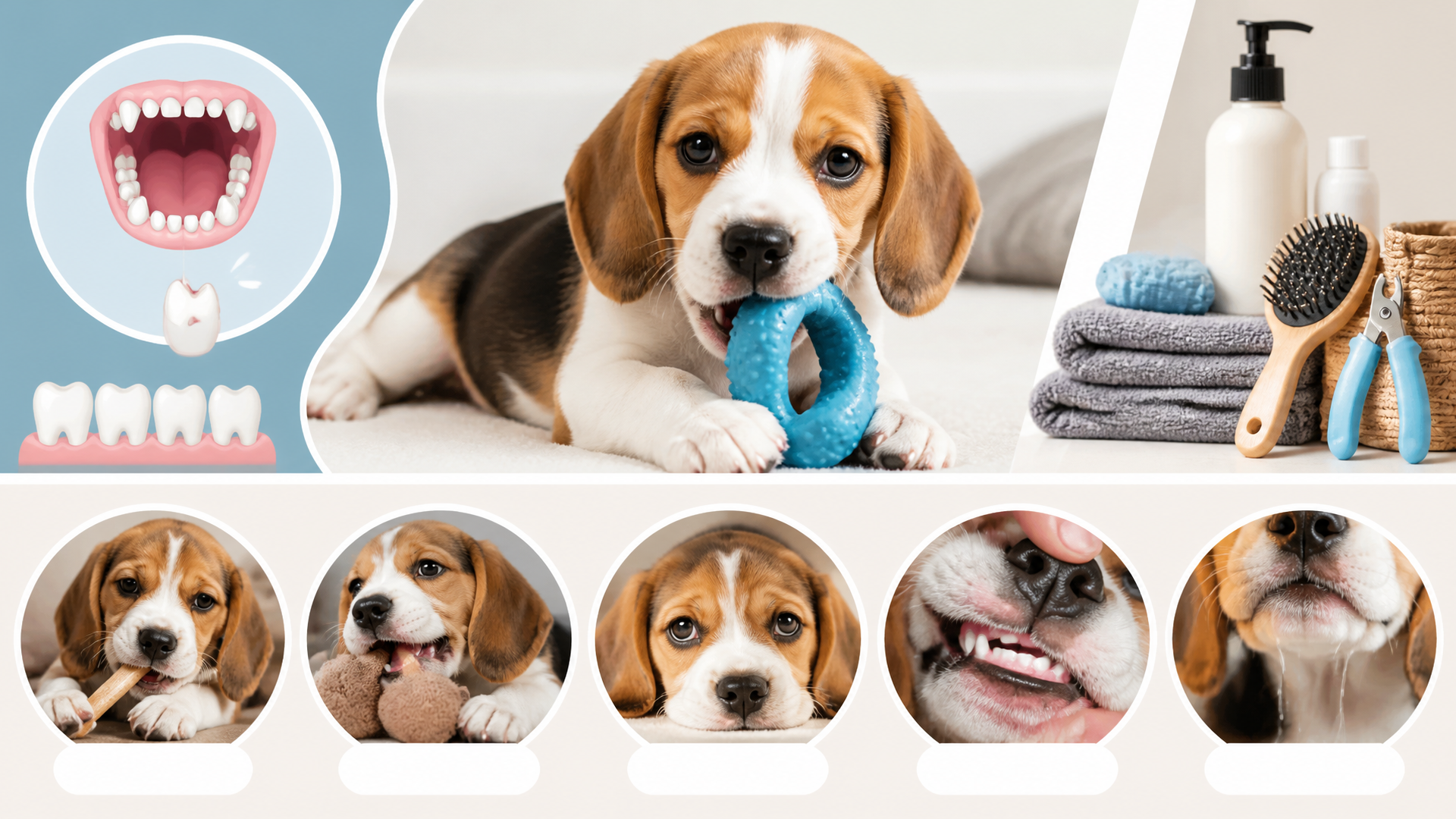
Understanding Beagle Teething Stages

Teething is a crucial developmental phase for beagle puppies, marking the transition from baby teeth to their adult set. Understanding the stages of this process is essential for pet owners to provide appropriate care and support during this time. As beagle teeth emerge and fall out, puppies may exhibit a variety of behavioral changes that can be both challenging and enlightening for their guardians. This article will outline the teething timeline, identify signs of teething, and offer practical tips for easing discomfort. By being informed, owners can ensure a smoother teething experience for their beloved beagle companions.

Free Dog Training Workshop

How to train your dog to be as calm and obedient as a service dog.

k9ti.org

Understanding the Teething Timeline

Understanding the teething timeline is essential for recognizing the various stages of a Beagle’s development. Familiarity with key teething milestones can aid owners in providing appropriate care during this crucial period. Additionally, being aware of the signs of teething progression can help in alleviating discomfort and ensuring a smoother transition for the puppy.

Key Teething Milestones

Key teething milestones serve as critical indicators of a Beagle’s growth and development, guiding owners in their care strategies during this formative phase. The eruption of baby teeth typically begins around three weeks of age, marking the initial phase of teething. By six months, the transition to adult teeth occurs, often accompanied by increased chewing behavior and potential discomfort. Owners should monitor their Beagle’s oral health and provide appropriate chew toys to facilitate this process. Understanding these milestones can significantly enhance the overall well-being of the puppy during its teething journey.

Signs of Teething Progression

Recognizing the signs of teething progression is vital for Beagle owners to effectively address their puppy’s needs and comfort during this developmental phase. Common indicators include increased chewing behavior, which may lead to a preference for harder toys or objects. Owners may also observe swollen gums and an increase in drooling, signaling discomfort. Additionally, changes in appetite or temporary behavioral shifts, such as irritability, can occur during this time. Monitoring these signs allows for timely intervention and support for the puppy’s well-being.

Signs of Teething in Beagle Puppies

Teething in Beagle puppies is a critical developmental phase characterized by noticeable signs that indicate discomfort and change. Recognizing these signs early can aid in providing appropriate care and support for the puppies during this transition. The following sections will outline common teething symptoms and the behavioral changes observed during this period.

Common Teething Symptoms

Common teething symptoms in Beagle puppies often include increased chewing behavior, excessive drooling, and noticeable irritability, all of which signal the discomfort associated with the eruption of new teeth. Additionally, puppies may exhibit a loss of appetite, as the discomfort can make eating less appealing. Some Beagle puppies may also engage in more frequent barking or whining, reflecting their distress during this period. Owners may observe swollen gums or the presence of blood on chew toys, indicating the physical changes occurring in the mouth. These symptoms typically vary in intensity and duration, making it essential for owners to monitor their puppies closely.

Behavioral Changes Observed

Behavioral changes observed in Beagle puppies during this developmental phase can manifest as increased irritability, chewing on objects, and alterations in their playfulness. These changes may also include heightened anxiety and a tendency to seek attention from their owners. Additionally, Beagle puppies may exhibit a decreased interest in routine activities, reflecting their discomfort. Alterations in sleeping patterns can also be noted, as some puppies may experience restlessness during this period. Understanding these behaviors is essential for providing effective support and care.

The First Set of Baby Teeth

The first set of baby teeth is a crucial milestone in a Beagle puppy’s development. These initial teeth play an essential role in their growth and overall health. Understanding the timeline and care associated with these teeth can significantly impact their future dental well-being.

Baby Teeth Timeline

A well-defined baby teeth timeline is essential for understanding the stages of dental development in Beagle puppies. Typically, Beagle puppies begin to develop their baby teeth around three weeks of age, with all 28 primary teeth usually emerging by six weeks. These teeth serve not only for eating but also for exploring their environment and interacting with littermates. By four months, these baby teeth start to fall out as they make way for the permanent adult teeth. Recognizing the timeline can help owners identify the signs of teething and provide appropriate care during this critical period.

Signs of Teething

Observing signs of discomfort or increased chewing behavior can indicate that a Beagle puppy is experiencing the teething process. Common indicators include excessive drooling, irritability, and a tendency to gnaw on various objects. These behaviors are typically more pronounced during the transition from baby teeth to adult teeth. Additionally, swollen gums and a reluctance to eat hard food can also signal teething issues. It is crucial for owners to be aware of these signs to ensure proper care for baby teeth.

Care for Baby Teeth

Effective care for baby teeth is vital to ensure proper jaw development and prevent future dental issues in Beagle puppies. Regular dental check-ups and appropriate oral hygiene practices are essential during this teething stage. Providing suitable chew toys can help alleviate discomfort while promoting healthy tooth development. Additionally, monitoring the transition from baby teeth to adult teeth allows for early detection of any abnormalities. Understanding the significance of this care lays the groundwork for discussing the importance of early dental care.

Importance of Early Dental Care

Early dental care is vital for ensuring a healthy mouth and preventing future dental issues in Beagle puppies. Establishing a dental care routine during the early stages of teething can help prevent plaque buildup and periodontal disease later in life. Regular dental check-ups allow for the monitoring of tooth development and the identification of potential problems. Providing appropriate chew toys can aid in soothing discomfort while promoting oral health. Ultimately, proactive dental care lays the foundation for a lifetime of healthy teeth and gums.

When Do Beagle Puppies Start Losing Baby Teeth?

Beagle puppies typically begin losing their baby teeth around three to four months of age. This natural process is essential for their oral development and paves the way for the emergence of adult teeth. Understanding the teething timeline and recognizing the signs of teething changes are crucial for managing this transitional phase effectively.

Teething Timeline Overview

The teething timeline for puppies generally spans from three to six months, during which they transition from baby teeth to adult dentition. This period involves the gradual loss of baby teeth, typically starting around three to four months of age. As the baby teeth loosen and fall out, adult teeth begin to emerge, marking significant growth in the puppy’s oral development. Common signs during this phase include increased chewing behavior, drooling, and slight gum sensitivity. Monitoring these changes is essential for ensuring the well-being and comfort of the puppy.

Signs of Teething Changes

Signs of teething changes in puppies often include increased chewing behavior, drooling, and irritability, indicating discomfort as they transition from baby teeth to adult teeth. Additionally, owners may notice small, lost teeth around the house, signaling that the puppy is actively losing their baby teeth. Some puppies may also experience a decrease in appetite due to the discomfort associated with teething. It is not uncommon for teething puppies to exhibit restless behavior, seeking out toys or other objects to chew on for relief. Recognizing these signs can aid in providing appropriate support and management during this critical developmental stage.

Emergence of Adult Teeth

The emergence of adult teeth is a significant developmental milestone in a Beagle’s life, marking the transition from puppyhood to maturity. This process typically occurs between the ages of four to six months and can be accompanied by various signs that indicate teething discomfort. Understanding the timeline and care associated with this phase is essential for ensuring the health and well-being of the dog.

Timeline of Adult Teeth

A clear timeline for the emergence of adult teeth in dogs highlights the typical transition phases, which can vary among individual animals but generally occurs within the four to six-month range. During this period, puppies will begin to lose their deciduous teeth, paving the way for the growth of permanent adult teeth. The molars typically emerge last, completing the set of adult teeth by approximately six months of age. Throughout this timeline, owners may observe behaviors such as chewing and increased salivation as signs of teething discomfort. Monitoring the dog’s dental health during this phase is crucial to address any potential complications that may arise.

Signs of Teething Discomfort

Teething discomfort in puppies often manifests through increased chewing behavior, irritability, and a tendency to seek out softer objects for relief. Additionally, owners may notice excessive drooling and a reluctance to eat hard food, as the pressure from emerging teeth can cause discomfort in the gums. Some puppies may also display changes in their play behavior, becoming more withdrawn or displaying signs of aggression due to the pain. While these signs can be distressing for both the puppy and the owner, they are a normal part of the teething process. Understanding these symptoms is crucial for providing appropriate care for emerging teeth.

Care for Emerging Teeth

Proper care for emerging teeth involves providing appropriate chew toys and maintaining oral hygiene to support dental development and alleviate discomfort. Regular dental check-ups are essential to monitor the progression of adult teeth and identify any potential issues early. A balanced diet rich in essential nutrients also plays a crucial role in promoting healthy tooth growth. Owners should be vigilant for signs of discomfort, such as increased chewing or drooling, to address their pet’s needs promptly. Additionally, ensuring access to fresh water is vital for overall oral health during this critical development stage.

Comparison with Other Breeds

Comparisons with other breeds reveal that Beagles may experience a slightly different timeline and intensity of adult teeth emergence, influenced by their unique genetic and developmental traits. While many breeds generally lose their puppy teeth around six months, Beagles may begin this process a bit earlier or later. Additionally, the degree of discomfort experienced during teething can vary, with Beagles potentially showing more pronounced signs of distress compared to some other breeds. The specific growth patterns of Beagle teeth may also differ, affecting their dental health and care requirements. Understanding these nuances is crucial for Beagle owners to provide appropriate support during this critical developmental stage.

Common Behavioral Changes During Teething

During the teething process, beagles may exhibit a range of behavioral changes that are important for owners to recognize. These changes can include increased chewing habits, mood swings, and irritability, reflecting the discomfort associated with emerging teeth. Understanding these signs is crucial for providing appropriate support during this developmental stage.

Behavioral Signs to Watch

Behavioral signs to watch for in beagles include excessive chewing, changes in appetite, and heightened levels of anxiety, all of which may indicate discomfort or stress. Additionally, beagles may display increased restlessness or a tendency to seek out attention from their owners. Some may also engage in destructive behavior as a means of coping with their discomfort. Furthermore, vocalizations may increase, signaling their distress during this phase. Recognizing these signs is essential for ensuring the well-being of beagles during their teething stages.

Increased Chewing Habits

Increased chewing habits in beagles can serve as a natural coping mechanism to alleviate discomfort associated with the eruption of their teeth. This behavior often manifests as a desire to chew on various objects, from toys to household items. Owners may observe their beagle seeking out items to gnaw on more frequently during this developmental phase. Providing appropriate chew toys can help redirect this behavior and minimize potential damage to personal belongings. As teething progresses, beagles may also experience mood swings and irritability that warrant attention.

Mood Swings and Irritability

Mood swings and irritability are common manifestations in beagles as they navigate the discomfort associated with teething. Owners may notice their beagle exhibiting sudden changes in temperament, ranging from playful to withdrawn. These fluctuations can be exacerbated by the pain and pressure of teeth breaking through the gums. It is essential for owners to remain patient and understanding during this period. Recognizing these emotional shifts can aid in providing the necessary care and reassurance to help beagles cope with their teething challenges.

Tips for Easing Teething Discomfort

Easing teething discomfort in Beagles requires a multifaceted approach tailored to their unique needs. By exploring effective strategies, caregivers can provide relief during this challenging developmental phase. The following points outline essential tips for managing teething discomfort in puppies.

Teething Toys Recommendations

Teething toys specifically designed for Beagles can significantly enhance comfort and promote healthy chewing habits during the teething phase. Selecting toys made from durable and safe materials is crucial to ensure they withstand vigorous chewing. Rubber and silicone options are ideal, as they provide the right amount of resistance while being gentle on sensitive gums. Additionally, incorporating toys with varying textures can stimulate and soothe a teething puppy effectively. Regularly rotating these toys can also keep the Beagle engaged and prevent boredom during this transitional period.

Soothing Techniques for Puppies

Soothing techniques for puppies play a crucial role in alleviating discomfort and promoting a sense of calm during their developmental stages. Utilizing gentle massage can help relax the puppy and ease the tension associated with teething. Providing a cool, wet cloth for them to chew on can soothe inflamed gums and offer relief. Creating a tranquil environment with soft music or white noise can reduce anxiety levels in teething puppies. Finally, consistent and positive reinforcement during these challenging times aids in building trust and comfort between the puppy and caregiver.

Home Remedies for Relief

Home remedies for relief can significantly alleviate discomfort associated with the teething process in Beagles. Natural options such as frozen fruits or vegetables can provide a soothing effect on sore gums. Additionally, herbal teas, when cooled and offered in moderation, may help reduce inflammation and discomfort. Applying a cold, damp washcloth for the puppy to chew on can also serve as an effective form of relief. Understanding these remedies lays the groundwork for selecting appropriate chew toys that can further assist in the teething process.

Choosing the Right Chew Toys

Selecting appropriate chew toys is essential for supporting your Beagle through its teething stages. The right toys can provide comfort while ensuring safety and durability. In the following sections, we will explore various types of chew toys, safety considerations, material choices, and recommend trusted brands.

Types of Chew Toys

Various types of chew toys are available on the market, each designed to cater to different chewing habits and preferences of dogs. Options include rubber toys, which offer durability and can withstand aggressive chewing, as well as dental chews that promote oral hygiene while satisfying the urge to chew. Additionally, plush toys provide comfort and can be used for gentle chewing, while interactive toys engage a dog’s mind and keep them entertained. Hard chews, such as antlers or bones, appeal to dogs that enjoy a firmer texture but should be monitored for splintering. As with any dog toy, it is crucial to consider safety to ensure a positive teething experience for your Beagle.

Safety Considerations for Toys

Safety considerations for chew toys are paramount to prevent potential choking hazards and ensure the well-being of your Beagle during its playful exploration. Choosing toys that are specifically designed for dogs can mitigate risks associated with small parts that may break off. It is crucial to inspect chew toys regularly for signs of wear and tear, replacing them as needed to maintain safety. Additionally, selecting non-toxic materials is essential to avoid harmful ingestion. Ultimately, understanding the specific needs of your Beagle during its teething stages will guide you in making informed decisions regarding toy safety.

Durability and Material Choices

Durability and material choices play a crucial role in ensuring that chew toys withstand the vigorous chewing habits of Beagles while providing a safe and enjoyable experience. High-quality materials such as rubber, nylon, and natural fibers are often recommended for their resilience and safety. It is essential to avoid toys made from toxic substances or those that can easily break apart, posing choking hazards. Additionally, the texture of the toy can significantly impact a Beagle’s interest and willingness to engage with it. Ultimately, selecting the right combination of durability and material can enhance the overall experience for both the pet and the owner.

Recommended Brands and Products

Trusted brands such as KONG, Nylabone, and Benebone offer a range of chew toys specifically designed to meet the needs of Beagles during their teething phase. These products are crafted from durable materials that can withstand vigorous chewing while promoting dental health. Additionally, many of these brands incorporate textures that help soothe sore gums and keep Beagles engaged. It is crucial to select toys that are appropriately sized to prevent choking hazards and ensure safe play. As teething progresses, monitoring oral health during this period becomes essential to prevent potential dental issues.

Monitoring Oral Health During Teething

Monitoring oral health during teething is crucial for ensuring the overall well-being of your Beagle. As they navigate this developmental stage, it is essential to recognize the signs of oral discomfort and take proactive measures to maintain healthy gums. Additionally, selecting appropriate teething toys can significantly aid in alleviating discomfort and promoting oral hygiene.

Signs of Oral Discomfort

Identifying signs of oral discomfort in Beagles is essential for timely intervention and ensuring their comfort during the teething process. Common indicators include excessive drooling, reluctance to eat, and frequent pawing at the mouth. Additionally, Beagles may exhibit behavioral changes such as increased irritability or restlessness during this time. Observing these signs can help pet owners provide appropriate care and support for their pets. Consequently, maintaining healthy gums becomes a crucial next step in promoting overall oral health during this developmental phase.

Maintaining Healthy Gums

Maintaining healthy gums is essential for preventing periodontal disease and ensuring the overall oral health of your Beagle throughout their life. Regular dental check-ups and cleanings can help identify any potential issues early on. Providing a balanced diet rich in nutrients supports gum health and promotes strong teeth. Incorporating dental chews and toys into their routine encourages proper chewing and helps reduce plaque buildup. Consistent home dental care, including brushing and gum care, is vital for maintaining optimal gum health.

Teething Toy Recommendations

Choosing the right teething toys can greatly enhance the comfort and oral health of your Beagle during the teething process. Opt for toys made of soft, yet durable materials that can withstand vigorous chewing while being gentle on developing gums. Rubber toys that can be chilled in the refrigerator often provide soothing relief for sore gums. Additionally, toys designed with textures can help massage the gums and encourage healthy chewing habits. Regularly inspect and replace worn-out teething toys to ensure your Beagle’s safety and continued oral health.

Frequently Asked Questions

Are there specific teething stages unique to beagle puppies compared to other breeds?

While teething is a universal process experienced by all canine breeds, there may be variations in the timeline and characteristics of this developmental stage among different breeds, including Beagles. Generally, puppies undergo a series of teething stages where their deciduous teeth emerge and later fall out to make way for permanent teeth. Beagle puppies, like others, typically start teething around three weeks of age, with the process continuing until they are about six months old. However, individual factors such as genetics, health, and environment can influence the teething experience. It is essential to recognize that while the overall stages may be similar, the specific behaviors and discomfort levels exhibited by Beagle puppies might differ from those of other breeds. Consequently, understanding these nuances can aid in providing appropriate care and support during this critical developmental phase.

How long does the teething process typically last for beagle puppies?

The teething process for puppies generally spans several weeks, typically commencing around three weeks of age and concluding by six months. For Beagle puppies specifically, this process is similar, lasting from approximately four to six months. During this period, puppies will experience the shedding of their deciduous teeth and the eruption of their permanent teeth. It is essential to monitor this phase, as teething can lead to discomfort and behavioral changes in the puppy. Providing appropriate chew toys can alleviate some of the discomfort associated with teething. Overall, understanding the duration and nature of this process is crucial for ensuring the well-being of Beagle puppies during this developmental stage.

What are the potential long-term effects of teething on a beagle’s oral health?

The potential long-term effects of teething on a beagle’s oral health can be significant if not properly managed. During the teething process, puppies may experience discomfort, leading to increased chewing behaviors that can result in damage to both their teeth and gums. If the teething process is problematic, it may lead to misalignment of the teeth, resulting in malocclusion, which can affect the dog’s ability to chew and maintain proper oral hygiene. Moreover, if the puppy consistently engages in destructive chewing, it may lead to periodontal disease at an early age due to the accumulation of plaque and tartar. Inadequate attention to the teething process can also predispose beagles to tooth loss or other dental issues in their later years. Therefore, it is crucial for owners to provide appropriate teething aids and engage in regular dental care to mitigate these long-term effects.

If you’re interested in understanding more about Beagle behavior, I highly recommend visiting this informative page on why Beagles like to dig. It provides valuable insights into their natural instincts and can help you better connect with your furry friend. Don’t miss out on this opportunity to enhance your knowledge!