Norwegian Forest Cat Diet: Daily Routine & Expert Tips
Norwegian Forest Cats need a high-protein, moderate-fat diet with measured portions split into 2–3 meals daily. Their slow growth (3–5 years), thick double coat, and muscular build make the right feeding routine essential. Start with the chart below, then fine-tune based on body condition checks you can do at home in 30 seconds.

Daily Feeding Amounts by Age and Weight
Portion size depends on life stage, not just current weight. Use this as a starting point and adjust using the rib-check method in the next section.
| Life Stage | Weight Range | Daily Dry Food (cups) | Daily Wet Food (oz) |
|---|---|---|---|
| Kitten (2–12 mo) | 3–10 lbs | ¼ – ½ | 3–6 (split into 3 meals) |
| Junior (1–3 yrs) | 10–15 lbs | ½ – ¾ | 6–8 (split into 2 meals) |
| Adult (3–7 yrs) | 12–18 lbs | ¾ – 1 | 8–10 (split into 2 meals) |
| Senior (7+ yrs) | 10–16 lbs | ½ – ¾ | 6–8 (split into 2 meals) |
Growth note: Don’t switch to adult food before 18 months. Keep feeding a high-quality kitten or all-life-stages formula until then. After that, watch body condition rather than the scale number — these cats are built big and heavy. When transitioning from kitten to adult food, do it gradually over 7–10 days by mixing increasing amounts of the new food with the old to avoid digestive upset.
The One Diet Mistake Owners Make Most
The thick winter coat hides both weight gain and loss. You can’t see a protruding spine or rib indent like you can on a short-haired cat. By the time you notice a waistline change, your cat may already be overweight or underweight.
How to check early — and confirm a fix worked: Run your palms along your cat’s ribs. You should feel them with a light layer of fat — not sharp like knuckles, not buried under padding. If they feel padded, reduce portions by 10–15% for two weeks, then check again. Repeat this check at the same time of day, ideally when your cat is standing relaxed. A successful adjustment means the ribs feel smoother but still easily felt. If after two weeks there’s no change, escalate to your vet for a full workup.
Also feel the base of the tail and the shoulders. Those areas can hide excess fat first. If they feel firm and spongy, your cat is carrying extra weight.
What a Norwegian Forest Cat Needs in Their Bowl
Protein First, Always
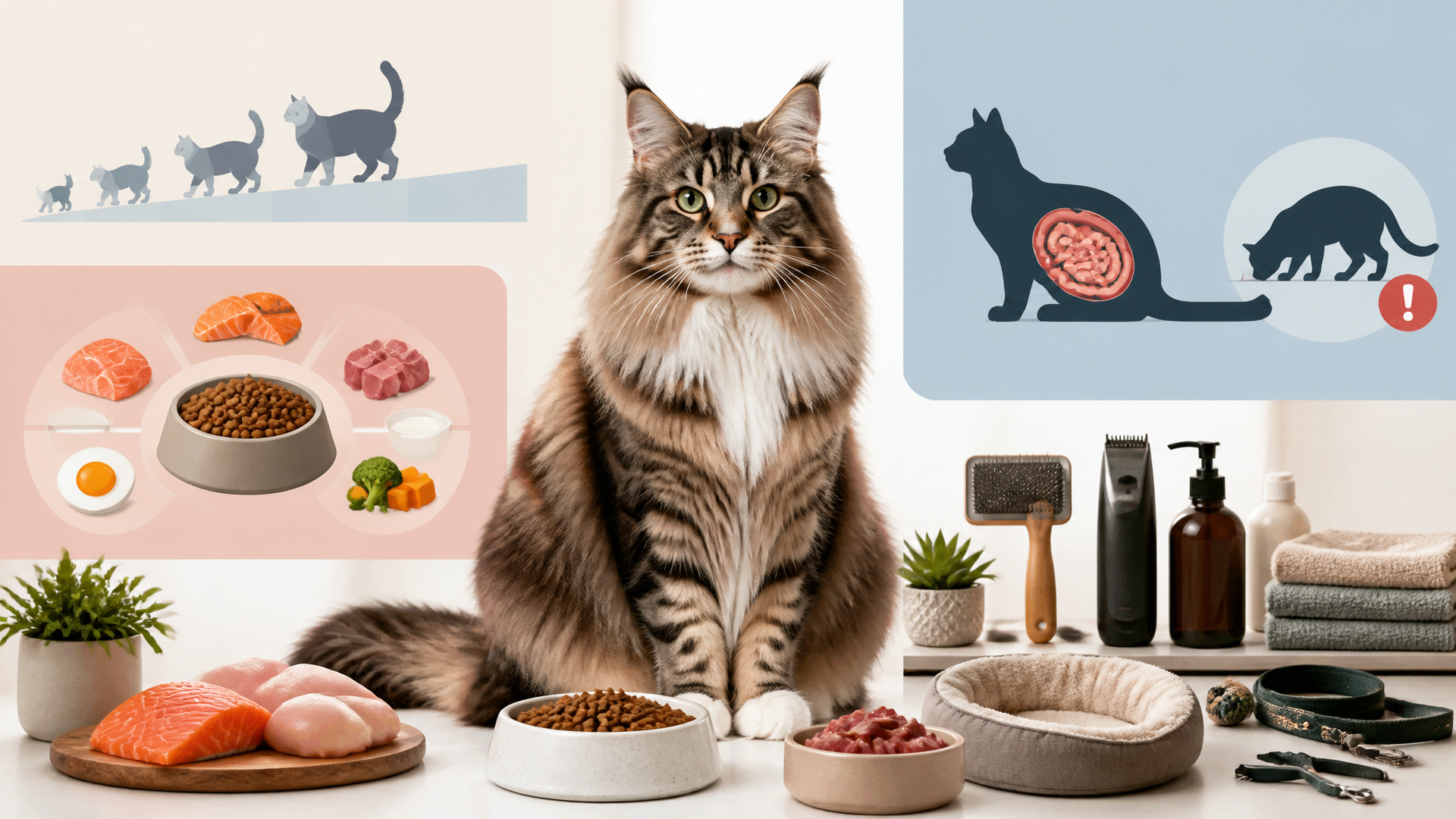
Look for a food with at least 40% protein on a dry-matter basis. Chicken, turkey, salmon, or rabbit are solid primary proteins. Avoid foods where the first ingredient is corn, wheat, or unnamed meat meal.
Omega-3 and Omega-6 for That Coat
The water-resistant double coat needs fatty acids to stay glossy and reduce shedding. Named fish sources like salmon oil, menhaden fish meal, or flaxseed in the ingredient list are your friend. A daily omega-3 supplement helps during seasonal sheds — just add a few drops to wet food.
Joint Support for a Heavy Build
These cats carry 12–18 pounds of solid muscle. Glucosamine and chondroitin are smart additions, especially after age 2. Many large-breed adult foods already include them — check the guaranteed analysis.
Hydration Matters, Too
Norwegian Forest Cats often don’t drink enough water, especially on dry-food-only diets. Include a wet food meal or offer a cat water fountain to encourage regular drinking. Aim for at least half of their daily moisture intake from wet food; this supports kidney health and keeps the coat in top condition.
Controlled Calories, Not Free-Feeding
Free-feeding works against this breed. Their slow metabolism makes weight gain easy. Measured meals on a schedule (morning and evening) are better than a full bowl left out. A digital kitchen scale (grams mode) gives the most accurate portions, especially for dry food.
Feeding Routine That Works
- Kittens (under 1 year): 3 meals per day — morning, early afternoon, and evening.
- Adults (1–7 years): 2 meals per day — morning and evening. If your cat wakes you up early, move the first meal 30 minutes later gradually.
- Seniors (7+ years): 2–3 smaller meals per day. Older cats often lose appetite per meal but still need the same total calories.
Stick to the same feeding spots away from litter boxes and loud appliances. Same bowl, same spot, same time.
Product Types That Actually Help
We recommend these product types based on breed-specific needs. If you purchase through links, we may earn a small commission at no extra cost to you.
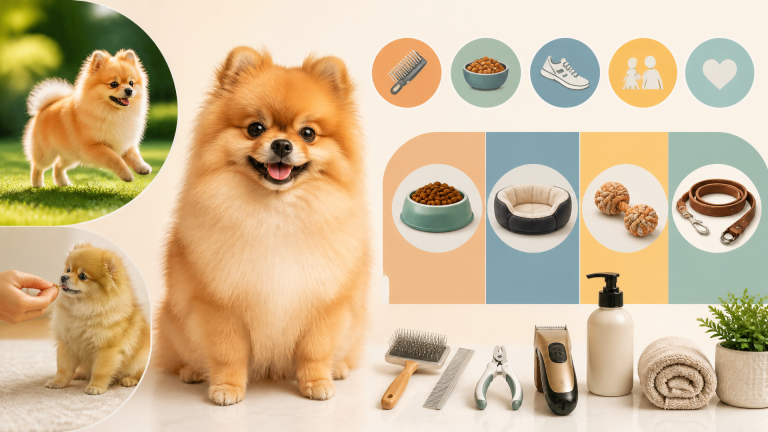
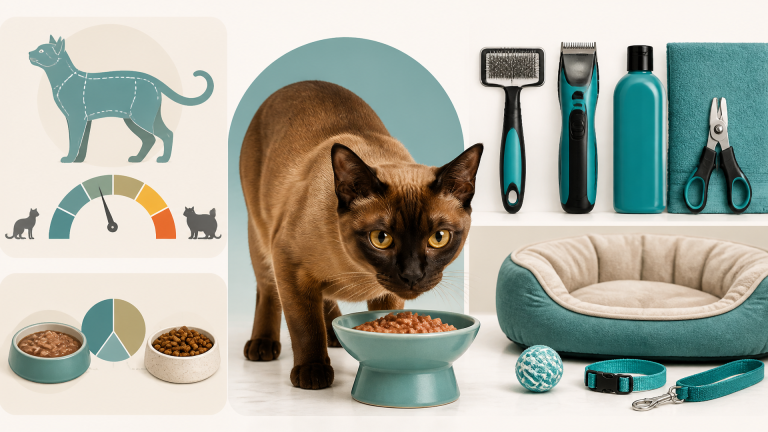
- Slicker brush — Use weekly to keep the thick double coat from matting and to reduce hairballs during heavy sheds. The fine wire bristles reach the dense undercoat without scratching the skin.
- Elevated feeding station — Lifts the bowl 4–6 inches off the floor so your tall Norwegian Forest Cat doesn’t have to hunch over to eat. This reduces neck strain and can improve digestion.
- Slow-feed bowl or puzzle feeder — Great for cats who gulp wet food too fast. Slowing them down prevents vomiting and encourages natural foraging instincts.
- Omega-3 liquid supplement — A salmon oil or krill oil supplement is easy to add to wet food. It helps maintain the glossy, water-resistant coat and supports joint health.
- Digital kitchen scale — Portion dry food in grams rather than by volume. A tiny scoop size difference can add 20–30 extra calories per meal — a scale removes the guesswork.
Daily & Weekly Feeding Checklist
Use this quick pass to confirm your cat’s diet is on track.
- [ ] Ribs feel like the back of your hand with a light fat layer — not sharp, not padded.
- [ ] Waist visible from above when your cat stands.
- [ ] Coat lies flat and feels soft, not greasy or brittle.
- [ ] Bowel movements are firm, dark, and formed — not loose or dry.
- [ ] Water bowl is cleaned and refilled daily (not just topped off).
- [ ] Portions match the current life stage on the chart above.
- [ ] Treats make up less than 10% of daily calories.
- [ ] Dry food stored in an airtight container; wet food refrigerated after opening.
- [ ] Vet check every 6–12 months with weight and body condition score.
When to Adjust the Diet
- Winter vs summer: Activity levels shift with the season. If your cat naps more in winter heat, reduce portions by 10%. If they’re active in cooler months, keep maintenance level.
- After spay/neuter: Metabolism drops. Reduce portions by about 20% and monitor body condition for 6 weeks. Recheck with the rib method after two weeks to confirm the reduction is enough.
- Picky eating phase: These cats can go through food boredom. Rotate 2–3 protein sources within the same brand line to keep meals interesting without upsetting digestion.
When to Call the Vet
- Weight loss of more than 5% over 4 weeks without a diet change
- Weight gain of more than 10% over 6 weeks despite measured portions
- Sudden refusal to eat for 24+ hours
- Chronic soft stool or vomiting after eating
- Noticeable increase in drinking and urinating (possible diabetes or kidney concern)
Save This Guide
Norwegian Forest Cats need a high-protein, moderate-fat diet with measured portions and omega-3 support for their coat and joints. Check body condition by touch (since their coat hides changes), feed on a schedule, and adjust for life stage and season. Pin this chart and checklist to reference at each vet visit or seasonal change.