Turkish Angora Mix: Guide: What Every Owner Should Know
Thinking about bringing home a Turkish Angora mix? Here’s the short answer: You’re getting a strikingly beautiful, people-focused cat that’s far more trainable than most people expect. Unlike the “aloof diva” stereotype that follows their elegant look, Turkish Angora mixes are often playful, leash-trainable, and even enjoy fetch and water. But their coat, health, and temperament will vary depending on what they’re crossed with — and that’s exactly what this guide helps you navigate.

What Defines This Mix
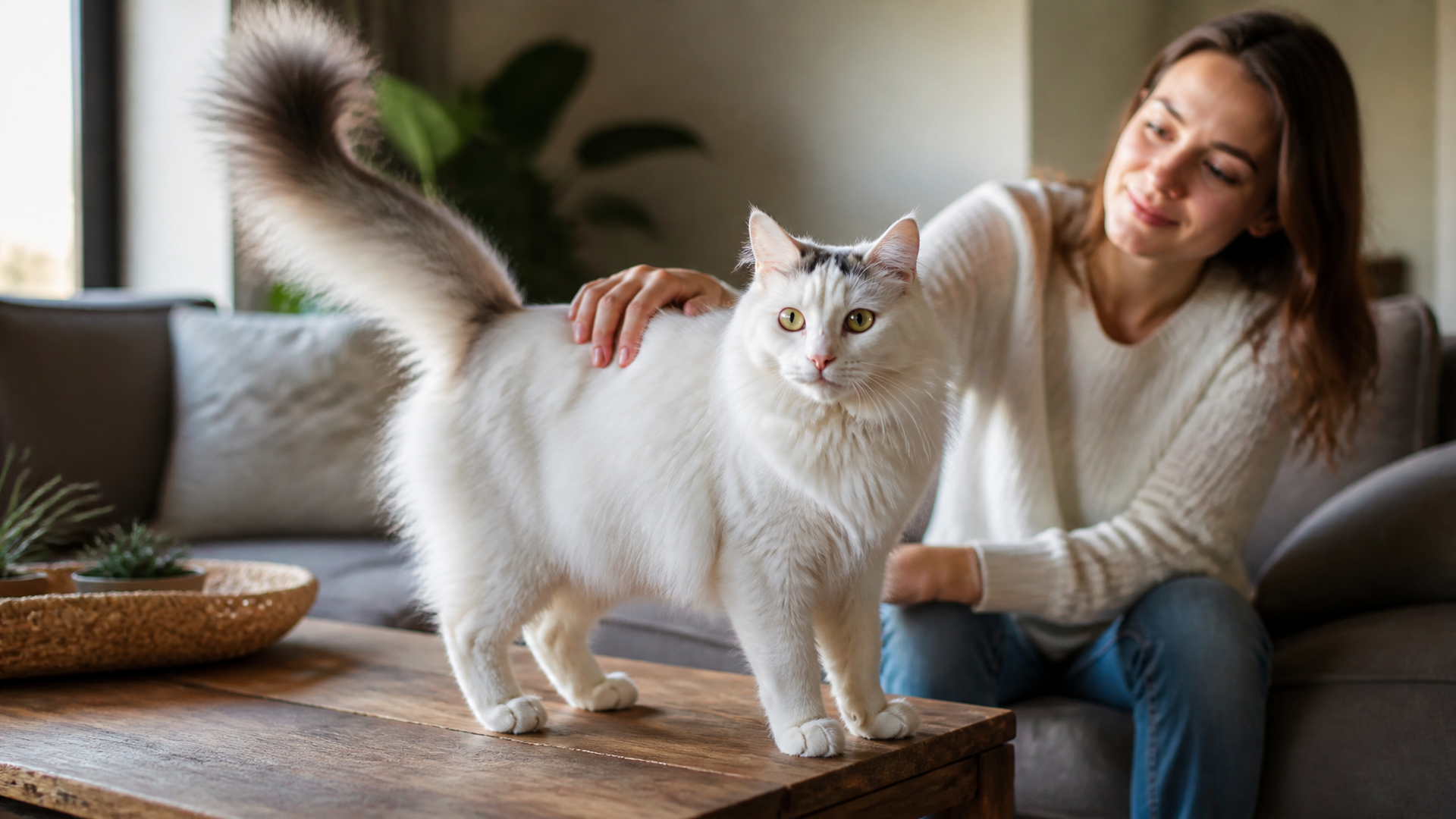
A Turkish Angora mix is any cat with Turkish Angora ancestry crossed with another breed or domestic lineage. These cats aren’t “just a mutt” — they often carry the Angora’s signature silky coat, wedge-shaped head, and large almond eyes, but with fresh twists from the other parent.
Common mixes you’ll see:
- Turkish Angora x Siamese — Talkative, social, with striking blue eyes and a lighter coat
- Turkish Angora x Maine Coon — Larger frame, semi-long coat, and a more laid-back personality
- Turkish Angora x Domestic Shorthair — Unpredictable coat length and color, often with the Angora’s friendly temperament
The biggest misconception: People assume Turkish Angoras are always white. Purebred Angoras were originally white, but modern Angoras and their mixes come in countless colors — black, blue, red, cream, tortoiseshell, tabby, and more. A “Turkish Angora mix” isn’t automatically white.
Temperament: Why This Mix Surprises Most Owners
Here’s the counter-intuitive truth most generic articles skip: Turkish Angora mixes are among the most trainable cats you’ll own. Their intelligence and people-orientation mean they can learn fetch, walk on a harness, open cabinet doors, and even play in water. They’re not standoffish — they’ll follow you from room to room and “help” with whatever you’re doing.
What that means for you:
- They need interactive play daily (15–20 minutes of fetch or wand toy sessions)
- They respond well to clicker training — yes, you can teach them tricks
- Puzzle feeders are excellent for mental stimulation
- They bond deeply with their person and may struggle with long hours alone
Watch for this: If your mix is part Persian or Ragdoll, the temperament may lean more laid-back. If part Siamese or Bengal, expect higher vocalization and activity. Knowing the other parent breed matters.
Practical implication: If you work long hours or prefer a cat that entertains itself, a Turkish Angora mix may not be the best fit. Plan for a companion cat or interactive toys that rotate daily. Otherwise, expect a bored cat to find trouble (like knocking things off shelves or learning to open drawers).
Grooming by Coat Type
Turkish Angora mixes range from short to long coat. How you groom depends entirely on what your cat inherited.
Short Coat (≤ 2 inches)
- Brush once a week with a rubber curry brush or soft bristle brush
- Use a de-shedding tool during spring and fall shedding seasons
Medium to Long Coat (2–5 inches)
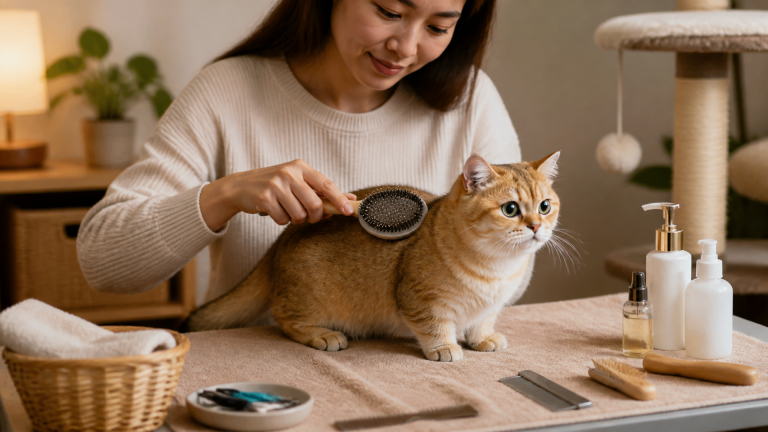
- Brush 3–4 times per week with a slicker brush and a metal comb
- Focus on the armpits, belly, and ruff where mats form first
- Use a detangling spray to reduce breakage
Expert Tip #1 — The armpit check: Lift each front leg and check for matting weekly. Mats in this area rub and cause skin irritation. Common mistake: Only brushing the top layer. You must part the coat and brush down to the skin.
Expert Tip #2 — Match the brush to the coat: A pin brush works for silky coats, a slicker brush for denser coats, and a greyhound comb for checking mats. Using the wrong tool can pull and damage the coat.
Expert Tip #3 — Nail trims every 2–3 weeks: Turkish Angora mixes often dislike nail trims more than brushing. Start early, use high-value treats, and keep sessions short.
Product recommendation: For medium-to-long coats, a quality slicker brush (like the Hertzko self-cleaning slicker) and a stainless steel greyhound comb are non-negotiable. For short coats, a rubber curry brush works beautifully.
We may earn a commission if you purchase through these links, at no extra cost to you.
Verification step for coat type: To know exactly how much brushing your mix needs, try the “hip check”: Run a fine-tooth comb along the back hip and down the sides. If you feel any resistance or see small clumps of shed undercoat, you’re dealing with a medium-to-long coat that needs 3–4 brushing sessions per week. If the comb glides through with zero clumps, weekly brushing is enough.
Health Watch: What Your Mix Might Inherit
Turkish Angora mixes are generally healthy, but they can inherit conditions from either parent breed. You can’t predict everything, but you can watch for these.
Key health concerns:
| Condition | Warning Signs | Action |
|---|---|---|
| Hypertrophic cardiomyopathy (HCM) | Lethargy, rapid breathing, hiding | Annual vet check + echocardiogram if suspected |
| Deafness (linked to white coat + blue eyes) | Not responding to sounds, sleeping very deeply | Observe response to noise; ear test if concerned |
| Hip dysplasia (especially with Maine Coon mixes) | Hesitancy to jump, bunny-hopping gait | Vet exam; weight management |
| Dental disease | Bad breath, drooling, pawing at mouth | Annual dental cleanings |
Warning signs that need a vet visit — don’t wait:
- Sudden lethargy or hiding for more than 24 hours
- Labored breathing or open-mouth breathing
- Not eating for 12+ hours
- Limping or refusing to jump
- Unexplained weight loss
Regular care routine:
- Annual vet checkup with bloodwork
- Monthly flea/tick/heartworm prevention (even indoor cats)
- Daily fresh water and high-quality wet food to support urinary health
Is This Mix Right for You?
Use this pass/fail check to see if a Turkish Angora mix fits your lifestyle.
- [ ] Can you provide daily interactive play (15+ minutes)? Fetch, wand toys, or puzzle feeders count.
- [ ] Are you prepared for a cat that wants to be near you constantly? This is not an independent, “sleep all day” cat.
- [ ] Do you have time for weekly brushing (or 3–4 times weekly for longer coats)? Mats and shedding are real.
- [ ] Is your home safe for an active, curious cat? They open cabinets, climb curtains, and explore everything.
- [ ] Can you commit to annual vet visits and watch for HCM and dental issues? Early detection matters.
If you checked all five, a Turkish Angora mix is a strong match. If you missed two or more, consider a lower-energy breed or an adult cat with a known temperament.
Crossbreed Comparison at a Glance
| Trait | Turkish Angora (Purebred) | Turkish Angora Mix | Common Mixed-Breed Cat |
|---|---|---|---|
| Coat type | Silky, medium-long, typically white | Variable (short to long, any color) | Variable, often short-haired |
| Grooming need | Medium (2–3x/week) | Low to high depending on coat | Low (1x/week) |
| Temperament | Affectionate, intelligent, energetic | Varies by mix — often outgoing | Generally unpredictable |
| Trainability | High — learns tricks, fetch | High to moderate | Moderate |
| Health concerns | HCM, deafness in white cats | HCM, deafness, other breed-specific risks | Generally robust |
| Price | Purebred from a breeder is expensive | Adoption fee ($50–$200) | Adoption fee |
| Best for | Owners who want a specific look and lineage | Owners who want Angora traits with more predictability and lower cost | First-time owners or low-maintenance lifestyle |
Key takeaway: A Turkish Angora mix gives you the elegance and intelligence without the purebred price tag or limited gene pool — but you sacrifice predictability in coat and temperament. That’s the tradeoff.
Save This Guide
Bottom line: Turkish Angora mixes are trainable, people-loving cats that need active owners who can keep up with their intelligence and grooming needs. They’re not aloof — they’re engaged, curious, and deeply bonded. If you can commit to daily play, regular brushing, and annual vet checks, you’ll have a stunning, loyal companion for 12–18 years.
Affiliate disclosure: Some product links in this article are affiliate links. We may earn a small commission if you purchase through them, at no extra cost to you.