How to Trim a Golden Tetrievers Ass
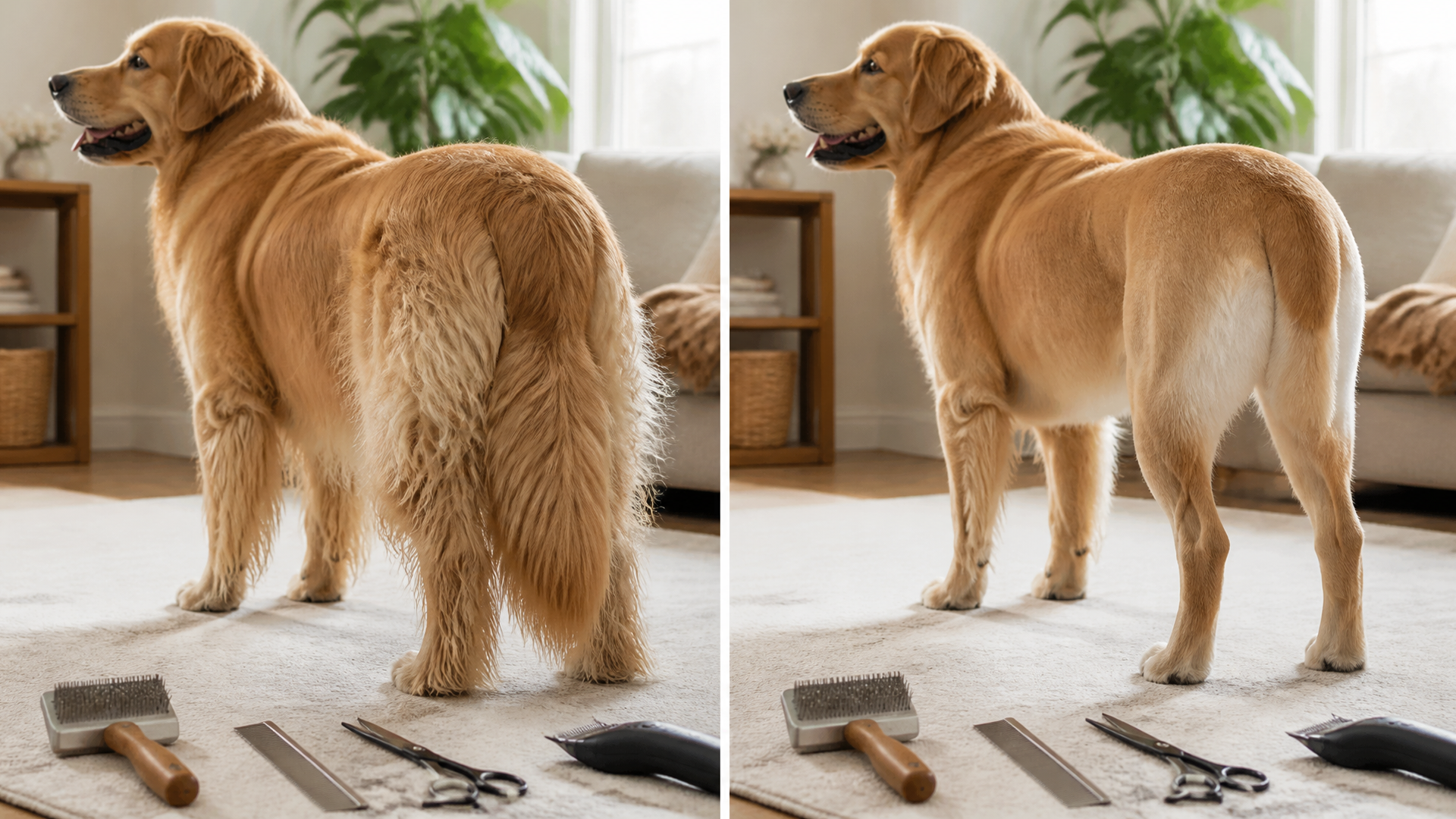
Worried about matted fur, dingleberries, or an unhappy pup when it’s time to clean up back there? Trimming a Golden Tetriever’s rear doesn’t have to be stressful. Here’s the quick answer: you’ll need a slicker brush, curved thinning shears, and a steady hand. Focus on the area around the anus and under the tail — never use clippers directly on the skin. Read on for the exact steps, plus when to stop and call a pro.

Quick answer
Trim the hair around your Golden Tetriever’s anus and the underside of the tail using curved thinning shears (safety scissors with rounded tips). Do not use electric clippers unless you have a snap-on comb that leaves at least 1/2 inch of hair — the skin there is loose and folds easily, making nicks common. If you see matting close to the skin, skip the trim and take the dog to a groomer.
BLOCKQUOTE_0
Tools and prerequisites
Having the right gear makes the job faster and safer. Gather these before you start:
- Slicker brush – to remove loose fur and break up minor tangles (try the Hertzko Self-Cleaning Slicker Brush).
- Curved thinning shears – the curved blade helps you follow the natural shape of the rear. Look for 6–7 inch shears with rounded tips (e.g., Sharfus curved shears).
- Grooming comb – to lift mats away from the skin before cutting.
- Treats – high-value rewards for staying still.
- Cornstarch or styptic powder – stops bleeding if you nick the skin.
When to skip it: If your Golden Tetriever has a rash, hot spot, or deep matting that’s flush with the skin, do not attempt trimming. These conditions require a vet or professional groomer.
Step-by-step rear trim plan
Follow these seven steps for a clean, safe trim. Work in good light and have a helper for the first few tries.
Step 1: Brush first
Stand your dog on a non-slip surface. Brush the entire rear area with a slicker brush, working in small sections. Pay extra attention to the “pants” (the long hair on the back of the thighs and under the tail). Brushing removes dirt and pulls out loose undercoat so you can see what you’re cutting.
Checkpoint: After brushing, you should be able to part the hair easily. If there are solid mats that won’t separate, stop brushing and move to Step 3.
Step 2: Find the clean-up zone
Part the hair and locate the anus. The area you need to trim is a 1–2 inch ring around it, plus the underside of the tail where poop can get trapped. Do not cut into the tail’s main plume or the fur on the inner thighs unless there are obvious mats.
Step 3: Lift mats with a comb
Use a grooming comb to gently lift each mat away from the skin. Insert the comb between the mat and the skin, then cut above the comb with your thinning shears. This gap protects the skin. Never cut directly into a mat without lifting it.
Likely cause of problems: Golden Tetrievers have a dense double coat, and the longer outer hairs often mat against the shorter undercoat. If your comb won’t slide under the mat, that mat is too tight for home trimming.
Step 4: Snip parallel to the body
Hold the shears so the blades are parallel to the skin, not pointing at it. Use short, tiny snips. Work from the outside of the mat toward the center. The goal is to remove bulk, not shave down to the skin.
Step 5: Trim the tail’s sanitary area
Lift the tail gently. Trim the hair on the underside of the tail (the “feathers”) so it ends about 1 inch from the tail base. Keep the scissors pointed away from the tail skin. Golden Tetrievers tend to have thick, wavy tail hair — if you see a solid mat, cut it into smaller pieces first.
Step 6: Check for dingleberries
After trimming, use a damp paper towel to gently clean any stuck debris. If you find dried poop clinging to long hairs, snip those individual hairs with the shears (lifting the hair away first). Do NOT pull or rip the hair.
Step 7: Reward, inspect, and verify
Praise your dog, give a treat, then run your fingers over the trimmed area. You should feel even hair about 1/2 to 1 inch long over the rear circle. If you feel rough patches or sharp edges, snip them lightly. The skin should be pink and dry — if you see redness, irritation, or a cut, clean with soapy water and apply styptic powder.
Success check: After trimming, your dog should be able to sit and walk normally without dragging their rear on the floor. If they scoot more than once within the next hour, re-check for hidden dingleberries or irritated skin.
Troubleshooting
What if I accidentally cut the skin?
Apply direct pressure with a clean cloth for 30 seconds. If bleeding stops, dust the area with styptic powder. If the bleeding doesn’t stop within 2 minutes, call your vet.
What if my Golden Tetriever won’t stay still?
Try having a helper hold the dog with one arm around the chest and the other under the belly. If the dog still squirms, snaps, or shows teeth, stop immediately. Consider a professional groomer for this session and work on desensitization at home by touching the rear area during calm moments.
What if I see redness after trimming?
Clean the area with mild soap and warm water, then pat dry. Apply a thin layer of pet-safe antibiotic ointment. If the redness spreads, has a foul odor, or your dog licks excessively, schedule a vet appointment.
When to absolutely stop and call a groomer
- Tight mats that won’t lift with a comb
- Skin that is red, swollen, or has an odor
- Dog shows aggression when you approach the area
- You accidentally nicked the skin and bleeding won’t stop
- You find a hot spot or rash during brushing
Save this guide for next time
| Do ✅ | Don’t ❌ |
|---|---|
| Brush before you cut | Use clippers without a guard comb |
| Lift mats with a comb first | Cut straight into a mat |
| Use curved thinning shears | Point scissors toward the skin |
| Trim only 1/2–1 inch above skin | Shave the area bald |
| Reward generously | Force it if your dog is stressed |
Quick checklist for a successful trim:
- [ ] Tools ready (slicker brush, comb, curved shears, treats, styptic powder)
- [ ] Dog brushed and calm
- [ ] Good lighting + helper if needed
- [ ] Mats lifted above the skin
- [ ] Scissors parallel to body
- [ ] No redness, cuts, or irritation after trim
- [ ] Sanitary area clean and dry
- [ ] Dog walks and sits normally after trimming
Related questions
How often should I trim my Golden Tetriever’s rear?
Every 4–6 weeks, or as soon as you see dingleberries or matting forming. More frequent trimming prevents painful tangles and keeps the area cleaner.
Can I use human scissors instead of pet shears?
No. Human scissors have sharp tips and can easily poke or cut the skin. Use curved thinning shears designed for pet grooming — they reduce the risk of accidental nicks.
What if my Golden Tetriever has a shorter coat?
Golden Tetrievers typically have medium-length, wavy coats. If your individual dog has a shorter terrier-like coat, you may only need to trim every 8–12 weeks, and a simple comb-out might be enough without scissors.
Is it safe to use clippers on the rear?
Only with a snap-on comb leaving at least 1/2 inch of hair, and only if the dog is completely still. Clippers without a guard can quickly cut the loose skin around the anus. For most owners, thinning shears are safer.