Bichon Frisé Female: Guide: What Every Owner Should Know
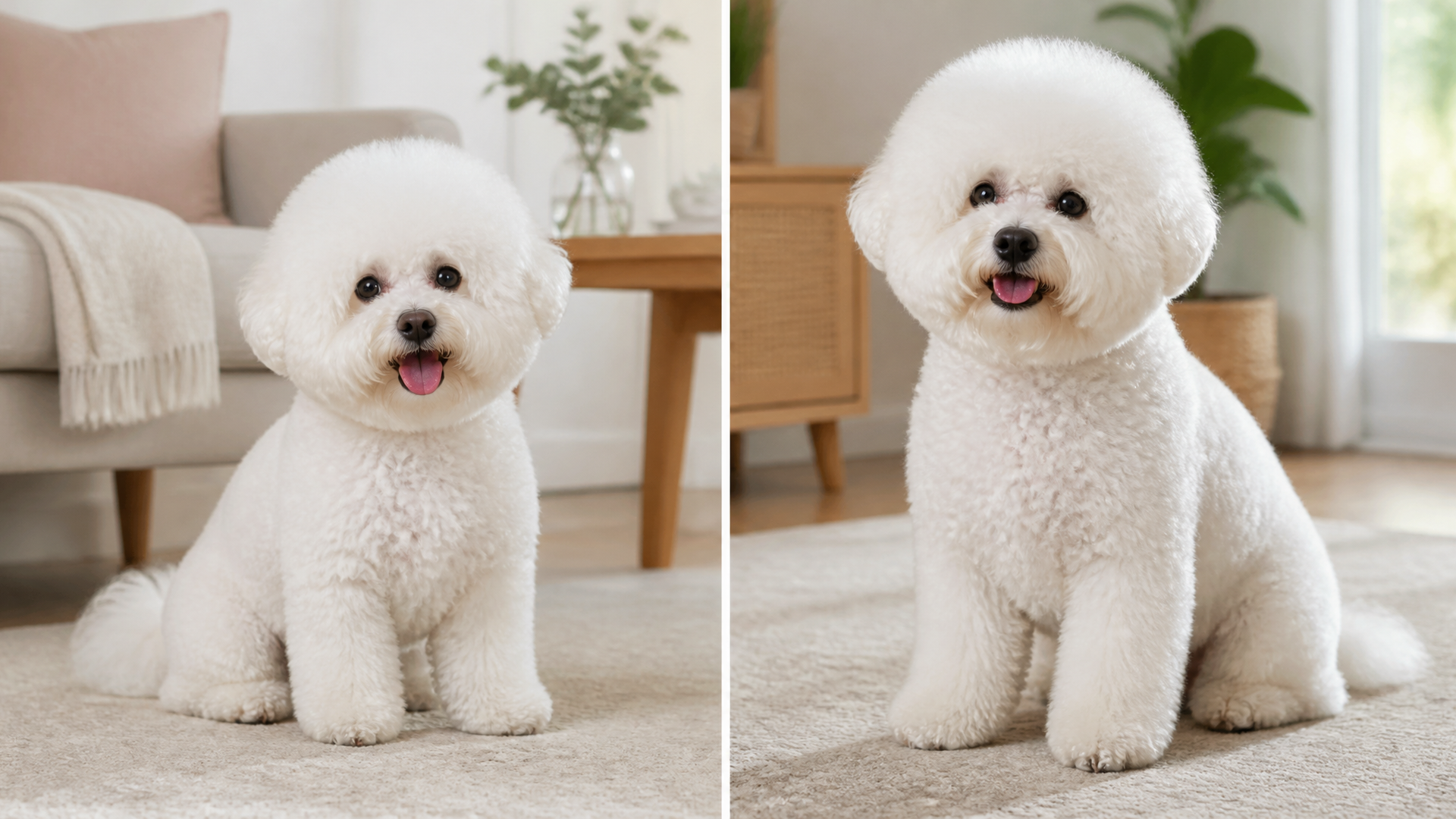
A female Bichon Frisé is a smaller, slightly more independent version of this fluffy breed. She typically weighs 7–12 pounds compared to a male’s 10–18 pounds, and her heat cycles (every 5–8 months if left intact) are the single biggest practical difference from owning a male. Spaying around 6–9 months virtually eliminates mood swings, cuts mammary tumor risk to near zero, and removes pyometra danger entirely. Her coat needs daily brushing regardless of gender — that part is non-negotiable.

Temperament and Female-Specific Traits
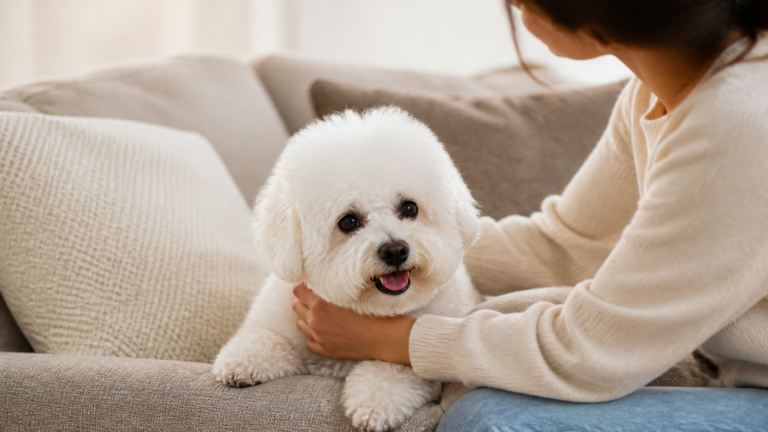
Female Bichons are playful, affectionate, and generally eager to please. They bond deeply with their family but tend to be a touch more independent than males — not aloof, just slightly less clingy. Many owners report females are easier to housebreak and less prone to marking territory.
Most people assume female Bichons are calmer than males, but they can be every bit as high-energy. The real difference shows up during heat cycles (if left unspayed), when she may become moody, restless, or even aggressive toward other dogs. Spaying eliminates those swings.
Expert Tips for Raising a Female Bichon
Tip 1 – Socialize early, but gently. Start with calm, vaccinated adult dogs. Let her approach at her own pace, and avoid forcing her into overwhelming group play. A bad early experience can create lasting wariness. Common mistake: bringing her to a crowded dog park before she’s confident — that often backfires and creates a fearful adult dog.
Tip 2 – Watch for heat signs if intact. Swollen vulva, increased licking, and clinginess occur every 5–8 months. Keep her leashed and away from unneutered males at all times. Never let her roam unsupervised — even a fenced yard isn’t secure enough during heat. Common mistake: assuming she won’t try to escape — intact females are surprisingly determined and can scale or dig under fences.
Tip 3 – Use only positive reinforcement. Female Bichons can be sensitive to harsh corrections, which may trigger fear-based behaviors like hiding or submissive urination. Avoid physical punishment or yelling; treat-based training works far better. Common mistake: using a firm tone that sounds like yelling — keep your voice calm and upbeat even when she’s testing boundaries.
Size Comparison: Female vs Male Bichon
| Trait | Female Bichon | Male Bichon |
|---|---|---|
| Weight | 7–12 lb | 10–18 lb |
| Height | 9–11 in | 9.5–11.5 in |
| Temperament | Affectionate, slightly independent | Clingy, more outgoing |
| Heat cycles | Yes (if unspayed) | No |
| Coat care | Identical | Identical |
Grooming: Daily and Weekly Routine
Bichon coats mat quickly. Her white fur shows stains more visibly than a male’s — especially urine or tear marks. You’ll need a slicker brush, pin brush, and detangling spray as your go-to tools. For tear stains, a damp cloth daily plus a vet-recommended stain remover works well.
At-Home Grooming Operator Flow
Preparation: Gather your slicker brush, pin brush, detangling spray, blunt-tip scissors, nail clippers, and dog-safe whitening shampoo.
Early checkpoint: Run your fingers through her coat, paying special attention behind ears, under legs, and around the collar. These are hot spots for mats. If you find tight mats, do not pull through with a brush — use scissors carefully or see a professional groomer.
Ordered steps:
1. Lightly mist the entire coat with detangling spray.
2. Brush through thoroughly with a slicker brush, working in small sections from skin out.
3. Smooth and fluff with a pin brush for that powder-puff finish.
4. Trim hair around eyes and the sanitary area (or ask a groomer for a demo first).
5. Clip nails every 2–3 weeks — if you hear clicking on floors, it’s time.
6. Bathe every 3–4 weeks with a whitening shampoo, then blow-dry on low while brushing to prevent tangles.
Verification step: After brushing, run your hand flat against the coat from skin to tip. If you feel any bumps or resistance, you missed a mat — re-brush that spot thoroughly with the slicker brush. The coat should feel completely smooth with no snags.
Likely causes of frustration: Mats form quickly if you skip even one day of brushing. Tear stains (reddish marks under eyes) are common; wipe daily with a damp cloth or use a vet-recommended stain remover.
Friction points: Many Bichons dislike nail trimming. Desensitize by handling her paws daily from puppyhood. If she fights, switch to a nail grinder instead of clippers — the vibration is less startling than the snip.
Stop/success signal: Her coat is completely tangle-free, fluffy, and her skin shows no redness or irritation.
Health and Lifespan
Female Bichons typically live 12–15 years. Common health issues include allergies, patellar luxation (slipping kneecap), bladder stones, and dental disease. Unspayed females face a significantly higher risk of pyometra (life-threatening uterine infection) and mammary tumors — spaying before the first heat virtually eliminates those threats.
When to call the vet:
- Sudden lethargy, vomiting, or refusal to eat for more than 12 hours
- Blood in urine or straining to pee (possible UTI or bladder stones)
- Excessive licking of the genital area during non-heat periods
- Coughing, sneezing, or eye discharge lasting more than a day
Feeding and Nutrition
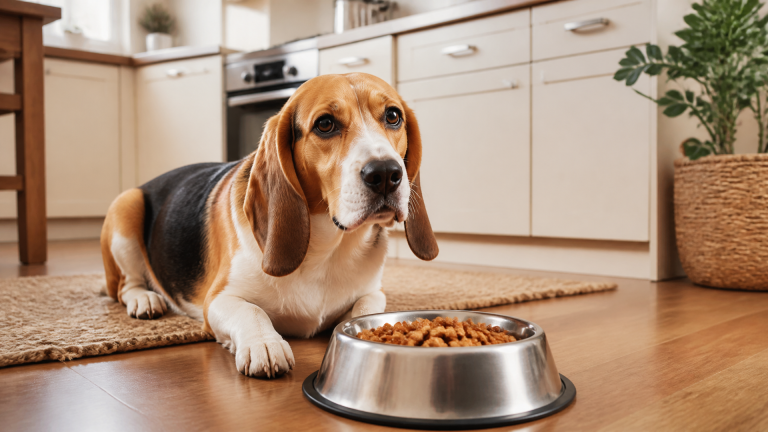
Feed a high-quality small-breed dog food appropriate for her life stage. Bichons are prone to obesity, so measure meals precisely and avoid free-feeding.
| Age | Daily Food Amount (cups) | Number of Meals |
|---|---|---|
| 8–12 weeks | ½ – ¾ | 3–4 |
| 3–6 months | ¾ – 1 | 3 |
| 6–12 months | ½ – ¾ | 2 |
| Adult (1+ year) | ½ – ¾ | 2 |
Use a slow-feeder bowl to prevent gulping and reduce bloat risk. Avoid free-feeding — it encourages overeating. Common mistake: leaving food out all day and then wondering why she gains weight.
Rotate protein sources (chicken, lamb, fish) to keep meals interesting and help prevent food allergies. Avoid switching abruptly; transition over 5–7 days. Common mistake: assuming she likes only one flavor — Bichons often get bored with the same food after a few months.
Training and Socialization
Female Bichons are smart and trainable, but they can be a bit stubborn compared to males. Keep sessions short — 5 minutes, twice a day. Crate training is highly effective for housebreaking.
Potty Training Operator Flow
Early checkpoint: Watch for circling, sniffing, or whining — these are her “I need to go” signals. Take her out immediately when you see them. If she doesn’t go within 5 minutes, bring her inside and try again in 15 minutes. Never punish accidents.
Ordered steps:
1. Choose a designated potty spot outside and always take her there first.
2. Use a consistent cue word (“go potty”) each time.
3. Reward with a small treat and praise the instant she finishes.
4. Gradually increase time between trips as she gains control (every 30–60 minutes at first, then slowly extend).
Likely cause of accidents: She may not recognize indoor surfaces as off-limits if you use pee pads — avoid them for faster housebreaking.
Verification step: After one week of consistent outdoor trips, test your progress by waiting an extra 10 minutes beyond her usual schedule. If she holds it and signals, your schedule is on track. If she has an accident, reduce the interval.
Success signal: She consistently goes to the door and eliminates within 2 minutes of being outside.
Common Misconceptions About Female Bichons
“Females are easier to train than males.” Not necessarily. Both sexes are intelligent; training success depends more on consistency and motivation (treats) than gender. A female’s slightly independent streak can actually make her more stubborn in some situations.
“Females are less likely to mark indoors.” True, but spayed females rarely mark anyway. Unspayed females may spray during heat — so spaying solves that issue regardless of gender.
“A female Bichon won’t get along with other dogs.” With proper socialization, they can live happily with other dogs and cats. Preferences vary by individual, not gender. The key is slow, positive introductions and never forcing interaction.
FAQ
Q: At what age should I spay my female Bichon?
A: Most vets recommend spaying at 6–9 months, before the first heat. This significantly lowers her risk of mammary tumors and eliminates pyometra.
Q: Do female Bichons shed?
A: They shed very little — their coat grows continuously and catches loose hair. That’s why they are considered hypoallergenic, but they still need daily brushing to prevent mats.
Q: How much exercise does a female Bichon need?
A: About 20–30 minutes of moderate activity daily — a walk, fetch, or indoor play. They adapt well to apartment living but need mental stimulation (puzzle toys, training games).
Q: Are female Bichons more prone to tear stains?
A: Yes, because their white coat shows them more visibly. Tear stains are caused by blocked tear ducts or allergies. Regular wiping and a vet check can help manage them.
Save This Guide
A female Bichon Frisé is a loving, hypoallergenic companion that fits well into most homes — especially if you’re ready for daily grooming and consistent training. Her female-specific needs (spaying, heat cycle awareness, potential mood changes) are manageable with knowledge and planning. Key takeaway: Spay early, brush daily, socialize gently. For grooming tools, a high-quality slicker brush and detangling spray help keep her coat beautiful.
This article contains affiliate links. We may earn a commission if you purchase products we recommend, at no extra cost to you.