How do You Preserve Bichon Frise Groomer Soft Fur
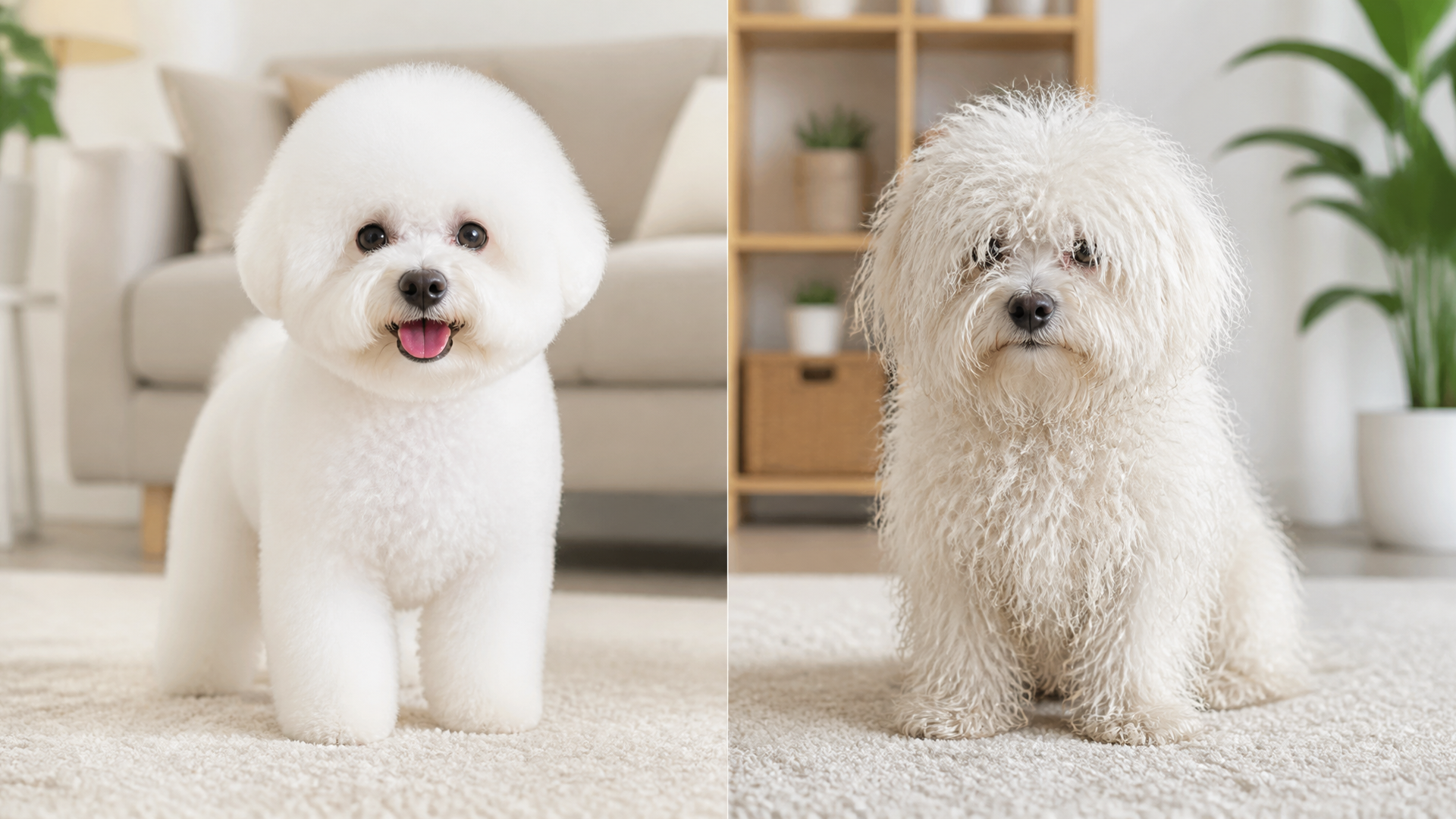
Your Bichon Frise comes home from the groomer feeling like a cloud — white, fluffy, and impossibly soft. Then day by day, that coat gets rougher, greasier, or starts to tangle. Here’s the direct answer: preserve that softness by brushing daily with a slicker brush and metal comb, bathing every 3–4 weeks with a moisturizing shampoo and conditioner, and drying the undercoat completely before your dog goes to bed. Each step matters, and skipping even one lets the cotton-like coat go dull within a week.

The Only Tools That Actually Work
Bichon fur is fine, curly, and traps dirt fast. Generic brushes won’t cut it. You need these specific tools:
- Slicker brush with fine, bent wire pins (Chris Christensen Big G is the gold standard)
- Greyhound-style metal comb with both wide and fine teeth
- Detangling spray with aloe or silk proteins (Isle of Dogs Silky Coating Mist works well)
- Microfiber towels — never rub with regular bath towels (causes frizz)
Disclosure: As an Amazon Associate, we earn from qualifying purchases. These are products we’ve used with our own Bichons.
Start With a Quick Coat Check
Before starting a new routine, run this quick check. One common failure mode is letting the undercoat stay damp after a bath or letting small tangles form at the skin — both turn into mats that ruin softness within 48 hours. Here’s how to spot them early:
- Tangle test: Run a metal comb behind the ears and under the front legs. If it catches or snags, a mat is forming at the skin.
- Feel test: Touch the coat at the base of the ears and under the belly. Sticky or damp means dirt buildup or incomplete drying from the last bath.
- Look test: Small pills or clumps on the surface mean friction damage from collar rubbing or rough bedding.
Now here’s where your next action changes based on what you find:
If the comb catches but you see only surface tangles (the fur separates easily), brush those spots with your slicker brush in small sections, then re-check with the metal comb. If it glides through, you’re fine — just add those areas to your daily focus.
But if the comb catches and the fur feels tight against the skin — that’s a skin-tight mat. Stop brushing immediately. Do not try to cut it out yourself. Bichon skin is thin and elastic, easily nicked. This is your stop threshold: a skin-tight mat means you need a professional groomer within 48 hours. Mats at the skin restrict airflow, trap moisture, and can cause bruising or skin infections.
The Daily Routine (2–3 Minutes)
This is what keeps that groomer-soft feel alive. Do it every single day.
1. Brush with a slicker brush in small sections, lifting the coat outward from the skin. Work in layers — running the brush over the top only smooths the surface while tangles remain underneath against the skin. Focus on:
- Behind ears
- Under front legs (armpits)
- Belly and groin
- Base of the tail
2. Follow with the metal comb to catch any tangles the slicker missed. If the comb glides through without snagging, you’re good.
3. Optional: If the coat feels dry, mist lightly with detangling spray before brushing. This reduces breakage and adds slip.
Weekly Deep Session (10–15 Minutes)
Once a week, do a full line-brushing. This is the single most effective technique for Bichon fur.
1. Part the fur in a straight line down the back.
2. Starting at the skin, brush each inch-wide section outward — don’t just smooth the top layer. The undercoat is where mats begin, and line-brushing is the only way to reach it.
3. Move the part one inch at a time until the whole body is done.
4. Finish by brushing in small circles with the slicker to fluff the coat.
5. Spray with detangling mist if the coat feels dry.
Why this matters: Line-brushing reaches the undercoat where mats start. Skipping it is the #1 reason Bichon fur loses softness between groomer visits.
The Bathing and Drying Sequence (Every 3–4 Weeks)
Bathing too often dries the coat. Bathing wrong leaves residue that makes fur stiff. Here’s the exact sequence.
Step 1: Pre-bath brushing
Brush out every tangle before getting the coat wet. Water tightens mats into impossible knots that can only be cut out.
Step 2: Shampoo and condition
Use a pH-balanced, moisturizing dog shampoo (Chris Christensen White on White or an oatmeal shampoo for sensitive skin). Apply conditioner designed for curly coats and let it sit for 2–3 minutes. Rinse thoroughly — leftover conditioner makes fur greasy and stiff.
Step 3: Drying (the step most owners mess up)
- Pat dry with a microfiber towel. Do not rub — rubbing creates frizz and forces water deeper into the undercoat.
- Use a force dryer on low heat (or a hair dryer on low/cool) while brushing the coat outward with a slicker brush.
- Keep the nozzle moving — holding it still burns the skin.
- Critical: Dry until the undercoat is completely dry. Damp undercoat will mat by morning.
Quick success check: After drying, run your hand through the coat. It should feel like cotton, not sticky or damp. If it’s stiff, you didn’t rinse enough or used too much conditioner.
Weekly Coat Health Check
Run through this every week. One “fail” means tweak your routine. Two or three fails means escalate.
| Check | Pass | Fail |
|---|---|---|
| Coat feels soft (not greasy or rough) | ✅ | ❌ |
| No tangles behind ears or under legs | ✅ | ❌ |
| No mats at the skin when combed | ✅ | ❌ |
| No visible dirt or staining on white fur | ✅ | ❌ |
| Skin is pink (not red, flaky, or irritated) | ✅ | ❌ |
If you hit 2 fails: Do an extra bath with a clarifying shampoo, then follow with deep conditioner.
If you hit 3+ fails or find any mats at the skin: See your groomer within 48 hours. Do not attempt to cut mats out yourself — Bichon skin is easily damaged, and mats at the skin can cause bruising and infection.
Professional Grooming: What to Ask For
Even with perfect home care, Bichons need professional grooming every 4–6 weeks. Groomers shape the coat, trim the face, and clean out ears and paw pads.
Tell your groomer specifically:
- “Please use a hydrating shampoo and a conditioner.”
- “I want her coat fluffy, not clipped too short.” (Over-clipping removes the cottony undercoat texture.)
- “Light trim on feet and face only — leave the body full.”
A good groomer will also point out early matting you may have missed at home.
FAQ
How often should I brush my Bichon to keep its coat soft?
Daily. Even 2 minutes with a slicker brush and metal comb prevents the tangles that ruin softness.
Can I use human conditioner on my Bichon?
No. Human conditioners have a different pH and leave residue that attracts dirt and makes fur stiff.
Why does my Bichon’s fur feel rough after a bath?
Three common causes: not enough rinsing, too much shampoo, or the undercoat wasn’t dried completely. Try a deep conditioner and a full final rinse next time, and dry until the undercoat is no longer damp.
Is it possible to keep a Bichon’s fur soft without professional grooming?
You can maintain softness at home, but professional trimming every 4–6 weeks is needed for the classic Bichon shape and to prevent mats in spots you can’t reach well.
Save This Guide
Bichon Frise fur stays soft when you brush daily, bathe every 3–4 weeks with moisturizing products, and dry the undercoat completely. Catch tangles early with a weekly comb check, use a slicker brush and metal comb every day, and see your groomer every 4–6 weeks. Follow these steps and your Bichon will feel cloud-soft between every appointment.