Burmese Cat Family Friendly
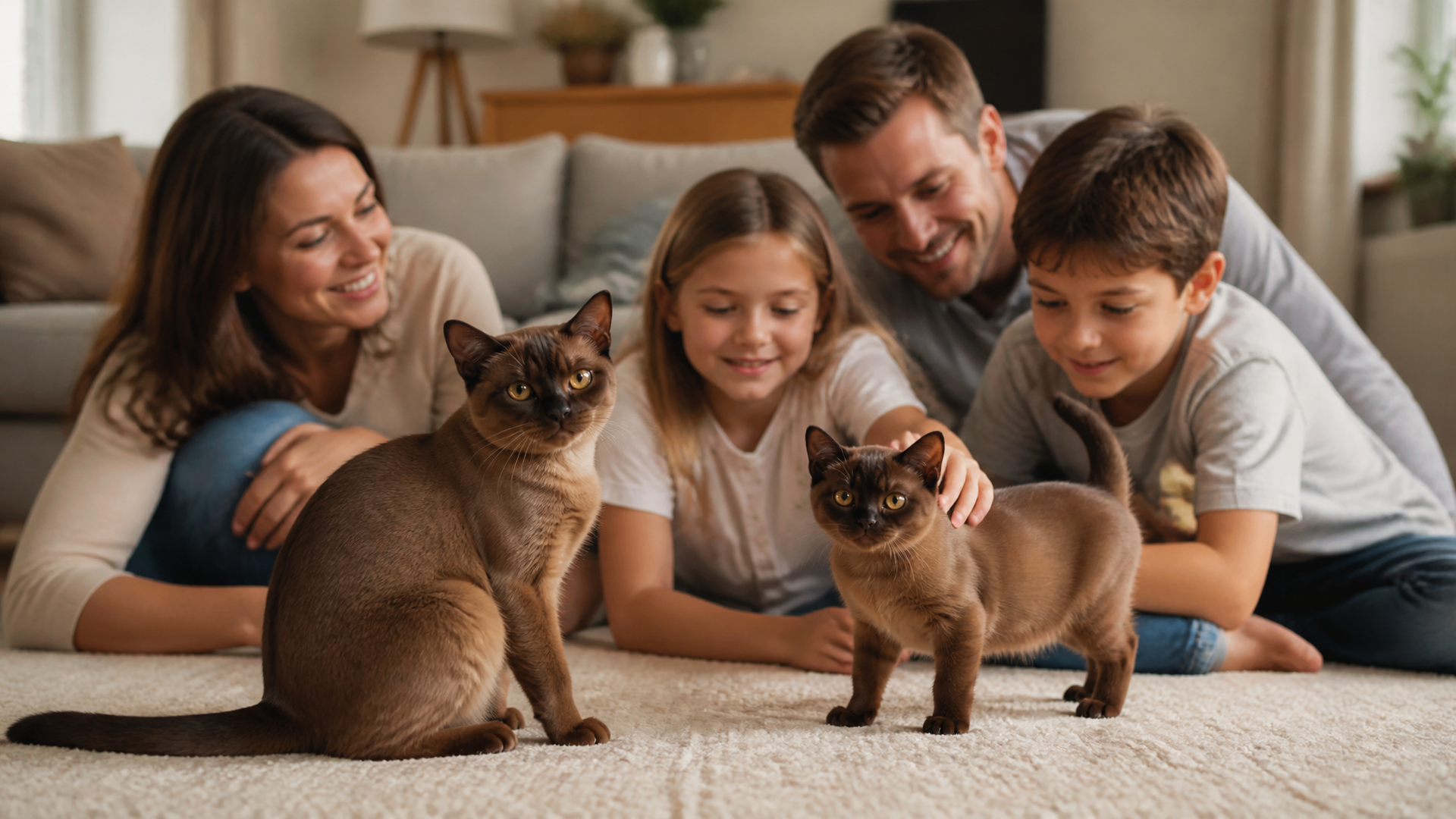
Yes, Burmese cats are one of the most family-friendly breeds you can bring home. They’re affectionate, playful, and form strong bonds with every member of the household. But before you adopt, you need to know how they handle young children, other pets, and the daily chaos of family life. This guide covers everything — with practical steps you can use immediately.

What Makes Burmese Cats Great for Families
Burmese cats are often called “velcro cats” because they stick close to their people. They’re not aloof like some breeds; they want to be part of the action. Here’s why they fit well in most family homes:
- Affectionate without being needy – They love cuddles but also entertain themselves with toys.
- Playful energy – They enjoy interactive games and will keep kids engaged.
- Tolerant of handling – Burmese generally handle being picked up and carried better than many breeds.
- Quiet voice – Their meow is soft, not shrill, so they won’t disturb naptime.
- Good with routine – They adapt to family schedules quickly.
The catch? They need companionship. A Burmese left alone for 10+ hours a day can become anxious or destructive. If your family is out most of the day, consider getting two cats or a different breed.
What this means for your decision: If at least one person works from home or is home most of the day, a Burmese will thrive. If everyone is out 9+ hours daily, you need either a second cat (ideally another Burmese or a similarly social breed) or a less companion-needy breed like a British Shorthair. Without that, your cat may develop separation anxiety — excessive meowing, inappropriate scratching, or litter box issues.
How to Verify Your Household’s Fit
Before adopting, run a simple one-week test: track how many hours per day someone is actually home during the week. If it’s under 10 hours of awake, engaged time (not just sleeping in the house), a Burmese is a risky choice. For homes with other pets, verify by arranging a “scent swap” first — rub a towel on your current dog or cat and leave it in the Burmese’s bedding area at the breeder or shelter. If the cat doesn’t hiss or avoid the towel, that’s a green light.
How Burmese Cats Behave with Kids
Best for families with children ages 6 and older. Younger toddlers can accidentally stress a Burmese, but with supervision it’s manageable.
| Child Age | Burmese Compatibility | What to Watch For |
|---|---|---|
| Under 3 | Moderate – needs close supervision | Tugging tail, loud noises may startle |
| 3–6 | Good with training | Teach gentle handling; cat may hide if overwhelmed |
| 6+ | Excellent | They become playmates and snuggle buddies |
Common mistake: Letting a child chase the cat. Burmese are playful but will retreat if they feel trapped. Teach kids to let the cat approach first.
Actionable step: Set up a “cat safe zone” (a tall cat tree or shelf) where the cat can escape when needed. This prevents stress and accidental scratches.
Real-world trade-off: Even with a cat safe zone, a very loud or chaotic household (multiple toddlers, frequent parties, barking dogs) can overwhelm a Burmese. They do best in homes where kids know how to read cat body language — flattened ears, tail thumping, dilated pupils. If your kids are still learning those cues, keep early interactions short (5–10 minutes) and always supervised.
Can Burmese Cats Live with Other Pets
Yes, but with planning. Burmese are social and often enjoy the company of other cats or even cat-friendly dogs. However, they can be territorial about their humans.
Other Cats
Burmese get along best with another Burmese or a similarly social breed (like a Ragdoll). They usually accept new cats after a proper slow introduction (see step sequence below).
Mismatch to avoid: Pairing a Burmese with a shy, reclusive cat (like a Russian Blue) often backfires. The Burmese will want to play; the other cat will feel harassed. Better to match activity levels.
Dogs
Good with calm, well-trained dogs. High-energy or prey-driven dogs may stress them. Best to raise together from kittenhood. If adding a cat to a home with a dog, use a gradual introduction.
What can go wrong: Even a friendly dog that likes to chase can trigger a Burmese’s flight response. The cat may stop using the litter box if it feels trapped near it. Always keep a dog on a leash during first week of introductions, and provide the cat with escape routes (climbing shelves, cat trees) that the dog cannot access.
Small Animals
Not recommended. Burmese have a strong prey drive and may see small pets as toys. If you already have a small animal, keep it in a separate, cat-proofed room with a closed door and no shared ventilation.
Expert tip: When bringing a Burmese into a multi-pet household, use the “room swap” method for the first week. Keep the new cat in a separate room, then swap bedding so they get used to each other’s scent. Move to supervised meetups only after that.
Step-by-Step Guide to Introducing a Burmese to Your Family
Use these steps to ensure a smooth transition, whether you’re bringing home a kitten or an adult cat.
Before Arrival
1. Set up a safe room – A small room with litter box, food, water, bed, and hiding spots.
2. Gather supplies – Cat tree, scratching posts, interactive toys, puzzle feeders.
3. Plan a quiet first day – No parties, no loud visitors.
First Week
- Let the cat explore its safe room for 2–3 days.
- Spend 15–20 minutes, 3 times a day, sitting quietly in the room (read a book, talk softly).
- After day 3, open the door and let the cat explore one room at a time, supervised.
Introducing Kids
- Have each child sit on the floor with a treat and let the cat approach them.
- No grabbing or chasing. Reward the cat with treats for calm interactions.
- Increase play sessions gradually (wand toys are great).
Introducing Other Pets
- Day 1–3: Keep pets completely separate; swap scents via bedding.
- Day 4–7: Short, supervised meetings through a baby gate or crack in the door.
- After day 7: Full supervised meetings with treats and praise.
Success check: The cat eats, uses the litter box, and seeks out family members within the first week. If the cat hides for more than 5 days, slow down and consult a vet or behaviorist. Escalation signal: If the cat stops eating for more than 24 hours or shows aggression (hissing, swatting) after day 10, stop introductions and call a certified feline behaviorist.
Expert Tips for Raising a Burmese in a Family Home
Tip 1: Provide Vertical Territory
Actionable step: Install wall shelves or buy a tall cat tree (at least 5 feet). Burmese love to perch and watch from above.
Common mistake: Only providing floor-level furniture. Cats need high spaces to feel secure, especially in busy homes. A Burmese stuck at ground level in a loud household may develop stress-induced overgrooming.
Tip 2: Use Food Puzzle Toys
Actionable step: Offer puzzle feeders for meals. This keeps their active mind engaged.
Common mistake: Free-feeding dry food. Burmese can become overweight and bored. Structured meal times with puzzles prevent obesity and destructive behavior like chewing cords.
Tip 3: Supervise Play with Very Young Children
Actionable step: Always stay within arm’s reach when a toddler interacts with the cat.
Common mistake: Assuming the cat will “just walk away.” A toddler may not read cat body language (flattened ears, swishing tail) and could get hurt. Redirect the child with a toy. If you cannot supervise constantly, use a baby gate to keep the cat in a child-free zone during active play.
Health and Grooming: Quick Family Checklist
Burmese are generally healthy, but they need routine care. Share this checklist with your family.
Daily
- [ ] Fresh water available
- [ ] Meal at set times (adults: 2 meals/day)
- [ ] 15 minutes of interactive play
- [ ] Check for any signs of illness (sneezing, lethargy)
Weekly
- [ ] Brush coat with a soft bristle brush (Burmese have short, fine fur that sheds moderately)
- [ ] Trim nails if needed (every 2–3 weeks)
- [ ] Clean ears with vet-approved solution
Monthly
- [ ] Check for flea/tick prevention
- [ ] Weigh cat to monitor for weight gain
Product recommendation: Use a simple rubber grooming glove for daily brushing (it catches loose fur and feels like petting). Avoid wire slicker brushes — they can irritate a Burmese’s thin coat.
Decision Criterion: Is a Burmese Right for Your Family
The answer depends on how much time you spend at home. If at least one person is home most of the day, a Burmese will thrive. If everyone is out 9+ hours daily, a less social breed (like a British Shorthair) may be better, or consider adopting two Burmese kittens so they keep each other company.
- Home most of the day? → Burmese is a top choice.
- Out all day but have a calm dog? → Possibly, but ensure the cat gets attention in the evenings.
- Out all day with no other pets? → Not recommended.
Practical implication for your next step: Spend the next week tracking how many hours someone is actually in the house and awake. If the answer is 10+ hours, start looking for reputable breeders or rescue organizations that specifically work with Burmese. If it’s under 10 hours, your best move is to either adopt two cats at once or choose a different breed. This single decision will determine whether your Burmese cat is a happy family member or a stressed-out problem.
Save This Guide
Burmese cats can be wonderful family pets if your household has time for them. They’re affectionate, playful, and bond deeply with kids and adults alike. Focus on supervised introductions, provide vertical escapes, and never leave them alone for long stretches. If that fits your lifestyle, a Burmese will be a loving companion for 12–16 years.
Disclosure: Some product links in this guide may earn us a small commission at no extra cost to you. We only recommend items we trust for our own pets.
FAQ: Burmese Cats and Families
Q: Do Burmese cats get along with dogs?
A: Yes, if the dog is calm and cat-friendly. Proper slow introduction is essential. Never leave a high-energy dog alone with a Burmese until you’re certain they’re safe together.
Q: How much grooming do Burmese cats need?
A: Minimal. Brush once a week with a soft rubber brush to reduce shedding. They bathe themselves well, so baths are rarely needed.
Q: Are Burmese cats good with babies?
A: They can be, but supervision is key. Keep the cat away from the baby’s crib for safety, and allow the cat to approach on its own terms once the baby is older. Never leave a sleeping infant alone with any cat.
Q: Do Burmese cats require special food?
A: High-quality dry or wet cat food with animal protein as the first ingredient. Consult your vet for portion sizes — Burmese tend to gain weight easily. Avoid foods with corn or wheat as the first ingredient.